West Virginia is getting $240,577 in federal disaster aid to remove asbestos from public buildings damaged in a recent disaster, a reminder that in a state full of aging mid-century construction, storms don't just break things — they unleash hazards that have to be neutralized before any rebuilding can start.
The FEMA Public Assistance grant, tied to presidentially declared disaster 4884-DR-WV, covers asbestos abatement at damaged public facilities. Under federal law, contractors cannot touch, repair, or demolish structures containing asbestos-laden materials until licensed professionals have safely removed them — making abatement a mandatory first step, not an optional add-on.
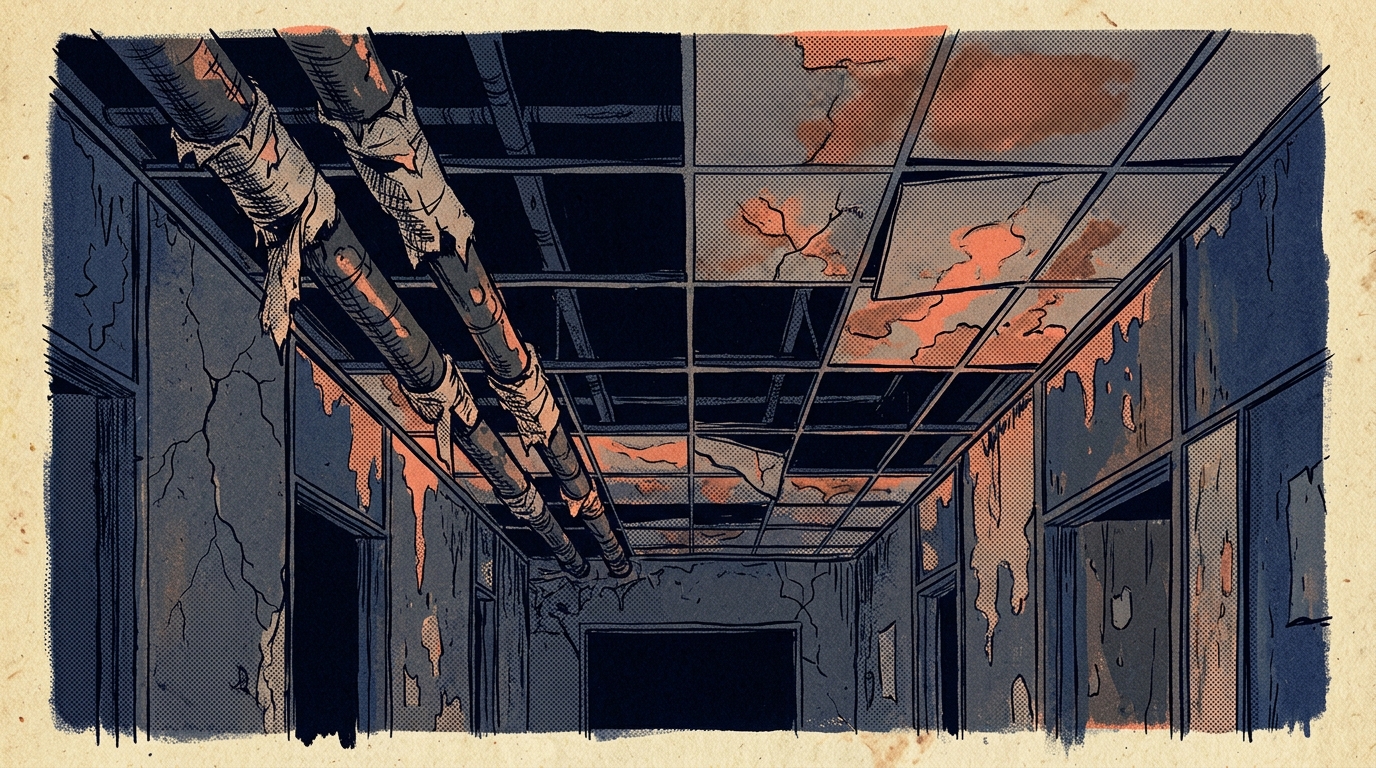
The requirement hits West Virginia especially hard. Many of the state's courthouses, schools, and community centers were built during the mid-20th century coal boom, when asbestos was standard in insulation, floor tiles, roofing, and pipe wrapping. When a storm tears open those buildings, the clock starts on a legally required cleanup that can delay repairs for weeks and add significant cost before a single board gets replaced.
West Virginia is among the most disaster-prone states in Appalachia. Its steep terrain and narrow river valleys funnel floodwaters with destructive speed, and it has been the subject of repeated presidential disaster declarations over the decades. The 2016 floods alone killed 23 people and caused over $1 billion in damage. That vulnerability is compounded by a shrinking, lower-income population and a tax base hollowed out by coal's decline, leaving local governments with little cushion to absorb either disaster costs or mandatory environmental remediation.
Under FEMA's standard cost-share rules, the federal government covers 75 percent of eligible expenses, meaning the state and affected localities are responsible for roughly $80,000 of the total abatement bill.
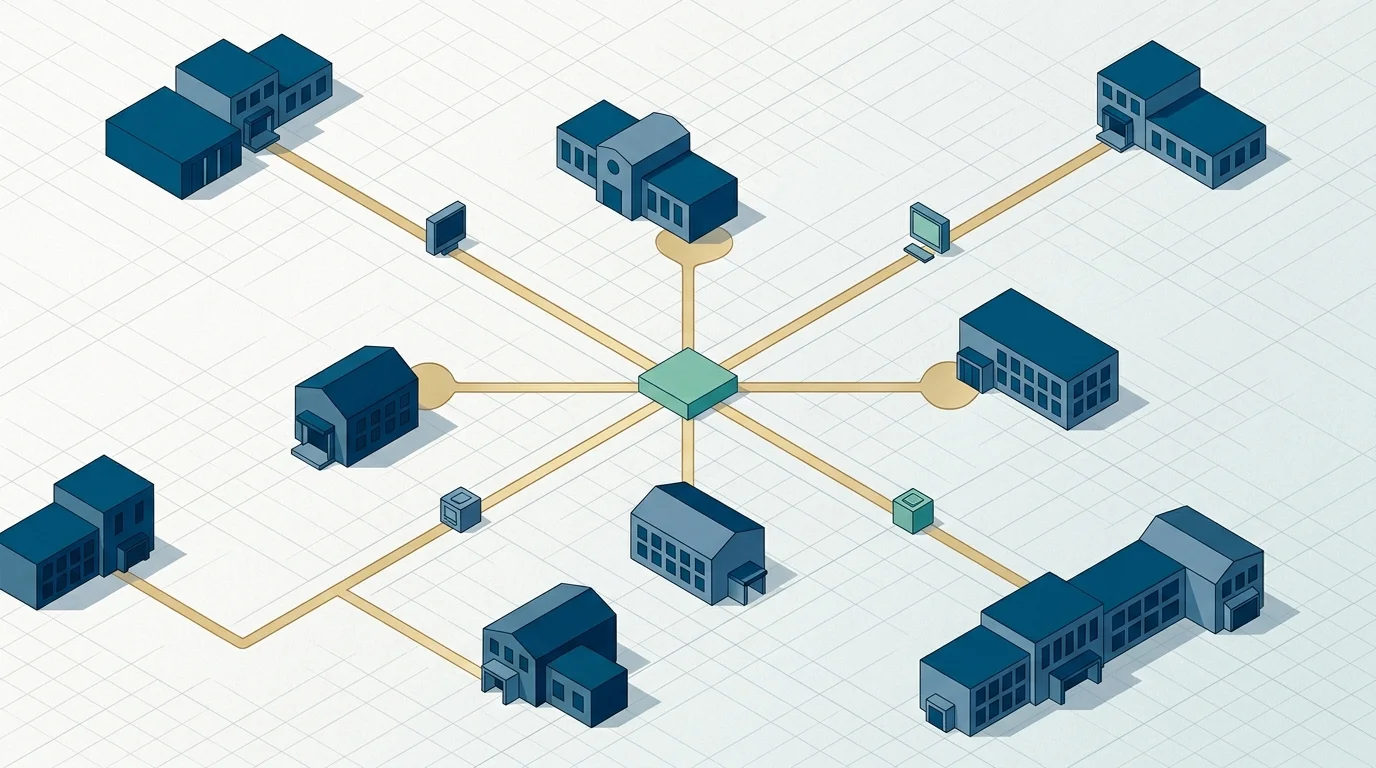
The state serves as the pass-through for these funds to the local governments and public entities whose facilities need the work. How many buildings are affected and which communities they're in has not been specified in the grant record.