Federal transit grants to the District of Columbia hit $200.4 million in the last 90 days, an 1,814 percent increase over the $10.5 million received in the same window last year. Nearly all of it landed in March 2026, when the Federal Transit Administration released $14.6 billion in formula apportionments nationwide under the Infrastructure Investment and Jobs Act.
The Washington Metropolitan Area Transit Authority captured $195.9 million across three grants: $174.4 million for bus garage replacements, electric vehicle infrastructure, and safety systems; $12.3 million for the Bladensburg Bus Garage reconstruction; and $9.2 million for training facilities. All three grants started in late March and run through 2028 to 2031. The timing is no accident. The money arrived just as WMATA enters the final stretch of a bus garage modernization program that began before the pandemic and is now converting the system's oldest facilities into zero-emission hubs.
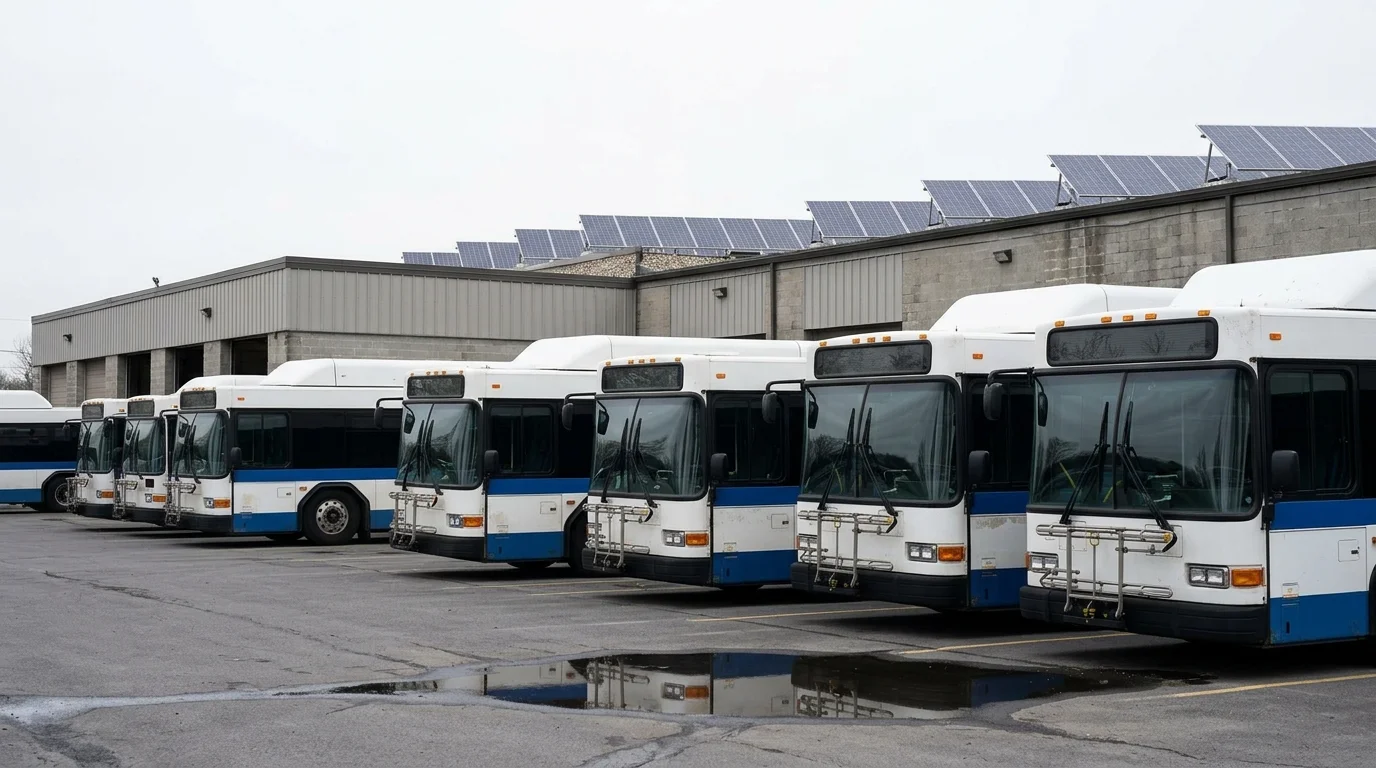
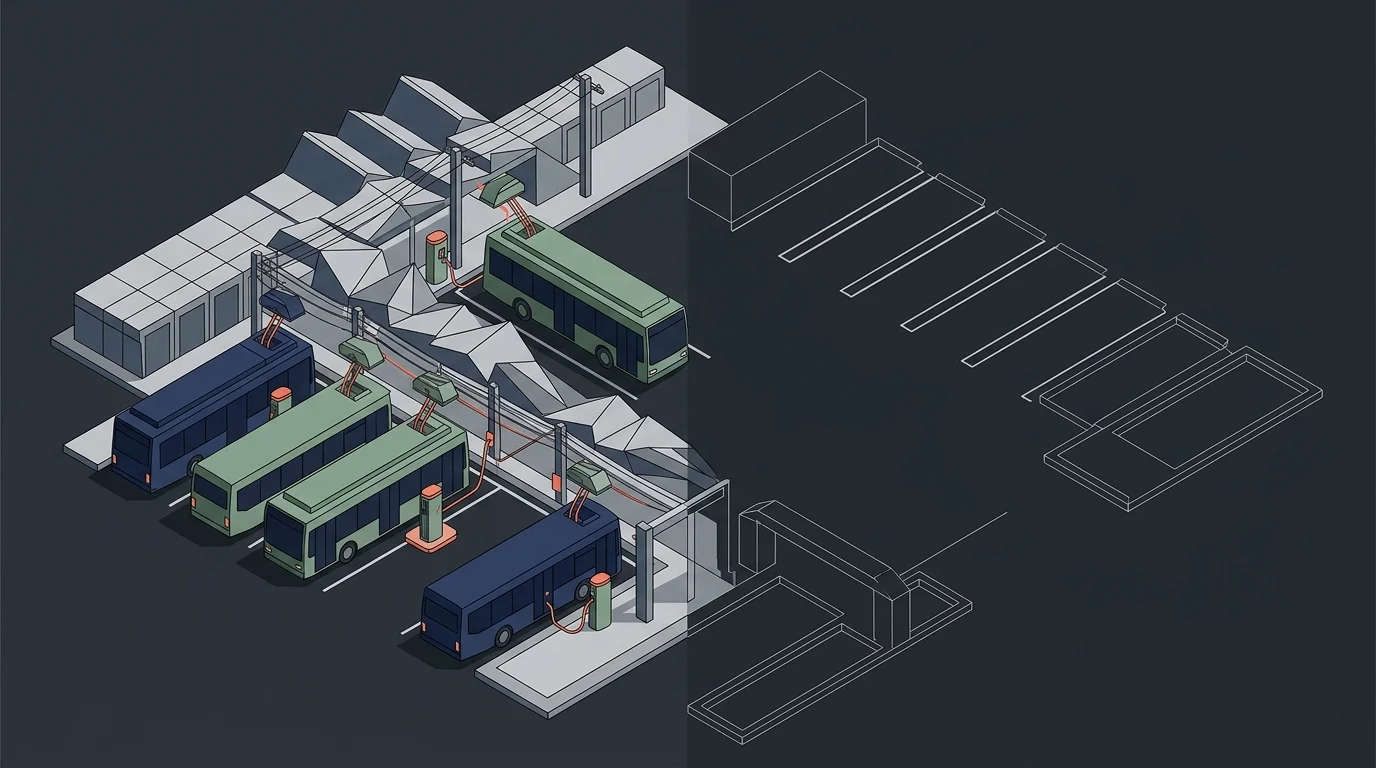
The Bladensburg Bus Garage, first built in 1962, completed Phase 1 in July 2025 and is scheduled to open fully by spring 2027 with space for 300 buses, half of them zero-emission at launch. Northern Bus Garage, shuttered since 2019, will reopen as Metro's first all-electric facility. The federal formula dollars are funding the infrastructure to charge and maintain those buses: charging stations, electrical upgrades, and the specialized equipment needed to service battery-electric vehicles at scale.

Source: NationGraph.
The spike reflects the federal appropriations calendar more than a sudden policy shift. Congress passed the Full-Year Consolidated Appropriations Act, 2026 in early February, releasing formula funding that FTA announced on March 31. WMATA's $174 million Federal Transit Formula grant and $12.3 million Buses and Bus Facilities grant both started days before that announcement, meaning the agency had already lined up the projects and was waiting for the money to clear.
WMATA's six-year capital improvement program totals $12.5 billion, with federal funds comprising 32 percent of the total. The rest comes from the three jurisdictions that own the system: DC, Maryland, and Virginia, which committed to a $500 million annual capital funding stream under a 2018 compact. But the capital story is running ahead of the operating story. WMATA exhausted its COVID-19 federal relief funding in fiscal 2025 and returned to a traditional funding model that depends on jurisdictional subsidies for 77 percent of operating revenue. DC's budget showdown in early 2025 threatened $217 million in emergency Metro funding, underscoring the fragility of the operating model even as capital projects accelerate.
The mismatch is structural. Federal transit funding splits cleanly between capital and operations, and capital dollars are far easier to secure. Formula apportionments flow predictably each year based on ridership, route miles, and population. Operating subsidies, by contrast, depend on annual negotiations among three state legislatures and a city council, all facing their own budget pressures. WMATA ridership increased 21 percent in fiscal 2024, but the system serves a federal workforce now subject to both return-to-office directives and workforce reduction efforts, creating ridership volatility that makes long-term operating planning difficult.
The electric bus buildout itself is a bet on a future operating model that does not yet exist. Zero-emission buses cost more upfront but promise lower fuel and maintenance costs over their lifespan. The federal government is covering the infrastructure, but the jurisdictions will be responsible for maintaining it. The Bladensburg garage will house 150 electric buses when it opens, and WMATA expects to scale that number as the Northern garage comes online and other facilities convert. The agency has not yet published a full lifecycle cost analysis comparing diesel and electric fleets across the system.
What happens next depends on whether the operating budget can keep pace with the capital investments. The next signal to watch is the fiscal 2027 budget cycle, which begins this summer. WMATA will need to show the jurisdictions that ridership is stabilizing and that the electric fleet is delivering the promised operating savings. If it cannot, the mismatch between capital ambition and operating reality will only widen.