Damascus, Maryland has spent decades on paper as a community waiting for a center. The unincorporated settlement in upper Montgomery County has a master plan, a vision for walkable mixed-use development, and about 15,000 residents who currently lack a true town core. What it has not had is sewer infrastructure capable of supporting denser development. That is now changing.
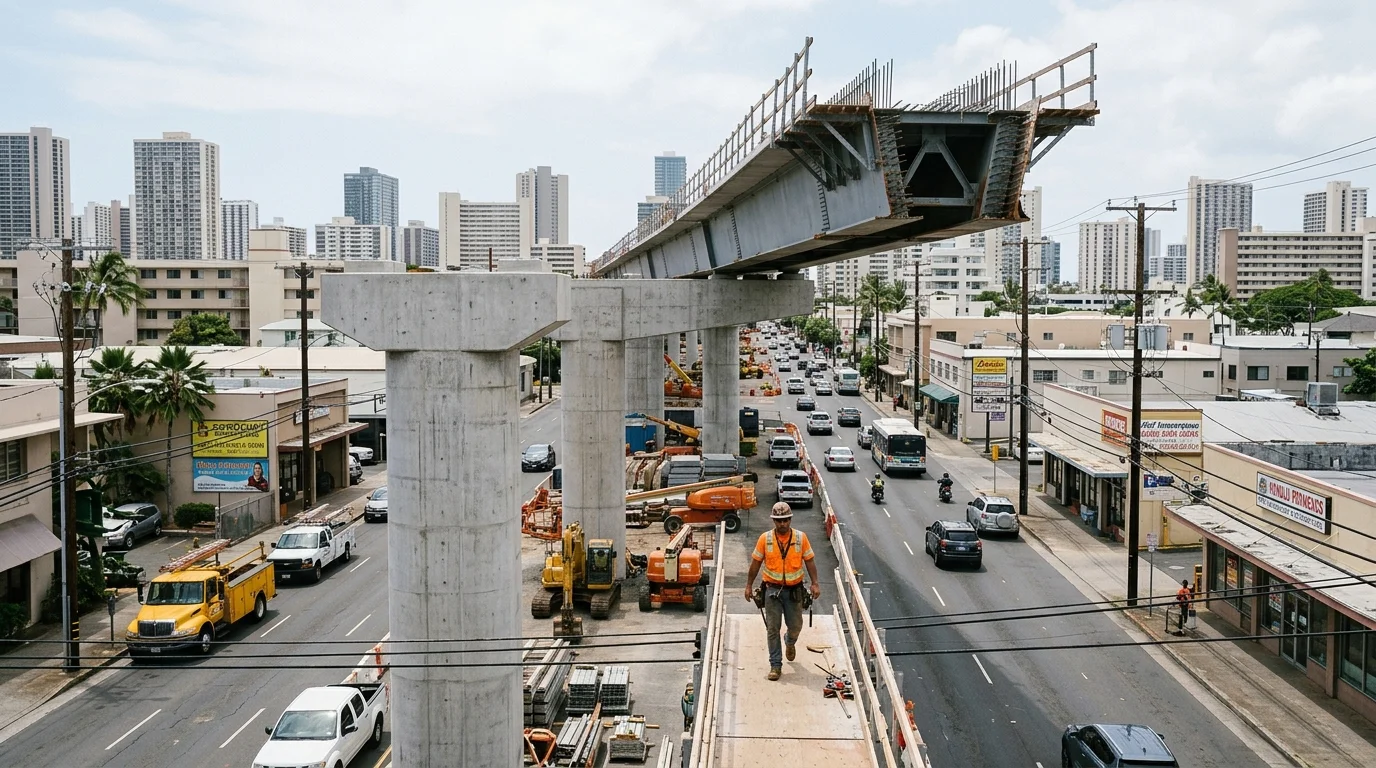
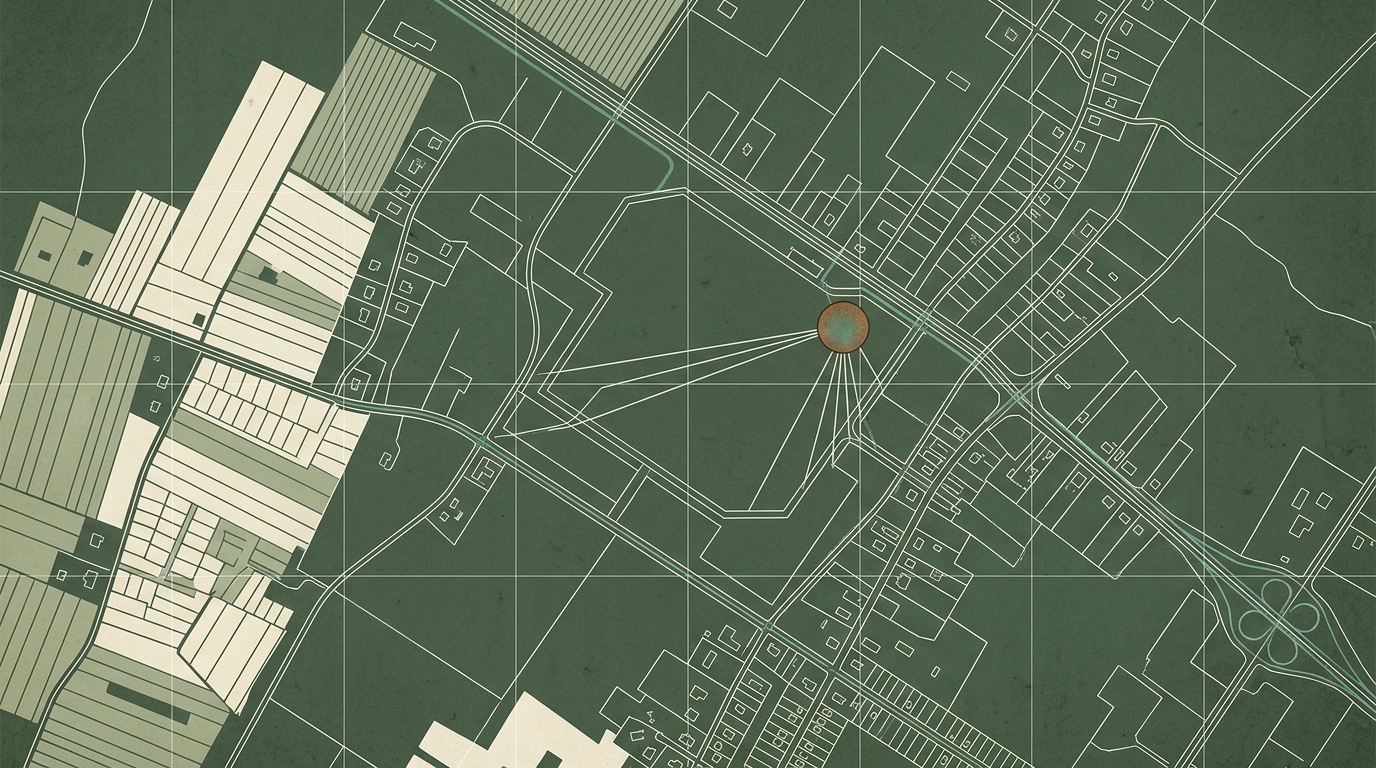
WSSC Water, the bi-county utility serving roughly 1.8 million customers across Montgomery and Prince George's counties, is moving to build a new wastewater pumping station specifically to serve the Damascus Town Center development area. The utility posted a contractor solicitation in late April 2026, a signal that years of planning, environmental review, and capital budgeting have finally cleared enough hurdles to break ground.
Much of Damascus today relies on septic systems rather than public sewer connections, a practical ceiling on how much housing or commercial space can be built. A pumping station to move sewage to treatment facilities is the kind of unglamorous enabling infrastructure that determines whether a planning document becomes a neighborhood or stays a vision.
The timing matters. Montgomery County is under intense pressure to add housing as the Washington region's affordability crisis deepens. The county's Thrive Montgomery 2050 general plan, adopted in 2022, pushed for concentrating new development in existing communities rather than expanding outward into farmland. Damascus Town Center fits squarely in that framework, adding density to an existing node instead of chewing up the county's protected Agricultural Reserve to the north.
Damascus has not always welcomed that logic. The area's residents have historically been protective of its rural character, and proposals to extend sewer service or increase development density have generated pushback over the years. Montgomery County's land use debates frequently pit the urban-suburban growth corridor anchored by Bethesda and Silver Spring against communities like Damascus that identify more with the county's rural northern tier.
WSSC Water operates as an independent commission, not directly under either county council, and its capital investment decisions carry real weight in shaping where growth in the region is even possible. Extending sewer capacity to Damascus reflects a policy judgment, embedded in infrastructure dollars, that some additional development there is appropriate.
Whether the town center that follows actually takes shape will depend on developers, county zoning decisions, and continued community input once the pumping station is built. The infrastructure coming now is necessary, but not sufficient.