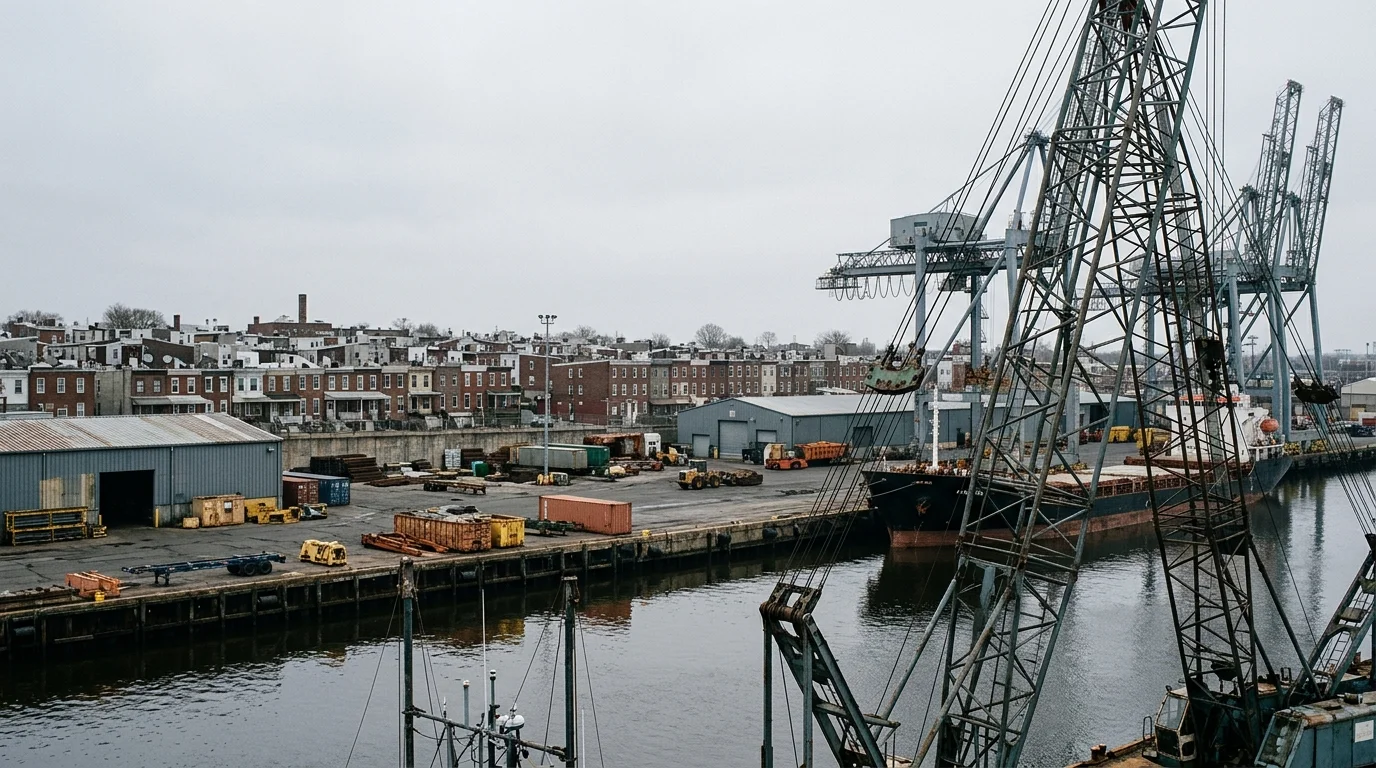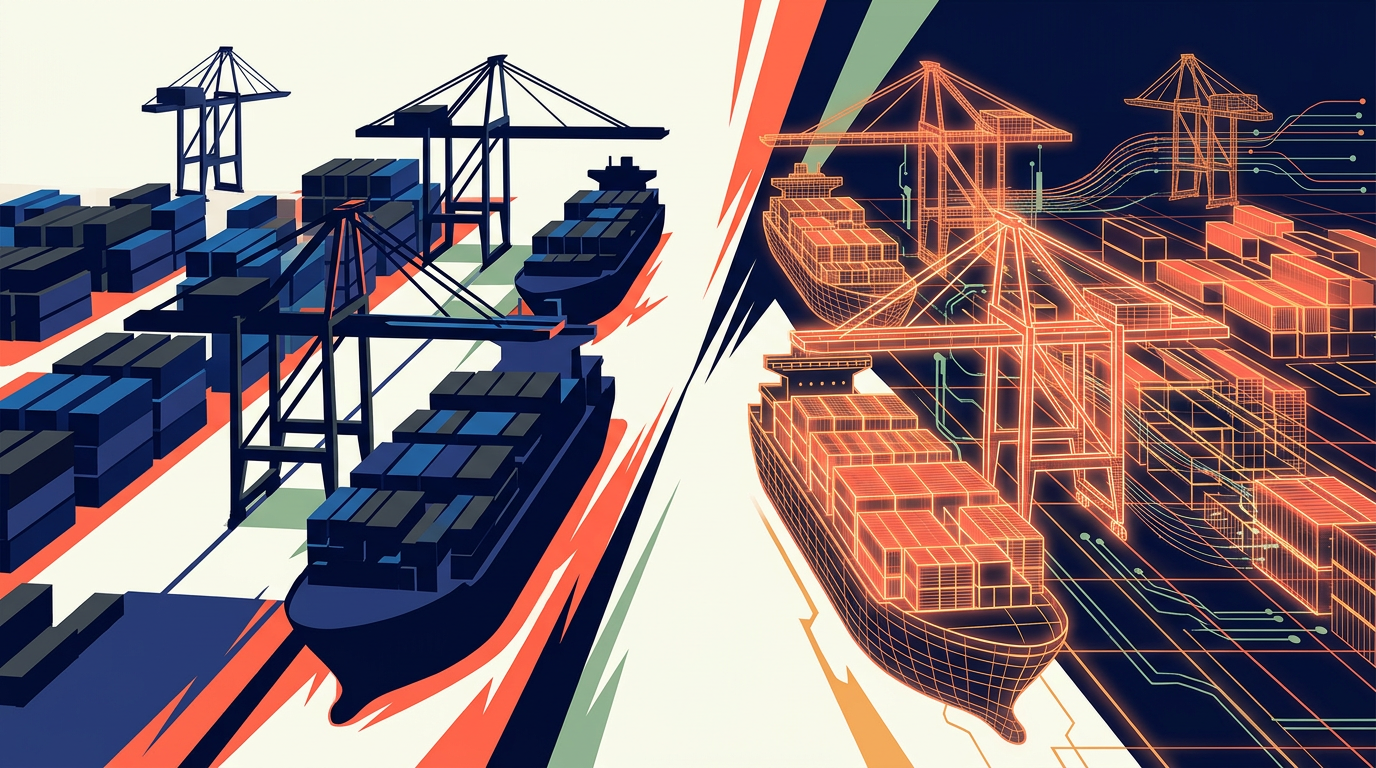
The Port of Los Angeles is seeking contractors to build a complete virtual replica of its operations, a digital twin that will track every ship, container, crane, and truck moving through the facility in real time.
The technology comes five years after the 2021 supply chain meltdown that left more than 100 cargo ships anchored offshore waiting to unload, exposing how the port's analog systems couldn't handle surge volumes. The Port of Los Angeles handles roughly 40 percent of container imports entering the United States, making bottlenecks here national economic events.
A digital twin creates a living virtual model of physical infrastructure using sensors and real-time data feeds. The system can predict where congestion will happen before trucks arrive or identify which warehouse has space before a container leaves a ship. Rotterdam built the first major port digital twin in 2018. Singapore followed in 2019. Los Angeles is now catching up in a global competition where ports win or lose business based on turnaround speed measured in hours.
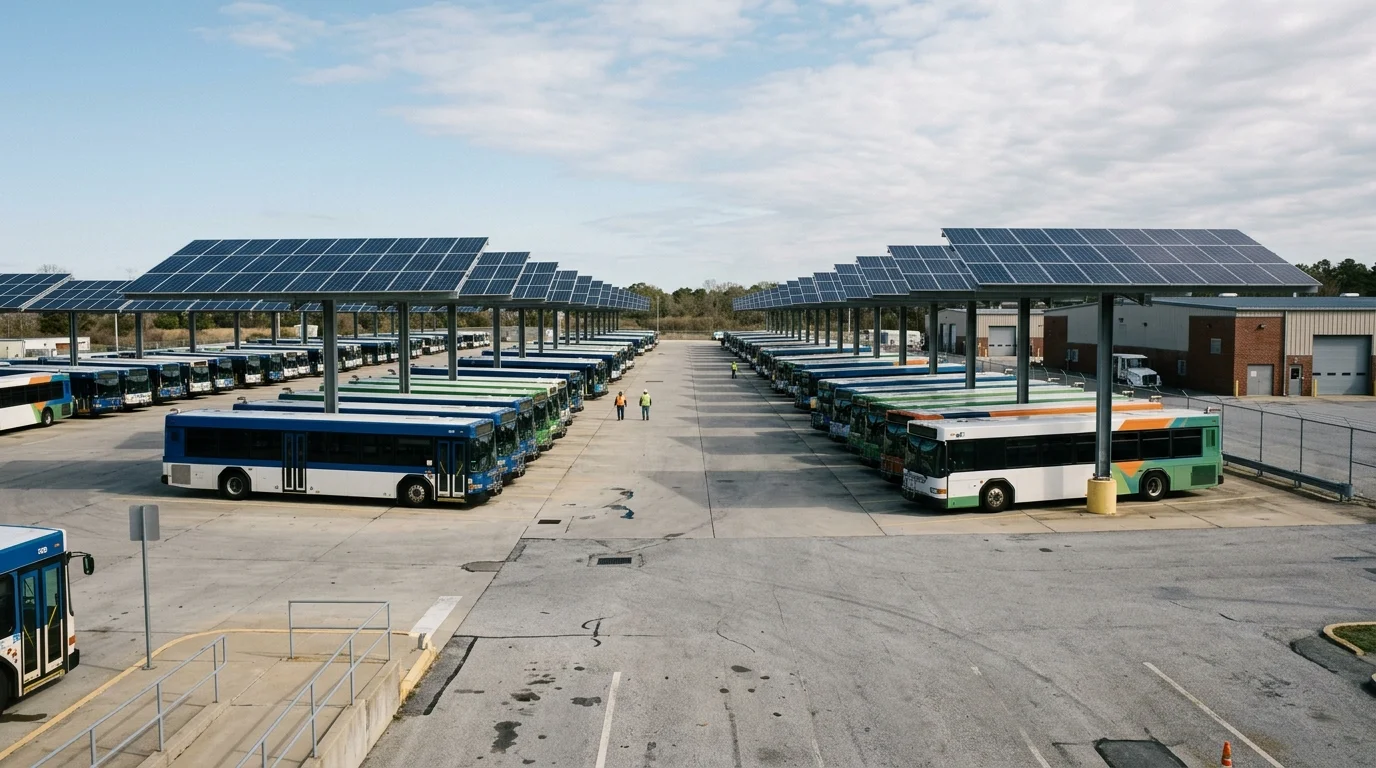
The project connects to broader pressure the port faces: California requires all cargo handling equipment to run on zero emissions by 2030, a multibillion-dollar transition to electric cranes and hydrogen trucks that digital optimization could make more efficient. Meanwhile, East Coast ports gained market share during the West Coast crisis and haven't given it back.
The port will select a contractor this year. The timeline for deployment wasn't disclosed, but similar projects at other ports took 18 to 24 months to build and required years of refinement. Whether Los Angeles can move fast enough to close the technology gap with competitors remains the central question.