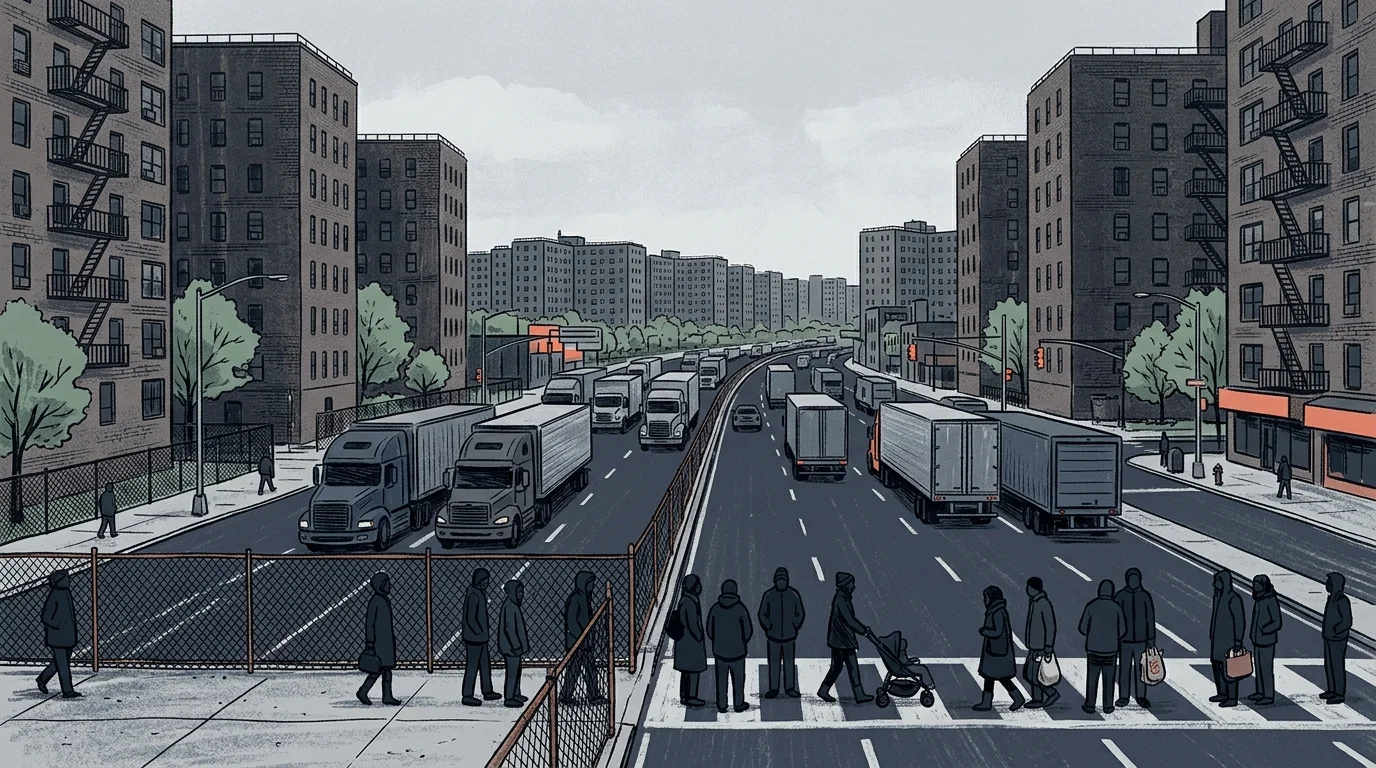
Southern Boulevard has long been one of the most dangerous streets in the Bronx: a wide, fast-moving arterial that slices through dense residential neighborhoods, carrying heavy truck traffic and offering little protection to the people who walk and bike it every day. Now the city is moving to redesign it.
New York City is seeking contractors to carry out bicycle and pedestrian safety improvements along the corridor, a project that advocates and community boards in the area have pushed for over many years. The boulevard runs through Hunts Point, Longwood, Morrisania, and West Farms, neighborhoods where car ownership is low and residents rely on walking, cycling, and transit to get around.
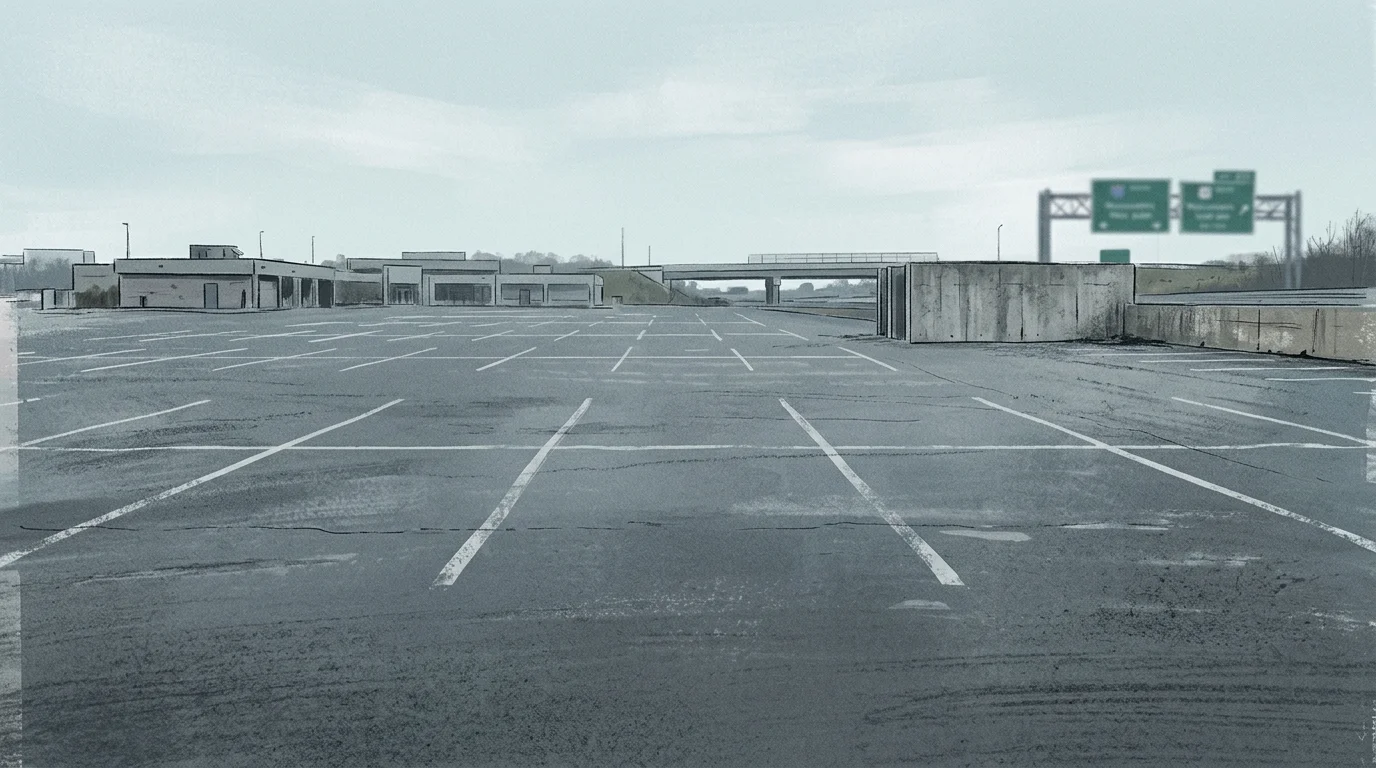
The road's design is a legacy of mid-20th-century planning that prioritized moving cars over neighborhood livability. Its width and speed make it especially dangerous for pedestrians and cyclists, and its proximity to the Hunts Point food distribution hub means heavy truck traffic is a constant presence. The Bronx as a whole has consistently posted some of the highest pedestrian fatality rates per capita in the city, and wide arterials like Southern Boulevard are a major reason why.
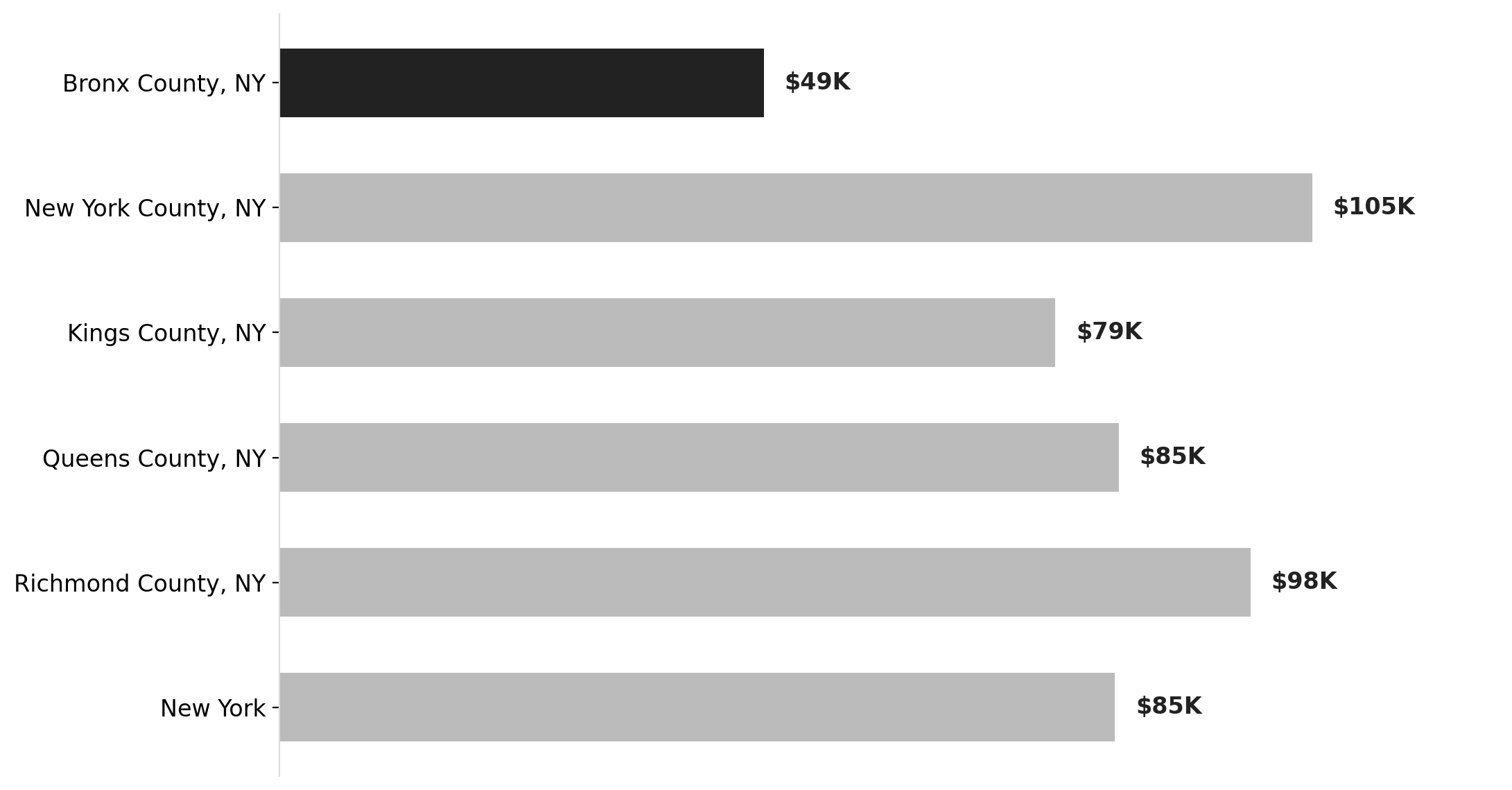
Source: U.S. Census Bureau, American Community Survey.
The project fits into NYC's decade-old Vision Zero initiative, which committed the city to eliminating traffic deaths by treating them as preventable failures of street design rather than unavoidable accidents. Early progress under Vision Zero stalled as pedestrian and cyclist fatalities climbed again in the years after 2019, keeping pressure on the city to accelerate redesigns. The Bronx, which has the least developed cycling infrastructure of any borough, has been one of the areas where that pressure has been loudest.
For the communities along Southern Boulevard, the stakes go beyond safety statistics. The South Bronx carries some of the highest asthma rates in the country, driven in part by truck traffic and highway exhaust. Street redesigns that calm traffic are increasingly understood as public health interventions as much as transportation ones. Residents here are also disproportionately low-income and people of color who have historically received less investment in street infrastructure than wealthier parts of the city.
The timeline for construction has not been publicly detailed, and the full scope of changes planned for the corridor will become clearer as the project moves through design and community review.