San Rafael, California is offering up a city-owned parcel near its Highway 101 corridor for affordable housing development, a concrete step in a community where the median home price tops $1.3 million and housing production has lagged for decades.
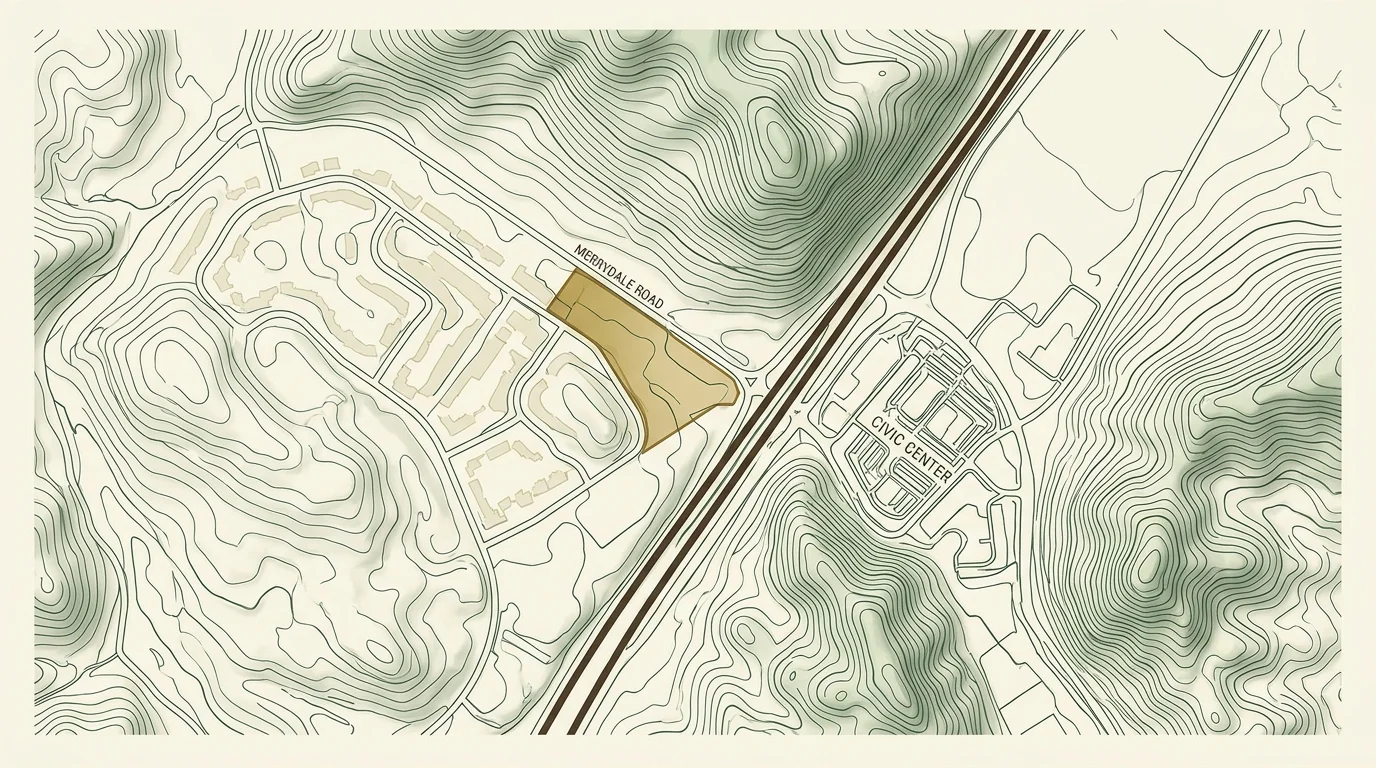
The site, at 350 Merrydale Road near the Civic Center, sits in an area San Rafael has already identified for growth in its General Plan 2040. By putting public land into play, the city removes what is typically the biggest financial barrier for affordable developers: the cost of acquiring property in one of the country's most expensive real estate markets. The city is soliciting proposals from developers through a competitive process, with responses due May 1, 2026.
The backdrop is a housing shortage that has been building for generations. Marin County, the wealthy enclave just north of San Francisco, added almost no new housing stock for decades while Bay Area incomes and land values soared. A federal fair housing investigation as far back as the 1970s and 80s flagged the county for patterns of racial and economic segregation tied to exclusionary zoning. Today, Marin's median household income exceeds $130,000, but service workers, educators, and lower-income residents face extreme housing cost burdens, many commuting long distances because they cannot afford to live where they work.
San Rafael itself is more diverse than the broader county. About 30 percent of the city's roughly 62,000 residents are Latino, concentrated largely in the Canal neighborhood, where overcrowding and housing insecurity are well-documented.
Sacramento has increasingly run out of patience with suburban counties like Marin. Under the state's current Regional Housing Needs Allocation cycle, San Rafael is required to plan for approximately 3,220 new units between 2023 and 2031, a sharp jump from prior mandates. Cities that fail to comply risk losing local zoning control under the Housing Accountability Act, a penalty that has pushed even historically resistant communities to act. California also now requires local governments to prioritize affordable housing when selling or leasing surplus public property.
San Rafael's city council has been more willing than some of its Marin neighbors to embrace housing production, and this project fits that pattern. How much affordable housing the site can yield, and at what income levels, will depend on which developer proposals come in by the May deadline.