Hawaii is receiving nearly $53 million in federal funding to rebuild the rural healthcare system across its islands, where patients who need emergency care or a mental health provider sometimes have no option but an inter-island flight to reach one.
The Rural Health Transformation Program grant, administered through the Centers for Medicare & Medicaid Services, will fund six interconnected initiatives under the state's Rural Health Transformation Plan. A significant portion flows directly to the Hawaii Department of Health for a program called RICA, Rural Infrastructure for Care Access, targeting three of the most urgent gaps: emergency medical services, community-based care, and behavioral health.
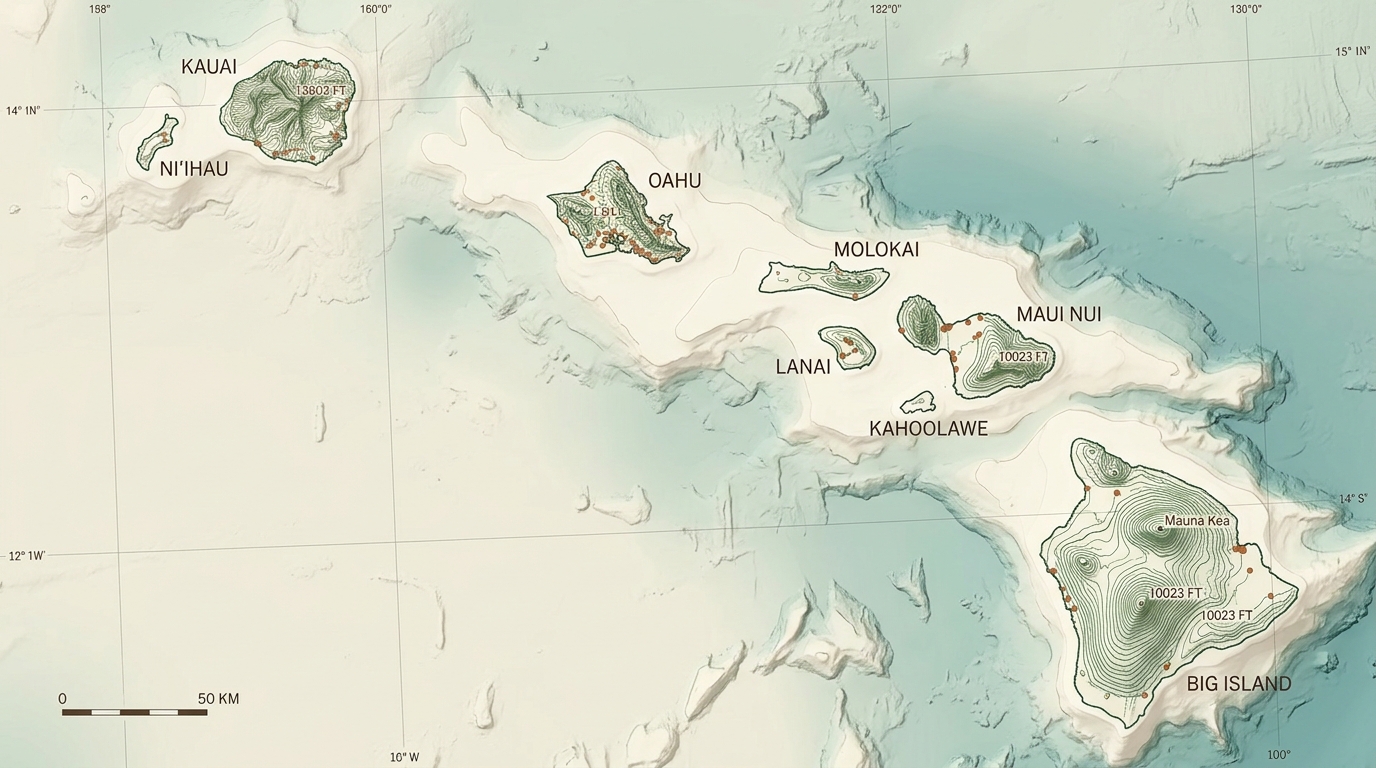
The challenge Hawaii faces is unlike anything on the mainland. Rural communities on Molokai (population roughly 7,000), Lanai (about 3,000), and remote stretches of the Big Island, Maui, and Kauai often have one or no primary care providers. EMS teams in many of these areas are volunteer-run and cover difficult terrain with limited backup. When bad weather grounds inter-island flights, a medical emergency can become a crisis with no good options.
The behavioral health picture is equally stark. Hawaii has long faced a shortage of mental health professionals, particularly outside Honolulu, while rural Native Hawaiian and Pacific Islander communities, who make up roughly a quarter of the state's population, experience higher rates of chronic disease, mental illness, and shorter life expectancy than the state average. The pandemic deepened demand while supply barely moved.
The 2023 Maui wildfires, which killed more than 100 people and leveled Lahaina, made the stakes impossible to ignore. The disaster exposed how thin the region's emergency infrastructure really was, from communications to medical response, and created political momentum for something more than incremental fixes.
Governor Josh Green, who spent years as an emergency physician in rural Big Island communities before entering politics, has made healthcare access a signature issue of his administration. The federal grant aligns directly with priorities his office has pushed since taking office, including telehealth expansion, rural workforce development, and rebuilding community health infrastructure.
Hawaii's situation carries a particular irony: the state's 1974 Prepaid Health Care Act gives it near-universal employer-based insurance coverage, one of the best rates in the country. But insurance doesn't help when there's no clinic to visit or no ambulance to call. The question this funding is meant to answer is whether the state can build the physical infrastructure to make that coverage mean something in its most isolated communities.
The grant was posted December 29, 2025. Implementation timelines for individual RICA projects have not yet been made public.