A regional juvenile detention center serving Northern Virginia is replacing virtually every component of its security infrastructure, from control room software to door locks to cameras, in what amounts to a generational overhaul of systems that security experts say are likely well past their useful life.
The Northern Virginia Juvenile Detention Center, which holds youth awaiting court proceedings on behalf of multiple jurisdictions including Fairfax County, Arlington County, Loudoun County, Prince William County, and the cities of Alexandria and Falls Church, is seeking contractors to replace its entire integrated security platform. The project covers the control room, electronic door and mechanical locks, two-way intercom communication, camera systems, and integration with the facility's fire control system.
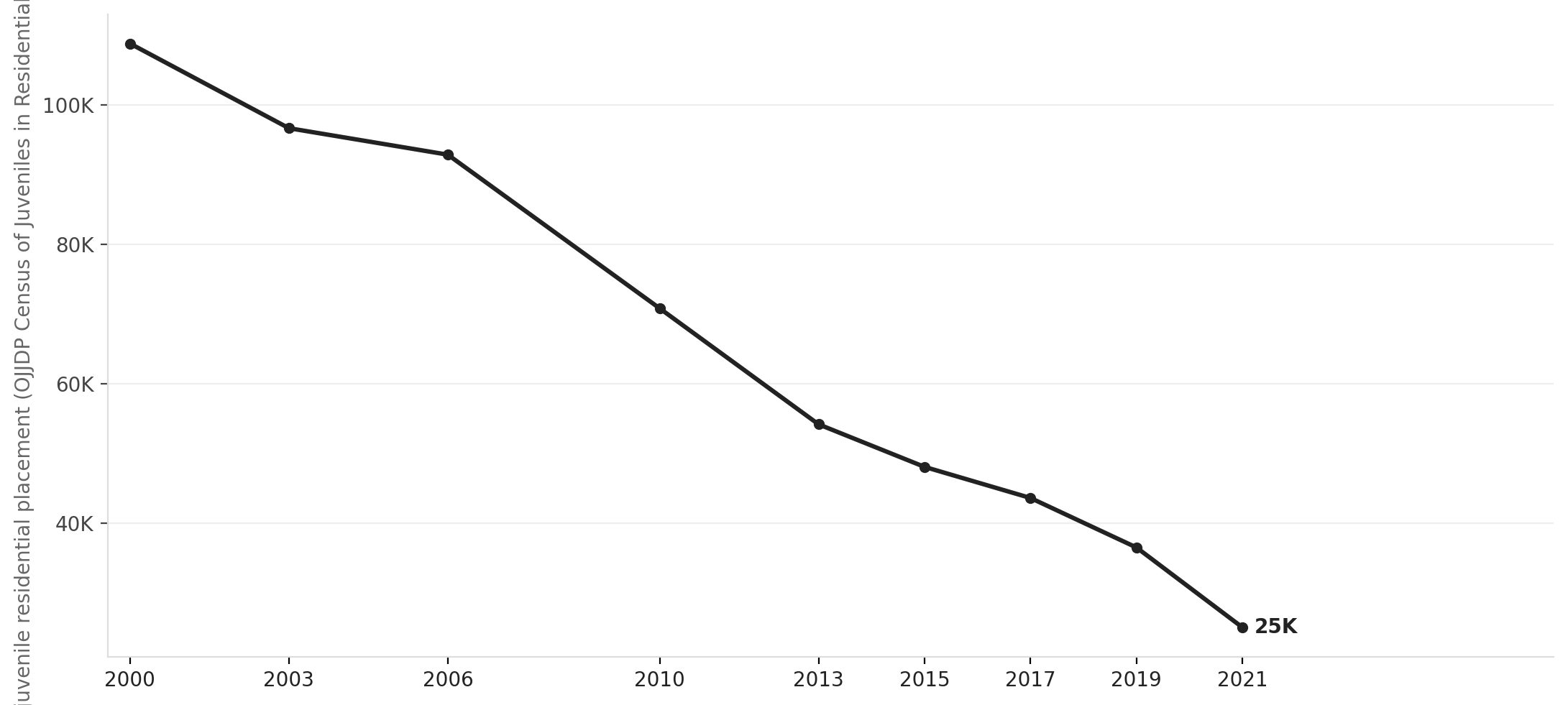
The breadth of the upgrade reflects a reality facing juvenile detention facilities across the country: many were built or last renovated during the 1990s and early 2000s, when juvenile incarceration rates were at historic highs, and their security systems have been running on borrowed time ever since. Analog camera systems, legacy electronic locks, and independent intercom networks installed two decades ago are now obsolete, creating safety risks for detained youth and staff alike.
Source: NationGraph.
Federal oversight has added urgency. The Prison Rape Elimination Act, whose standards for juvenile facilities were finalized in 2012, requires specific camera coverage, elimination of surveillance blind spots, and communication capabilities that older systems often cannot meet. Facilities that fall short risk losing federal funding and face potential legal liability. Department of Justice investigations into juvenile facilities nationwide have repeatedly cited inadequate monitoring infrastructure as a contributing factor in abuse and unsafe conditions.
Virginia's juvenile justice system has been under particular scrutiny. The state closed several large juvenile correctional facilities beginning in the mid-2010s and shifted toward smaller, community-based alternatives, a reform push that has kept conditions of confinement in the spotlight even at locally operated facilities like NVJDC.
The requirement that all new systems integrate with the fire control panel is notable. Older facilities typically ran security, communication, and fire systems as entirely separate networks. Connecting them under a unified platform reflects modern correctional design standards and suggests NVJDC is not simply patching what it has, but rebuilding from the ground up.
The facility is governed by a commission drawn from its participating jurisdictions, a structure that requires multiple localities to agree on capital spending. Despite Northern Virginia's status as one of the wealthiest regions in the country, declining juvenile detention populations have historically made it difficult to build political support for large investments in these facilities. The decision to move forward with a comprehensive overhaul now suggests the existing systems have reached a point where continued operation is no longer a viable option.