Wisconsin is directing $266,890 in federal mental health funding toward what the state calls "transformation activities" — efforts to redesign how behavioral health services are delivered in a state where more than 60 of 72 counties are designated mental health professional shortage areas.
The money flows through the Community Mental Health Services Block Grant, a federal program administered by SAMHSA that has been the primary mechanism for filling gaps in community mental health care since the 1980s. The award, which began October 1, kicks off a new federal fiscal year cycle for Wisconsin's Department of Health Services.
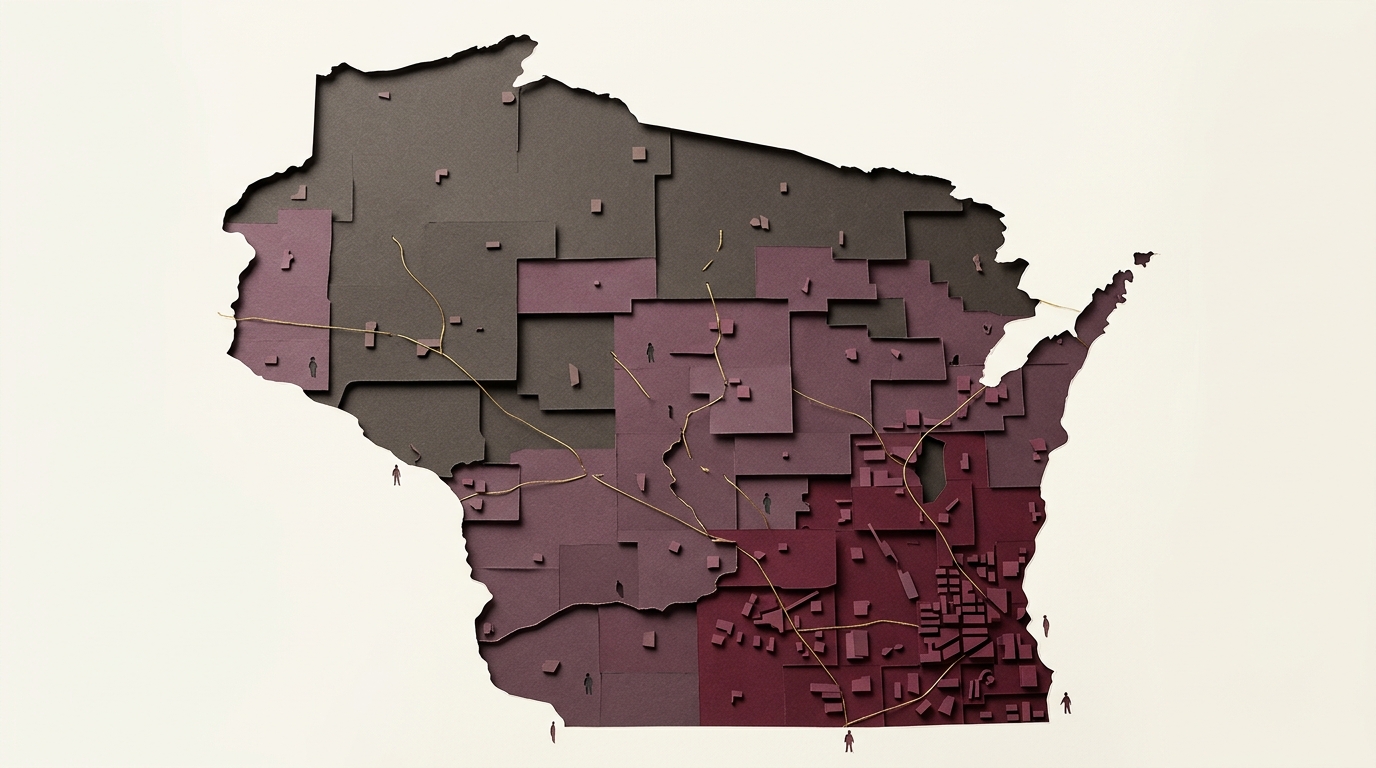
The challenge the funding is meant to address runs deep. Wisconsin operates an unusual county-administered behavioral health system, meaning all 72 counties bear primary responsibility for delivering mental health services. That structure creates sharp disparities: Milwaukee and Dane Counties have relatively robust networks, while many rural counties in the north and west struggle with thin provider rosters, long wait times, and limited crisis response capacity. The state's suicide rate, at 15.4 per 100,000 residents, runs slightly above the national average, with rural counties faring significantly worse.
Demand has climbed sharply in recent years. Adult serious mental illness rates rose from 4.1% to 5.5% of the U.S. population between 2008 and 2021, and the COVID-19 pandemic accelerated that trend. Wisconsin's 988 Suicide and Crisis Lifeline, launched in July 2022, saw call volumes surge — raising questions about whether the broader crisis response infrastructure could keep pace.
The $266,890 award is a small fraction of Wisconsin's total annual block grant allocation, which typically runs between $8 million and $12 million. "Transformation activities" under the block grant program generally focus on restructuring how services are delivered rather than simply funding more of the same care — targeting areas like crisis intervention systems, peer support integration, early intervention, and culturally responsive services for Wisconsin's growing Hmong, Hispanic, and Black populations.
What specific project or county this particular subaward supports is not detailed in the public record, leaving open the question of who exactly benefits. Wisconsin DHS has not publicly specified the recipient or scope of this transformation activity, a gap worth watching as the award period gets underway.
The funding arrives amid broader uncertainty. Federal block grant appropriations have fluctuated significantly in recent years, and potential restructuring of SAMHSA under the current administration could affect future allocations. For Wisconsin counties already stretched thin, those future dollars matter as much as the ones arriving now.