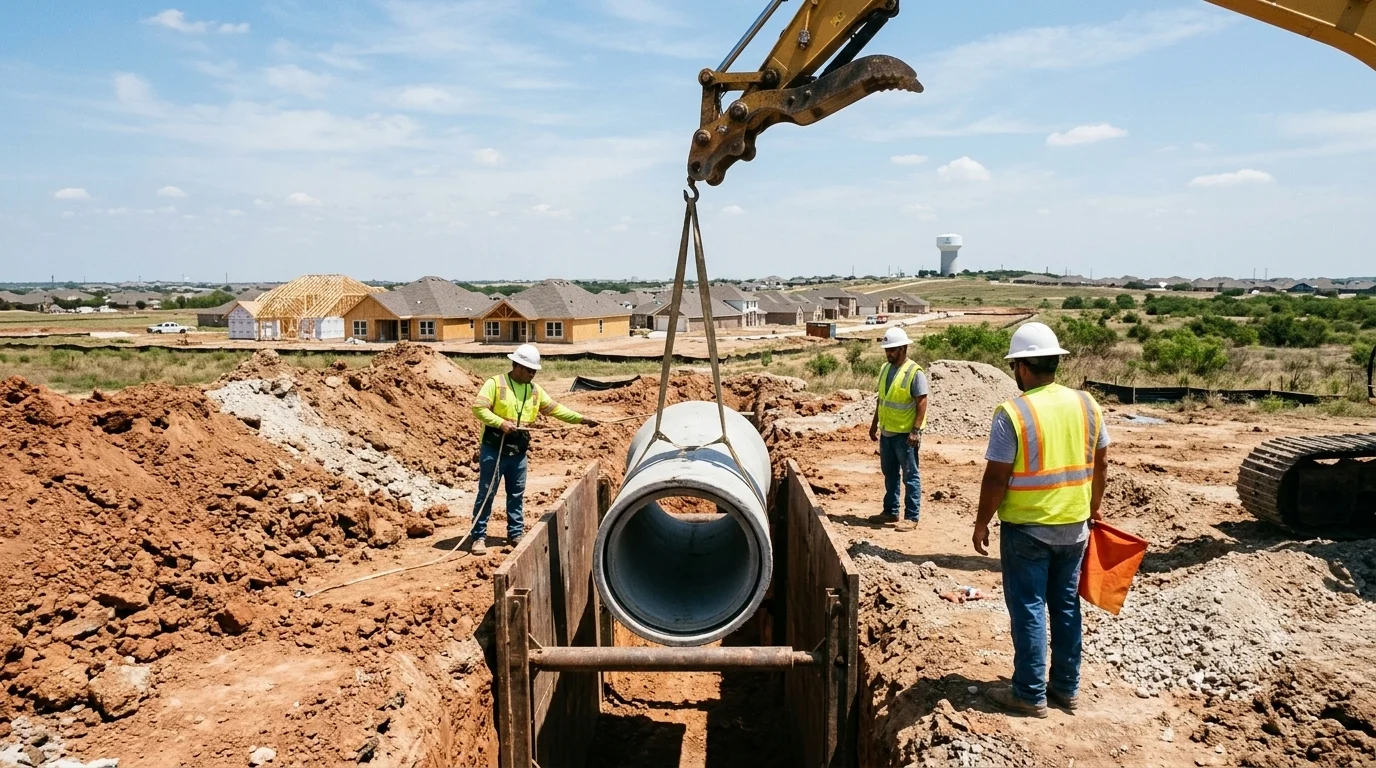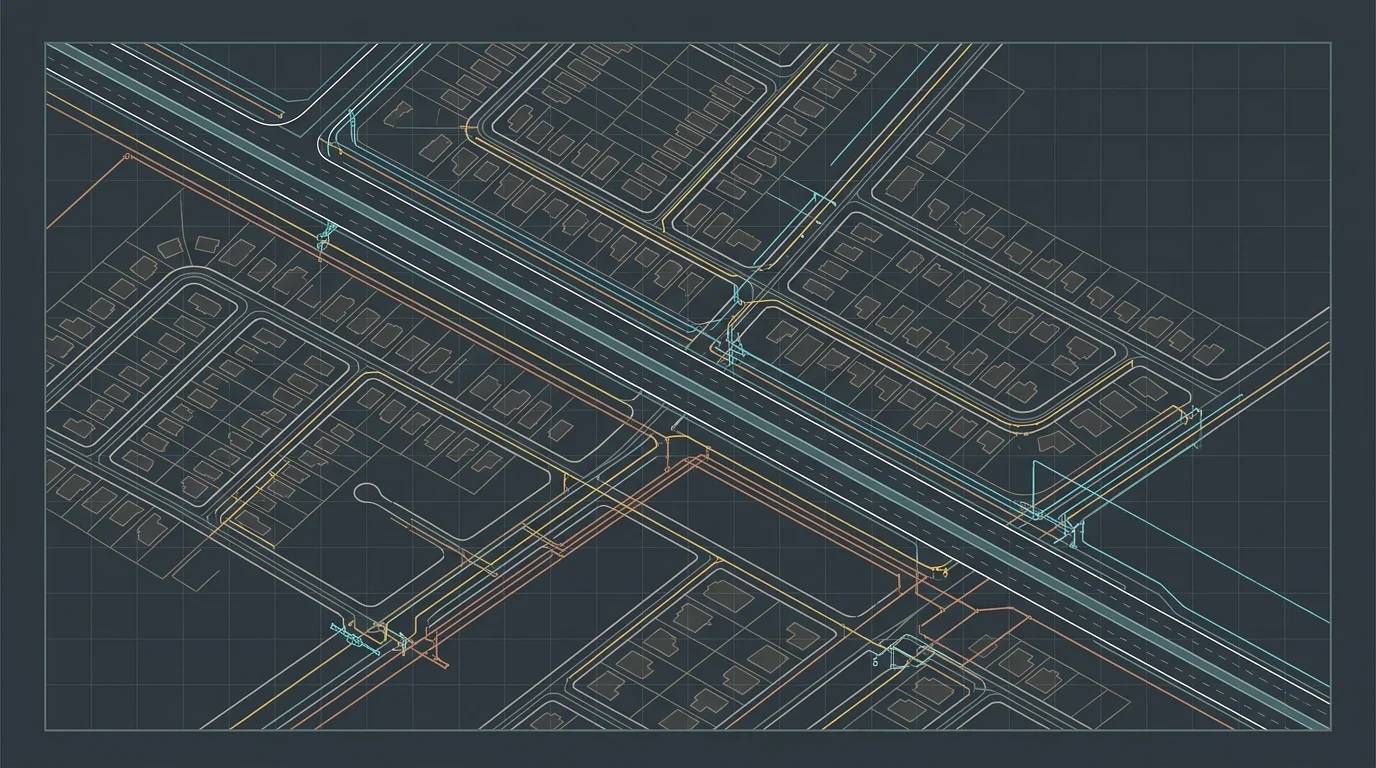
Montverde, Florida is moving to replace septic tanks with sewer connections across parts of this small Lake County town, a project driven by the community's proximity to Lake Apopka, one of the most ecologically damaged large lakes in the state.
The town of roughly 2,000 residents sits on the shores of Lake Apopka, which spent decades absorbing agricultural runoff and nutrient pollution until a major restoration effort began in the late 1990s. Septic systems are a persistent piece of that pollution problem: they leach nitrogen and phosphorus into groundwater, which eventually reaches the lake and feeds the algal blooms that have smothered aquatic life across Florida's waterways. Montverde's older housing stock, built when the area was still largely rural, still relies heavily on those individual tanks.
Projects like this were largely out of reach for small towns until Florida lawmakers began directing serious money toward the problem. The 2020 Clean Waterways Act required state regulators to identify areas where septic systems threaten impaired water bodies and set mandatory conversion timelines. A year later, the state created the Wastewater Grant Program, and since 2019 Florida has committed more than $1.6 billion across various water quality initiatives, with septic elimination as a central strategy. That funding has allowed towns like Montverde, which have small tax bases and limited borrowing capacity, to pursue infrastructure they couldn't otherwise afford.
Florida has an estimated 2.6 million septic systems, and researchers have linked aging tanks to harmful algal blooms, fish kills, and contaminated drinking water wells. The issue became impossible to ignore during the 2017 and 2018 red tide and blue-green algae crises that closed beaches and killed marine life across the state.
For Montverde residents, the conversion raises practical questions that tend to get contentious in small communities: who covers the cost of hooking up to the new lines, and will connection be required once the infrastructure reaches their property? Those details haven't been made public as the town moves through contractor selection.
How quickly the project moves forward, and how many properties it ultimately reaches, will become clearer once a contractor is selected and construction timelines are set.