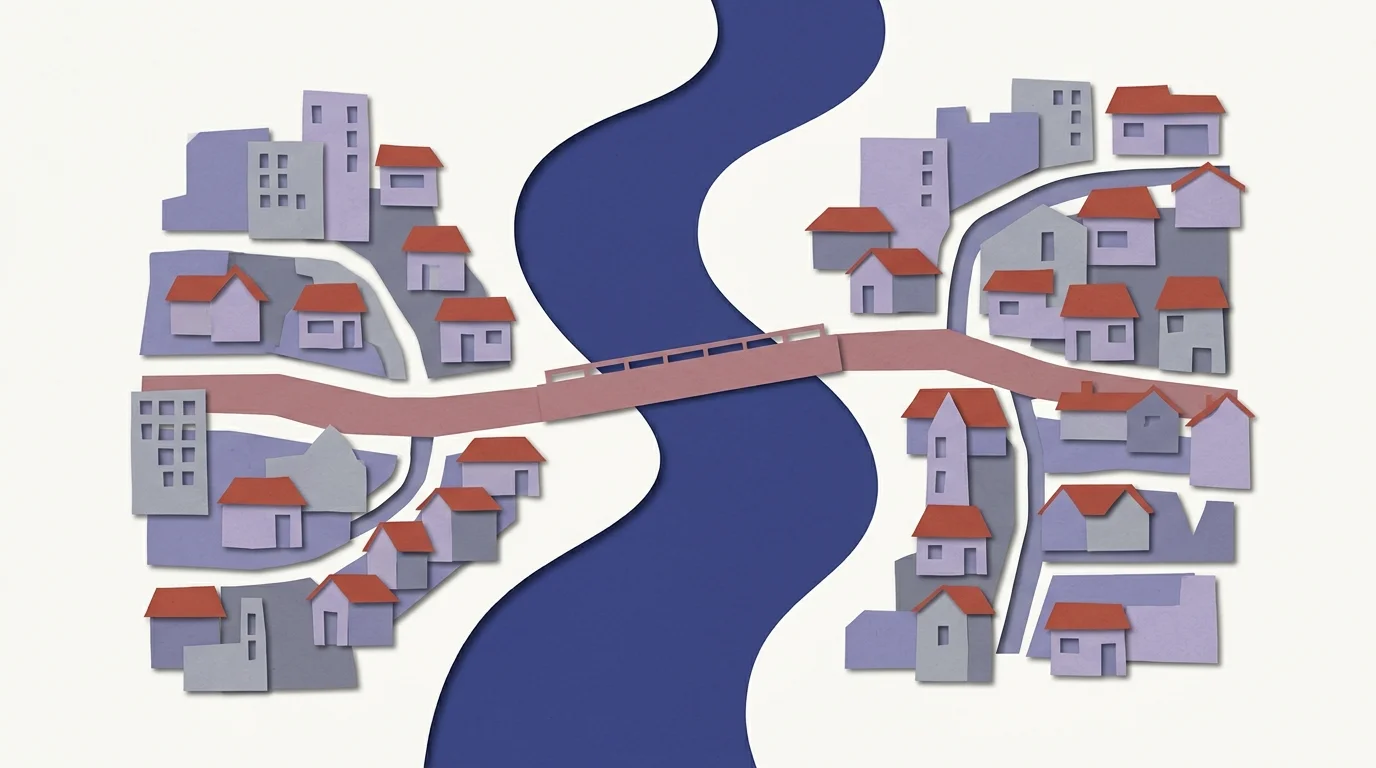
Springfield, Vermont is taking steps to physically reconnect the neighborhoods that the Black River has long divided, moving forward with a federally funded pedestrian bridge that would give residents a way to cross the river on foot.
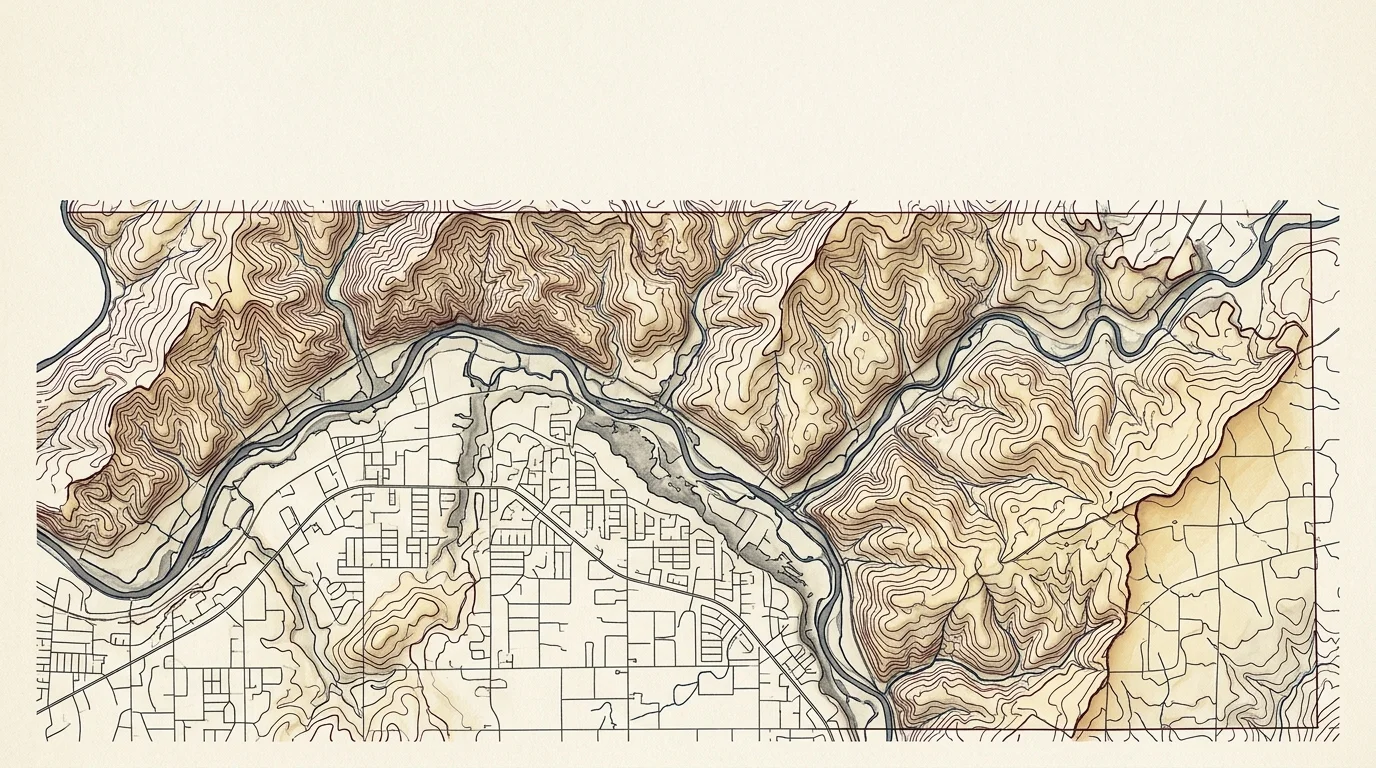
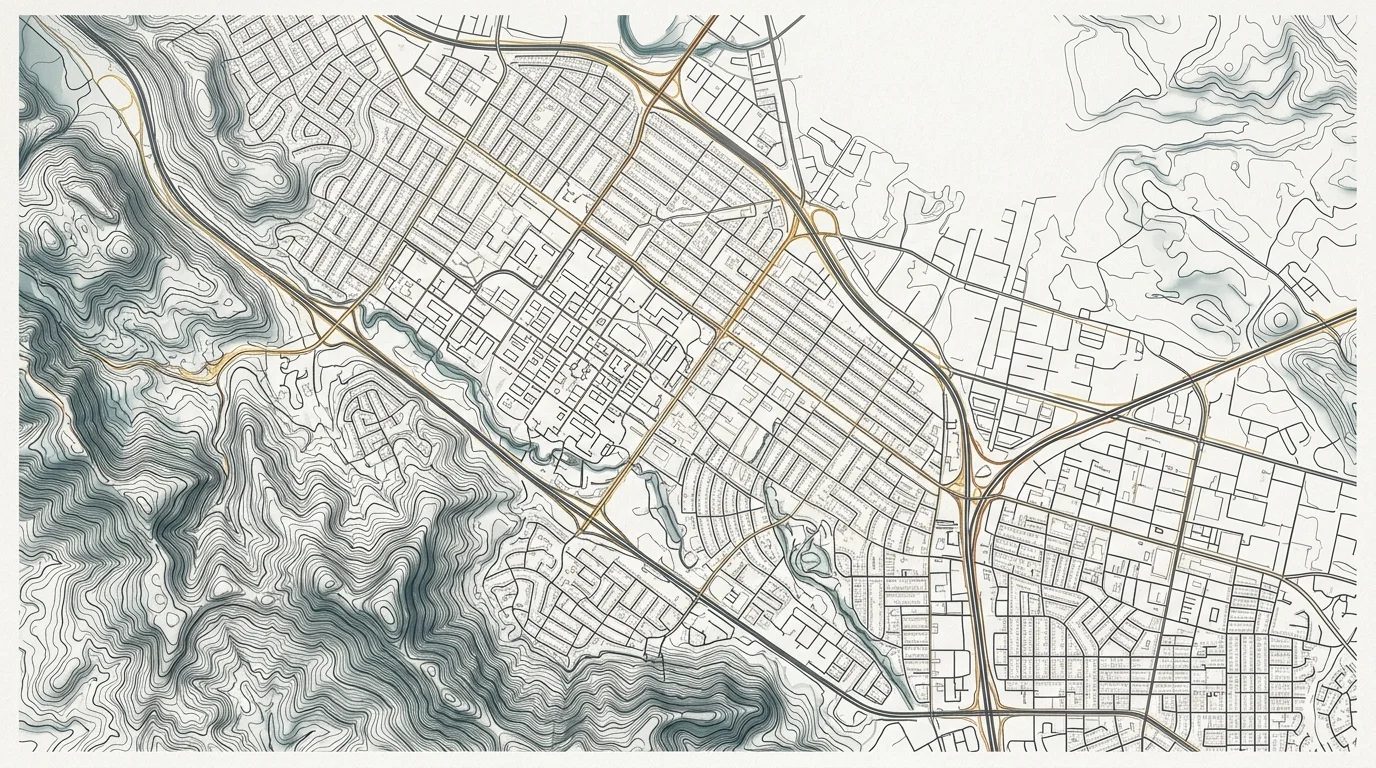
The Black River runs through the center of Springfield, a town of about 9,000 in southeastern Vermont that was once one of America's precision manufacturing capitals. Companies like Jones & Lamson and Bryant Grinder made the valley a powerhouse of American industry from the early 1900s through the mid-20th century, drawing workers to both sides of the river. As those industries contracted from the 1970s onward, Springfield lost population and economic vitality, and the river shifted from industrial engine to physical barrier. Today, residents on the east side of the river have limited ways to reach downtown and commercial areas on the west without a car.
For a town where many residents are elderly or lower-income, that's a real problem. Springfield's median household income sits well below the Vermont state average, and car-free access to services, shops, and downtown is a practical necessity for a significant share of the population.
The bridge project is funded largely through the Federal Highway Administration's Transportation Alternatives Program, with money passed through the Vermont Agency of Transportation's Municipal Assistance Section. That program, which received a major funding boost under the 2021 Bipartisan Infrastructure Law, is designed to help small towns build pedestrian and bicycle infrastructure they couldn't otherwise afford. Springfield is providing a local match, as federal projects in Vermont typically require.
The Mount Ascutney Regional Commission, which provides planning and technical support to small municipalities across the region, is managing the procurement on Springfield's behalf. The town is now seeking engineering firms to design the bridge, with engineering proposals due in mid-February 2026.
Once a firm is selected and design work complete, the project will still need to clear federal environmental and compliance reviews before construction can begin, a process that can take months to years for federally funded projects. The timeline for when Springfield residents might actually be able to walk across the bridge remains to be determined.