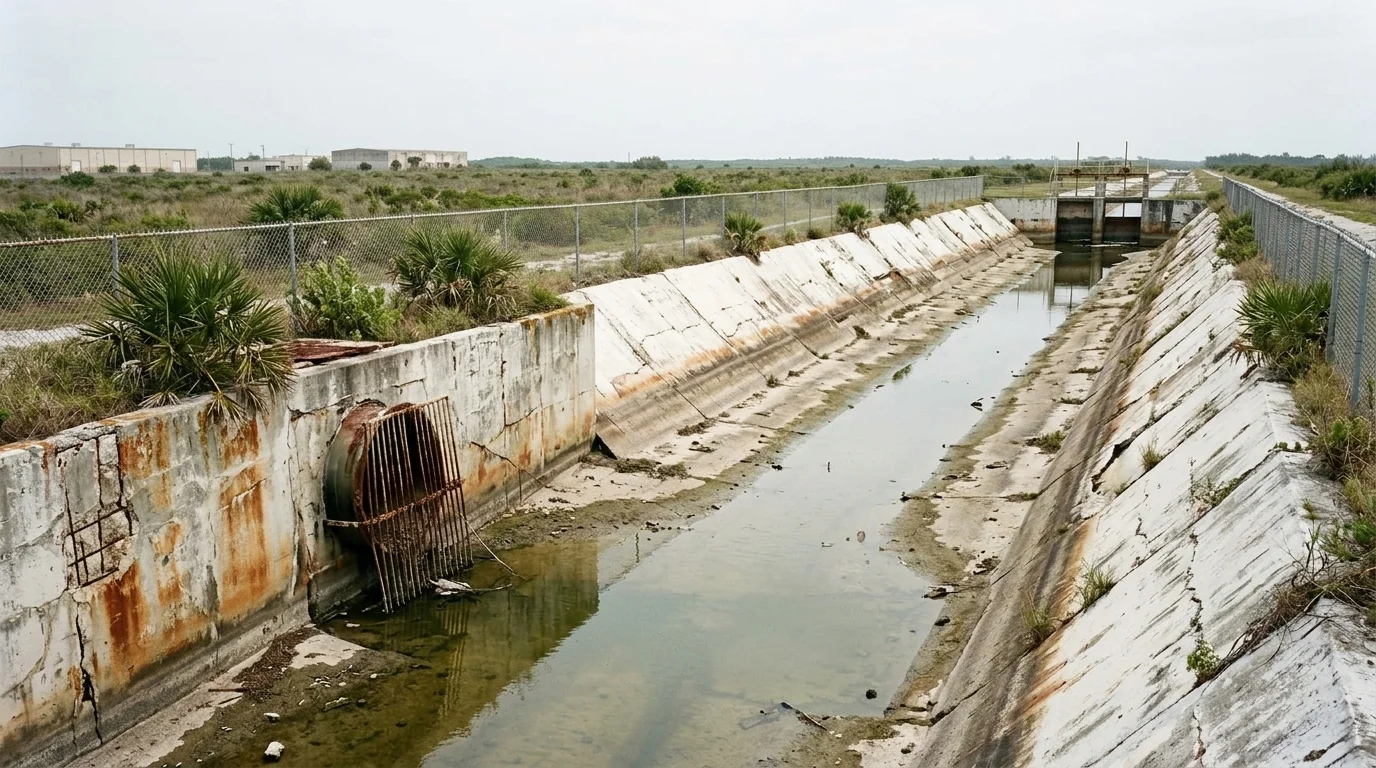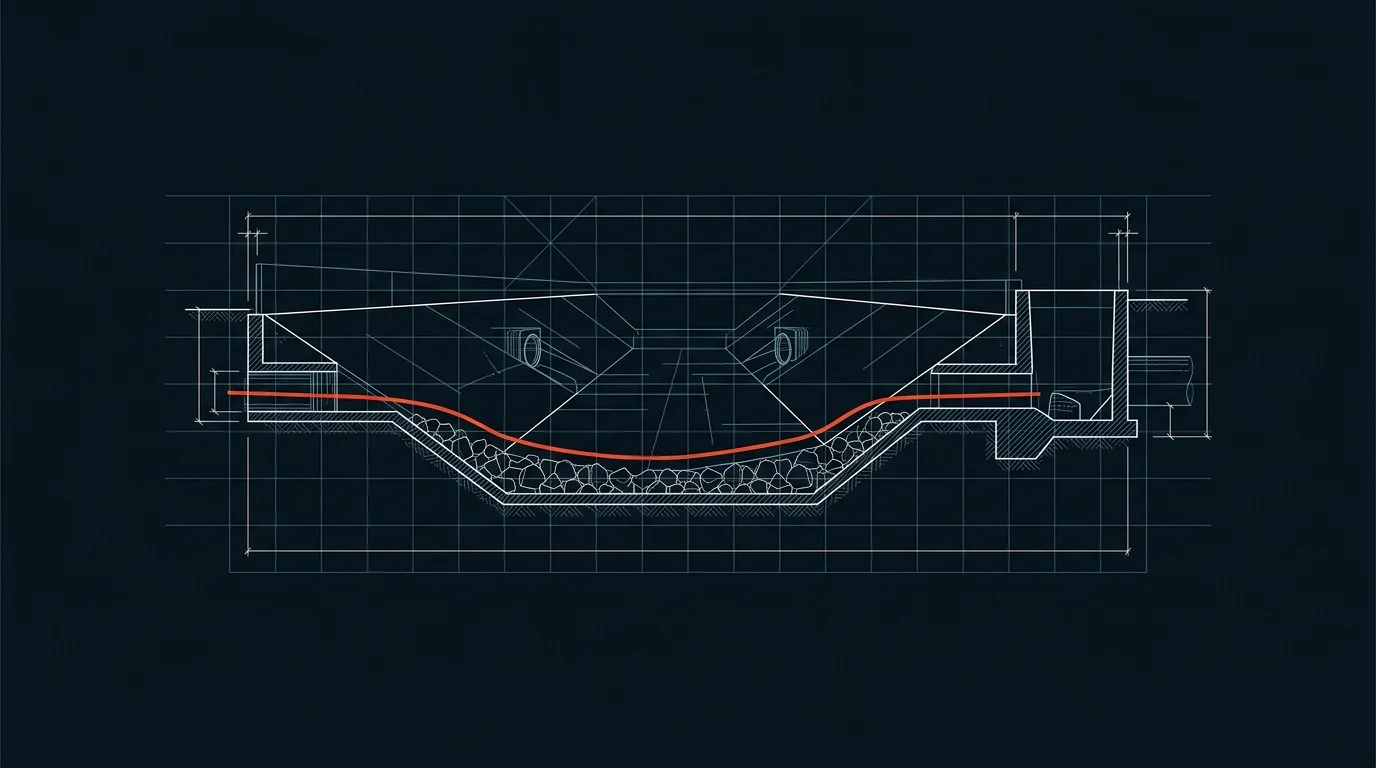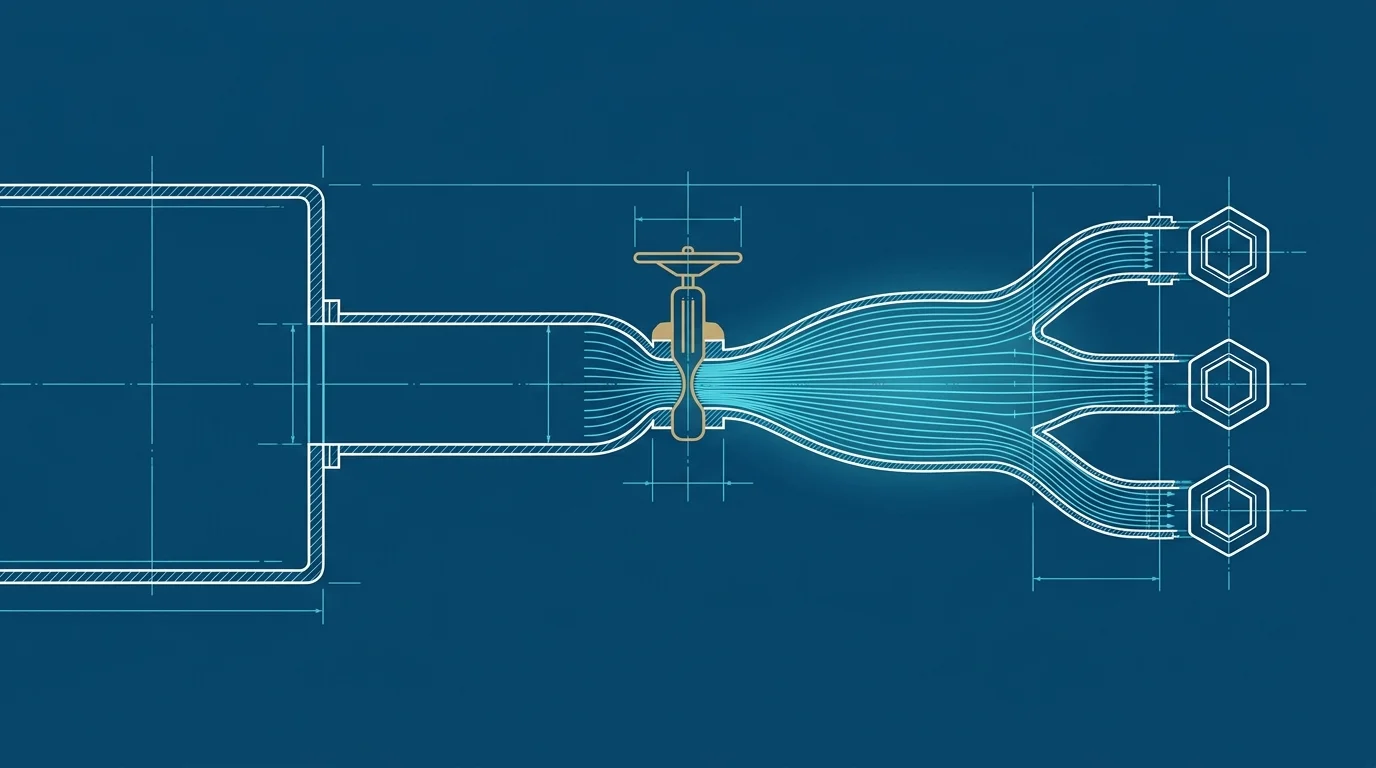
Immokalee, Florida, one of the poorest communities in Collier County, is moving to build a water reclamation facility that would convert treated wastewater into reusable water supply rather than discharging it, addressing a water scarcity problem that has been intensifying across South Florida for years.
The Immokalee Water & Sewer District, which serves roughly 25,000 to 28,000 residents in this unincorporated agricultural community in eastern Collier County, is seeking engineering firms to design and build the facility. The project is in its early procurement phase, and the full cost and treatment capacity have not yet been disclosed publicly.
The stakes are real. Southwest Florida's water supply depends on aquifers and surface water systems engineered decades ago for a much smaller population. Collier County has been among the fastest-growing counties in the state, and increasing drought cycles, saltwater intrusion into coastal aquifers, and tightening state discharge standards have made the old model of treating wastewater and releasing it into waterways increasingly untenable. Florida already leads the nation in water reuse, recycling over 800 million gallons per day statewide, but that progress has largely concentrated around wealthier coastal utilities.
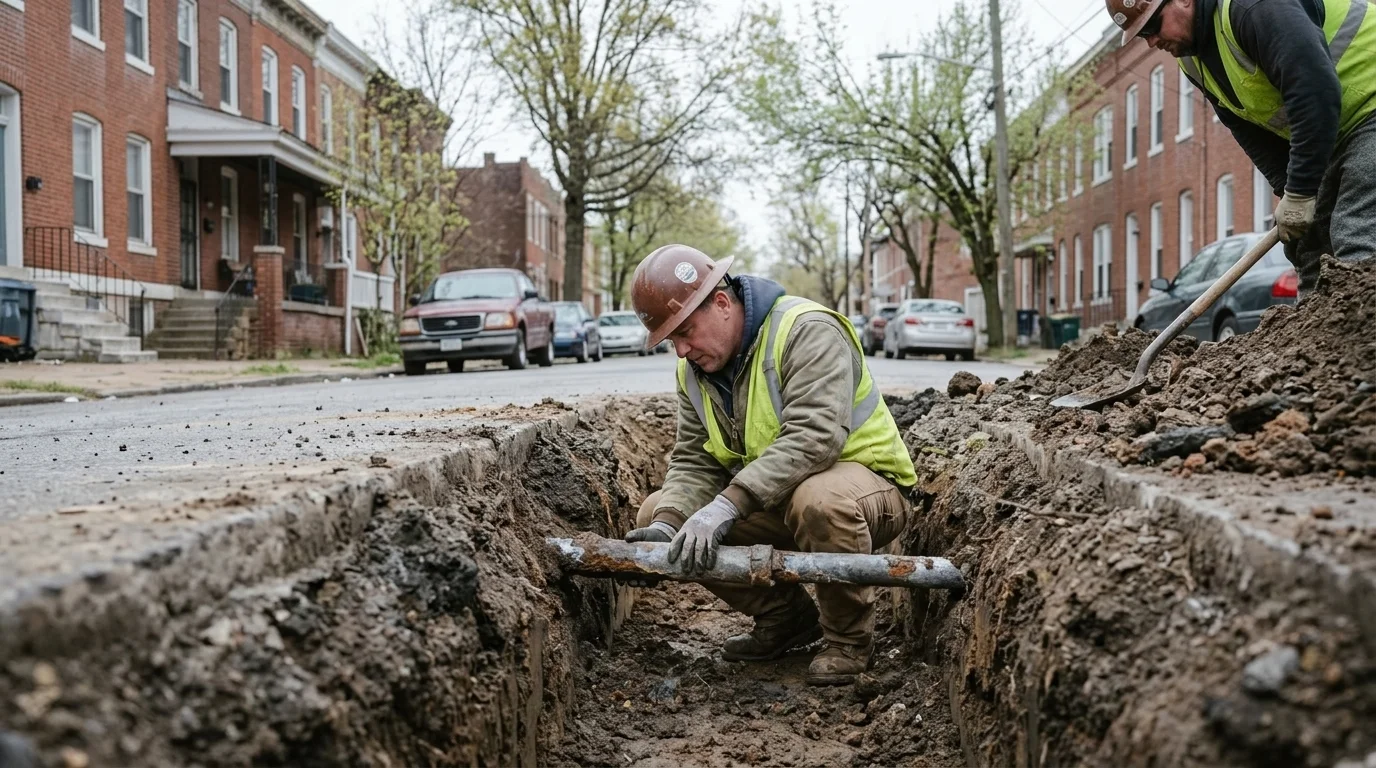
Immokalee is a different kind of place. Its median household income hovers around $30,000 to $35,000, well below the county average, and most residents are Hispanic or Latino, many of them migrant and seasonal farmworkers tied to the tomato, citrus, and cattle operations that surround the town. Infrastructure investment has historically lagged here compared to coastal communities like Naples. The water district operates with a limited local tax base, making state and federal funding, including grants available through the federal Bipartisan Infrastructure Law and EPA financing programs, likely essential to getting this project built.
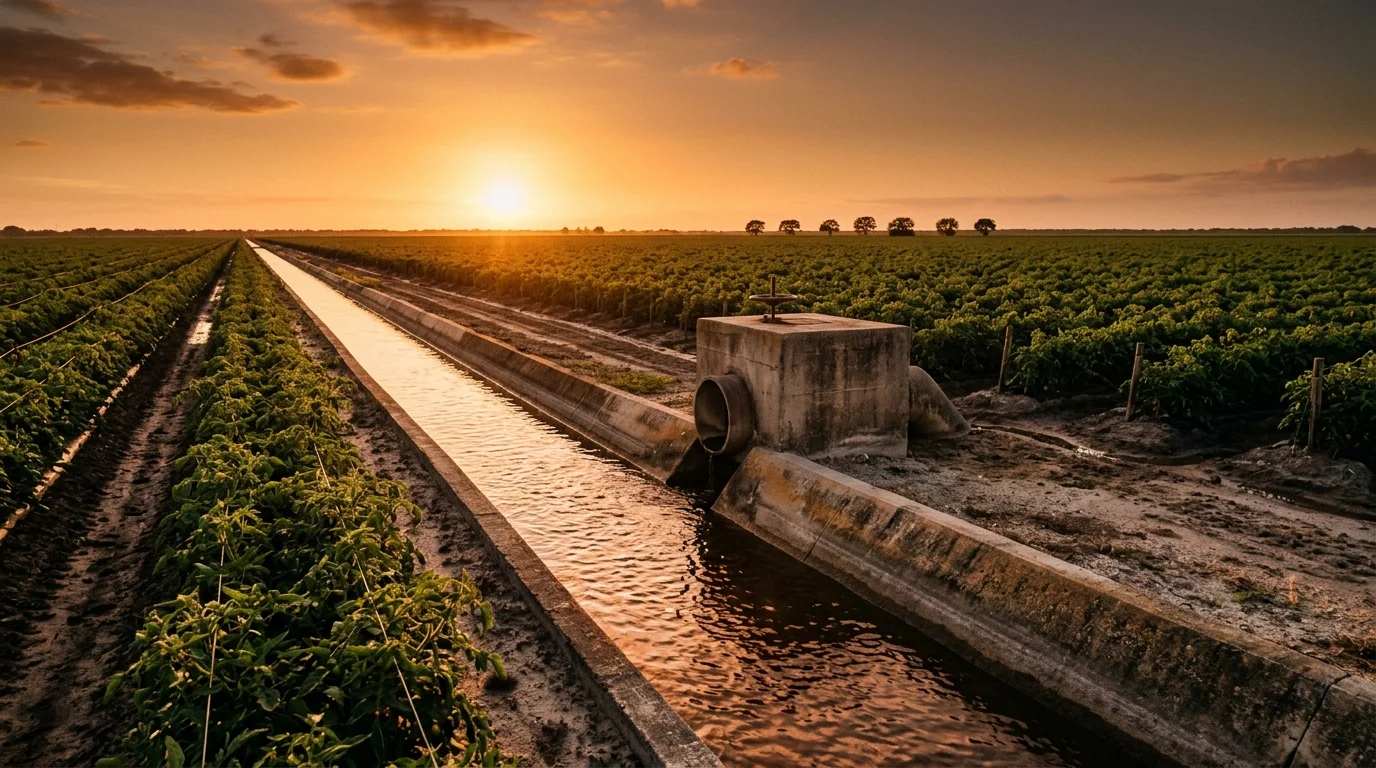
The agricultural economy that employs much of Immokalee's population also makes this project economically logical. Farms surrounding the community are major water consumers, and reclaimed water treated to irrigation standards is an established, cheaper alternative to drawing from already-stressed aquifers. A functioning reclamation facility could supply both the town and the fields around it.
Florida has been pushing utilities toward exactly this kind of project. The state's 2020 Clean Waterways Act tightened nutrient discharge rules, and a 2021 law requires utilities to assess feasibility for even higher-grade potable reuse. For Immokalee, this project represents compliance with that direction and a step toward infrastructure parity with wealthier parts of the state.
With the RFP now posted, the district's next step is selecting a design and engineering team. The timeline for construction and eventual operation has not yet been made public.