Every criminal case in Delaware, from homicides in Wilmington to drug trafficking arrests in Sussex County, eventually passes through the same forensic lab. Now the state is moving to replace the outdated facility that handles all of it.
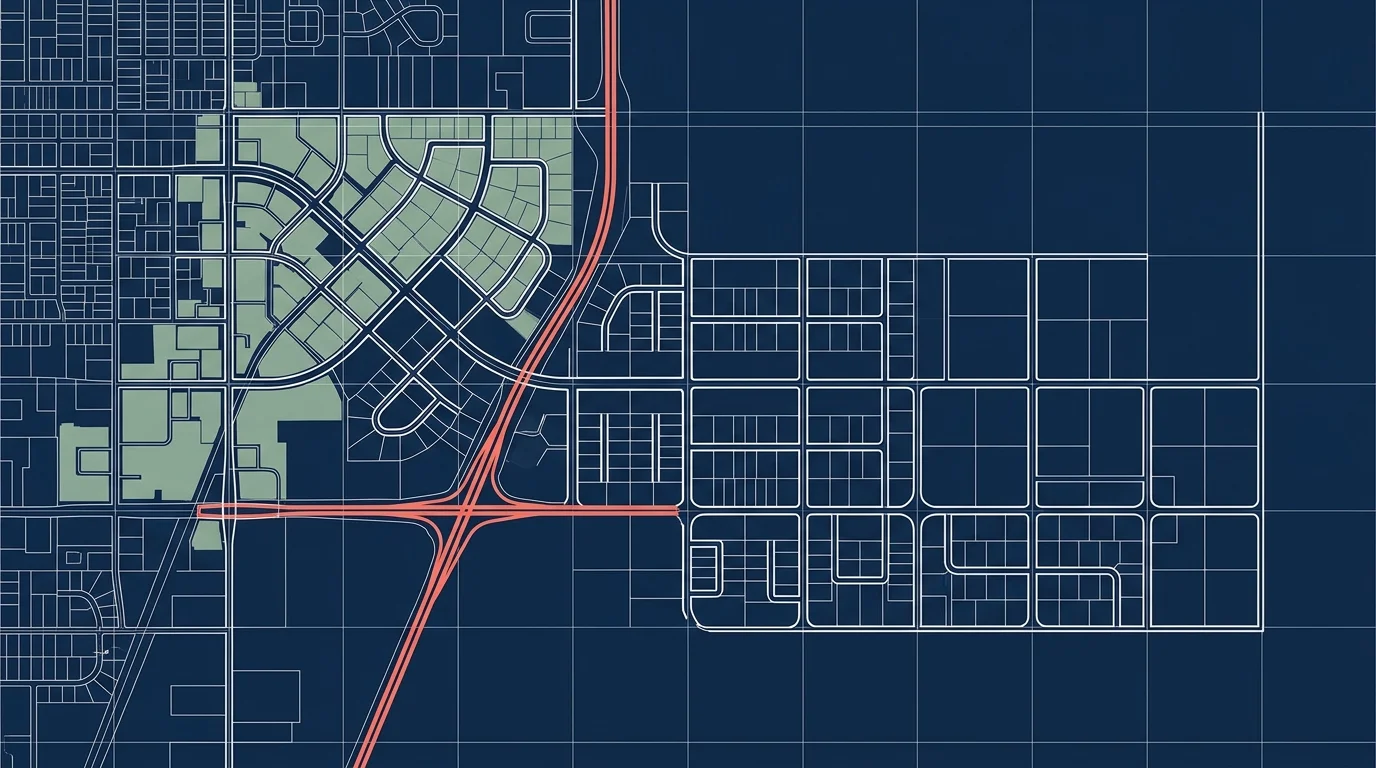
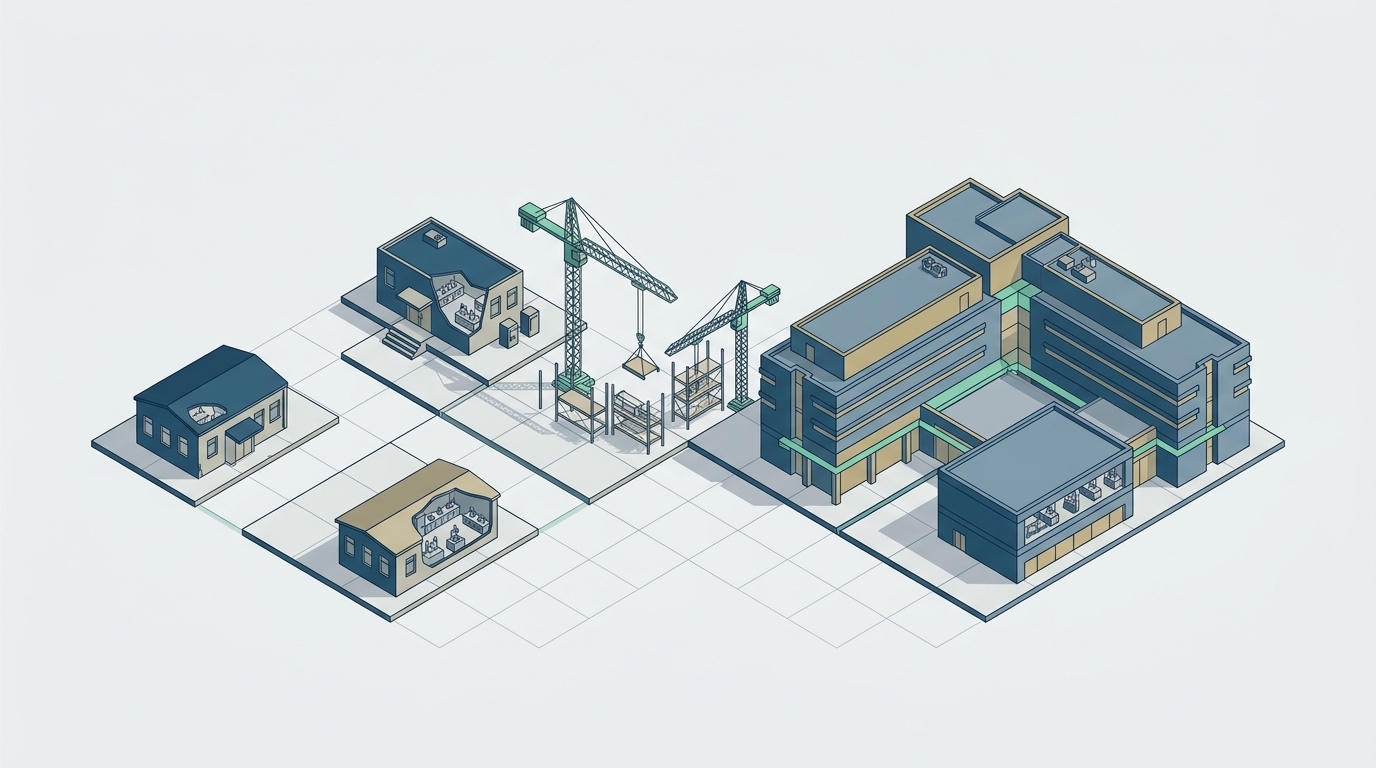
Delaware is seeking an architect or design firm to plan a new forensic science building at the Bissell Campus in Dover, home to several state public safety operations. The project would give the Delaware Division of Forensic Science a purpose-built home for the first time, replacing infrastructure that was never designed for the demands of modern forensic work.
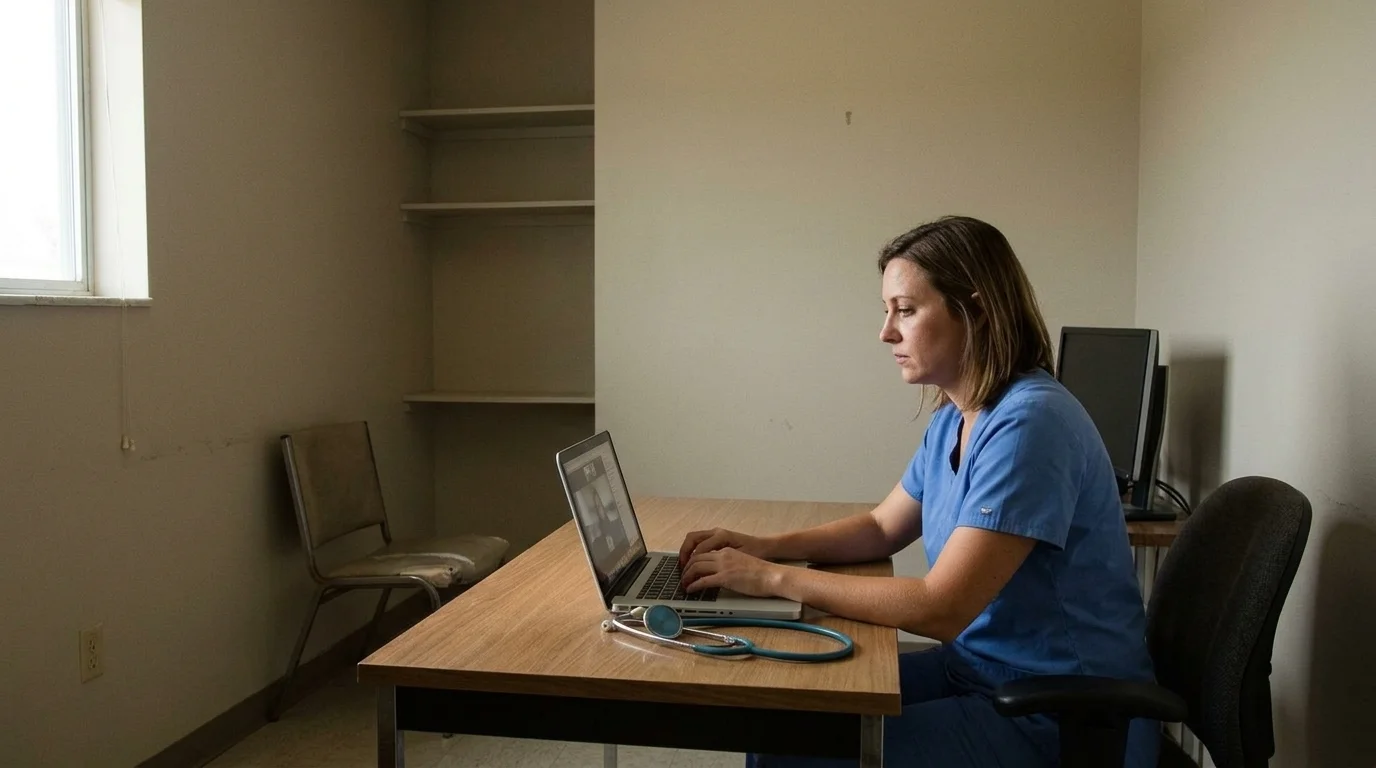
The timing reflects years of pressure on the lab. Delaware has ranked among the worst states in the country for per-capita overdose deaths since 2017, a crisis that has driven a surge in toxicology cases alone. Add to that growing volumes of DNA analysis, digital evidence, and firearms work, and a facility built for an earlier era of forensic science simply can't keep up.
The stakes are higher in Delaware than they might be elsewhere. As one of the smallest states in the country, with about one million residents, Delaware operates a single centralized forensic lab serving all three counties. There is no backup. When the facility creates a bottleneck, it slows every prosecution in the state and can prolong pretrial detention for defendants waiting on lab results.
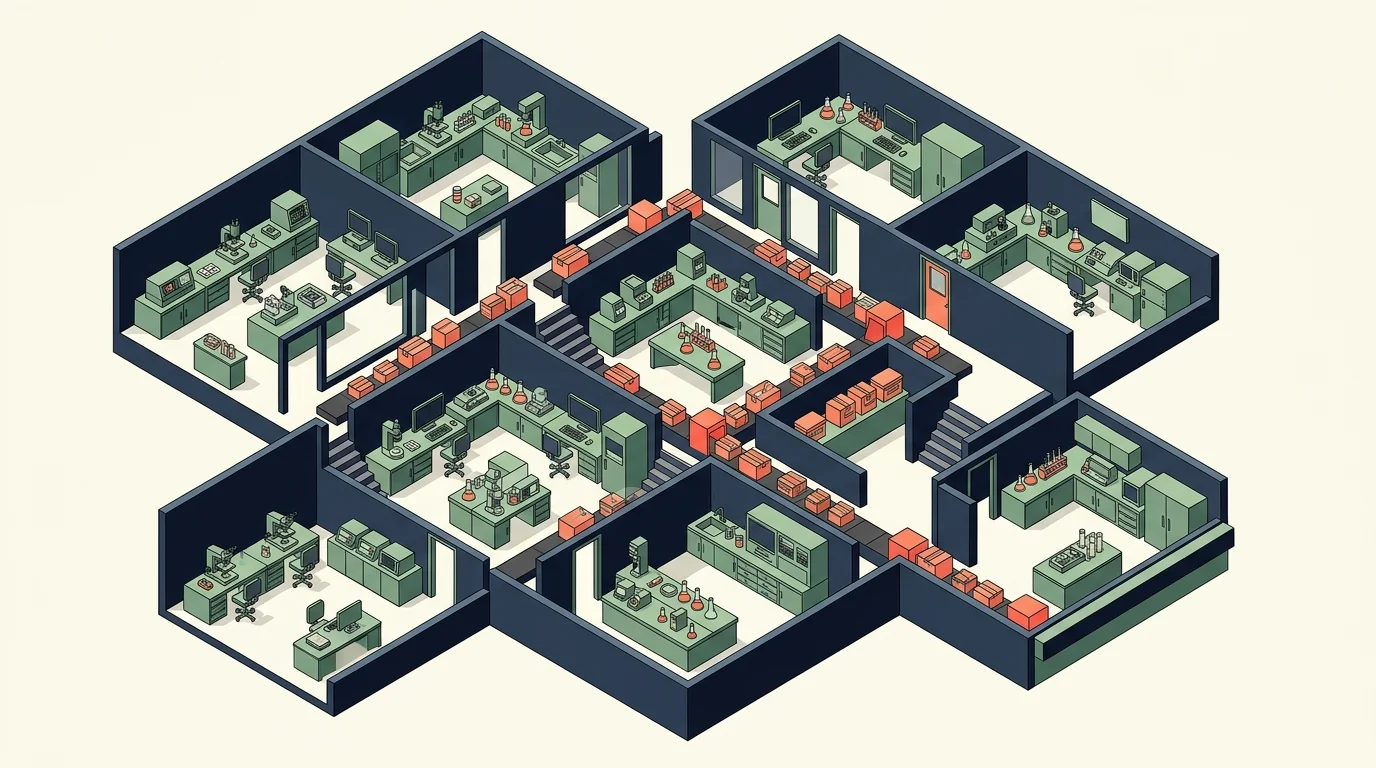
Modern forensic labs require specialized HVAC systems to prevent sample cross-contamination, biosafety-rated spaces for biological evidence, secure chain-of-custody storage, and IT infrastructure capable of handling digital forensics. Accreditation standards from bodies like the ANSI National Accreditation Board have also tightened in recent years, putting aging facilities at risk of losing the certifications that make their findings admissible in court.
Delaware's project fits into a broader national wave of forensic lab construction. A landmark 2009 National Academy of Sciences report exposed systemic weaknesses in labs across the country, and states including Virginia, Texas, and Ohio have since built new flagship facilities. For a small state like Delaware, a project of this scale represents a significant share of the capital budget, with comparable facilities elsewhere running from $50 million to more than $150 million.
Specific cost figures and a construction timeline have not yet been made public. The full solicitation is posted through Delaware's official bidding portal. Design work typically precedes construction by a year or more, meaning a completed building is likely several years away.