Eagle County, Colorado, home to Vail, Beaver Creek, and an economy built almost entirely on snow, is moving to build its most comprehensive climate plan ever, one that confronts a hard reality: the conditions that make the county one of the world's premier ski destinations are becoming less reliable.
The county has posted a request for proposals to hire consultants to develop a community-wide Climate Action Strategy, a significant step beyond its 2016 plan, which focused mainly on county government operations. The new strategy is intended to cover all 56,000 residents and the full geography of the county, from Vail and Beaver Creek to the working-class downvalley towns of Eagle and Gypsum, and to address both cutting emissions and preparing for climate impacts already underway.
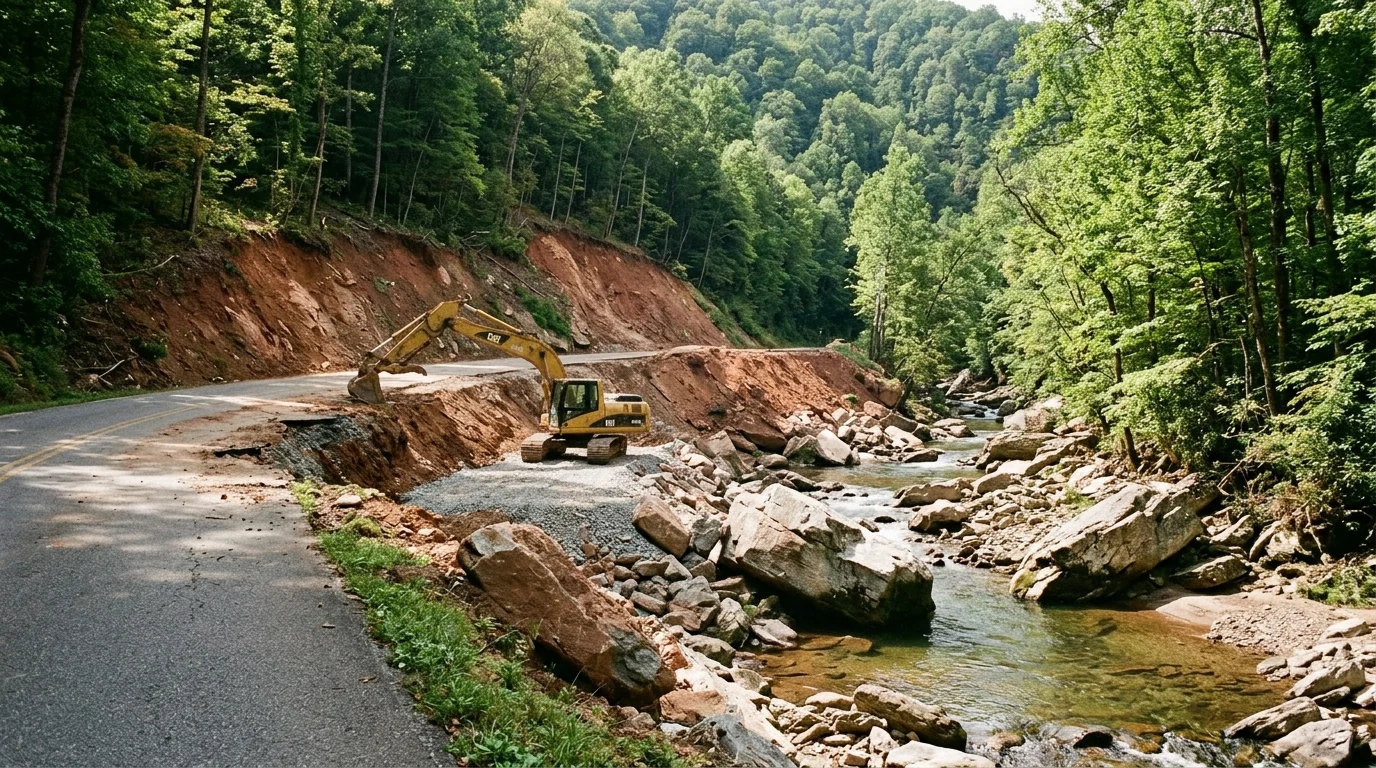
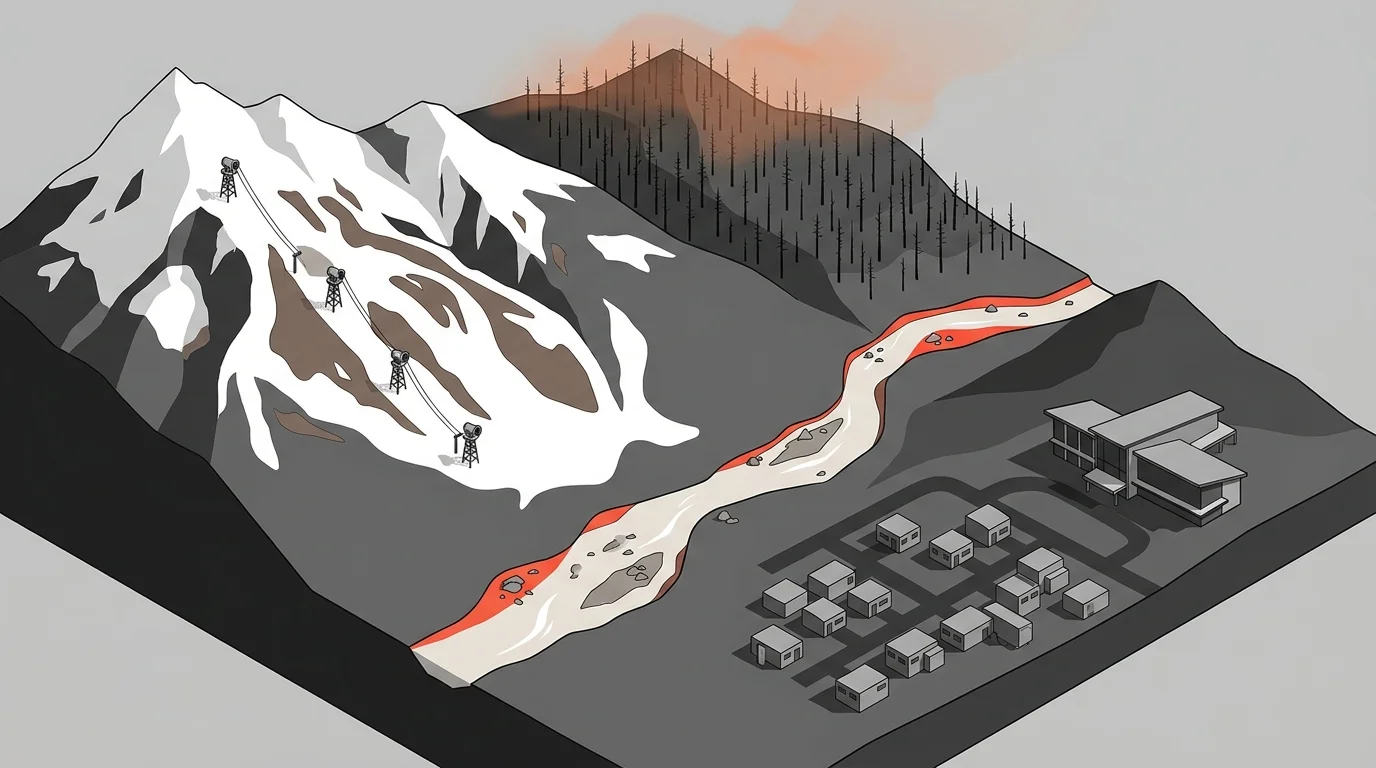
Those impacts are not abstract in Eagle County. The Grizzly Creek Fire burned more than 32,000 acres along I-70 in 2020, closing the interstate for weeks and triggering months of mudslides in Glenwood Canyon. Bark beetle infestations, fueled by warming winters, have killed millions of acres of mountain trees across Colorado, raising wildfire risk further. The Colorado River Basin, which the Eagle River feeds into, has endured a 23-year megadrought. Long-term snowpack trends threaten both the county's water supply and the ski industry that underwrites its tax base.
Source: NationGraph.
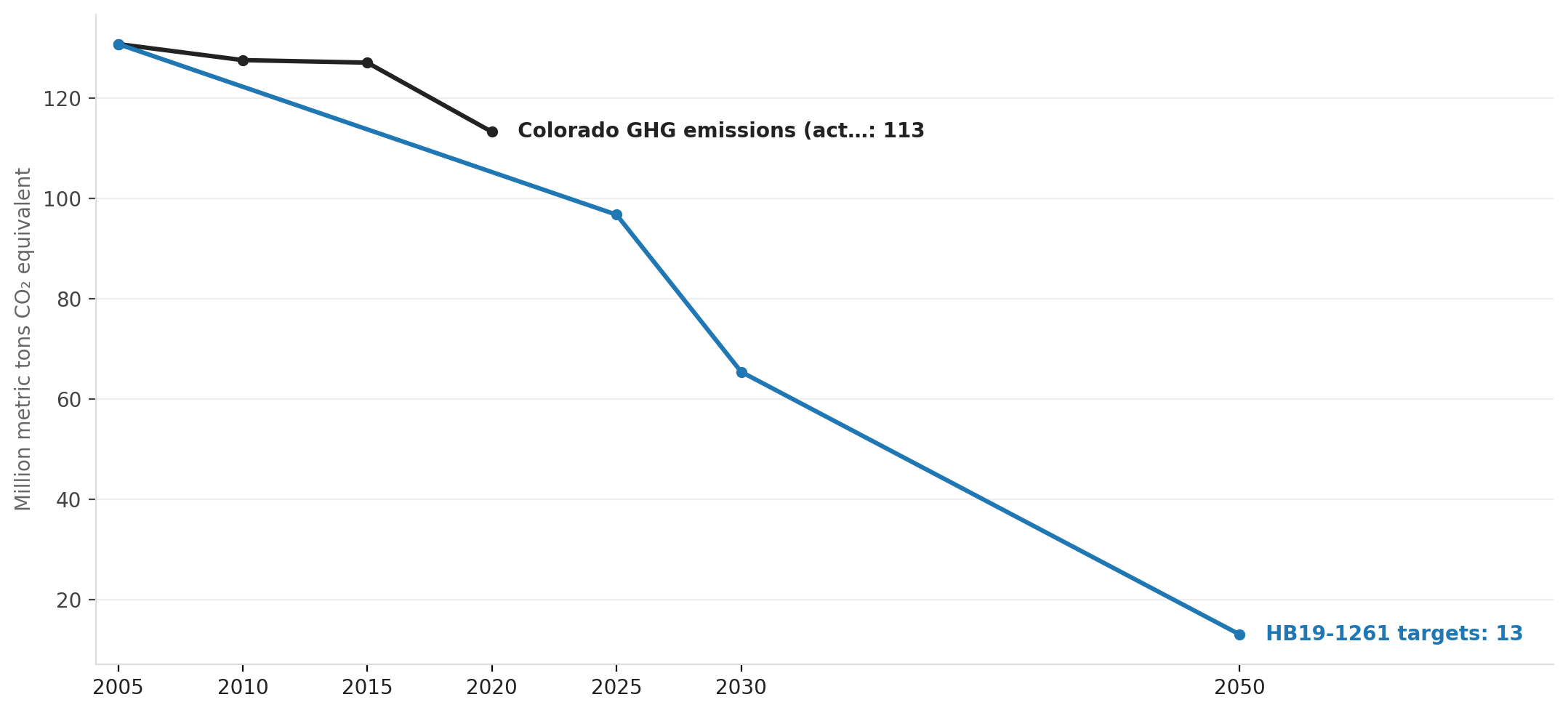
Colorado state law adds urgency. Under HB19-1261, the state is required to cut greenhouse gas emissions 50 percent by 2030 and 90 percent by 2050 compared to 2005 levels, targets that depend heavily on local governments taking action. Neighboring Pitkin County, home to Aspen, has become a national model for mountain-community climate planning, and Eagle County has long been measured against that benchmark.
The county's per-capita carbon footprint is likely high: I-70 corridor traffic, energy-intensive snowmaking operations, and a large stock of luxury residential properties all contribute. Vail Resorts, headquartered in the county, has pledged a zero net operating footprint by 2030, giving the county a major private-sector partner, and a public accountability standard to match.
But the process will surface difficult questions. Housing affordability is already the county's most contentious political issue, and any climate standards that raise construction costs will hit hard in a place where the Latino workforce that staffs the resort economy is already squeezed. A strategy that works for Vail homeowners may look very different for families in Gypsum.
The county is in early planning stages, and a completed strategy is likely months away. How the county balances emissions targets, wildfire resilience, water security, and the economic pressures on its working-class communities will shape the final plan.