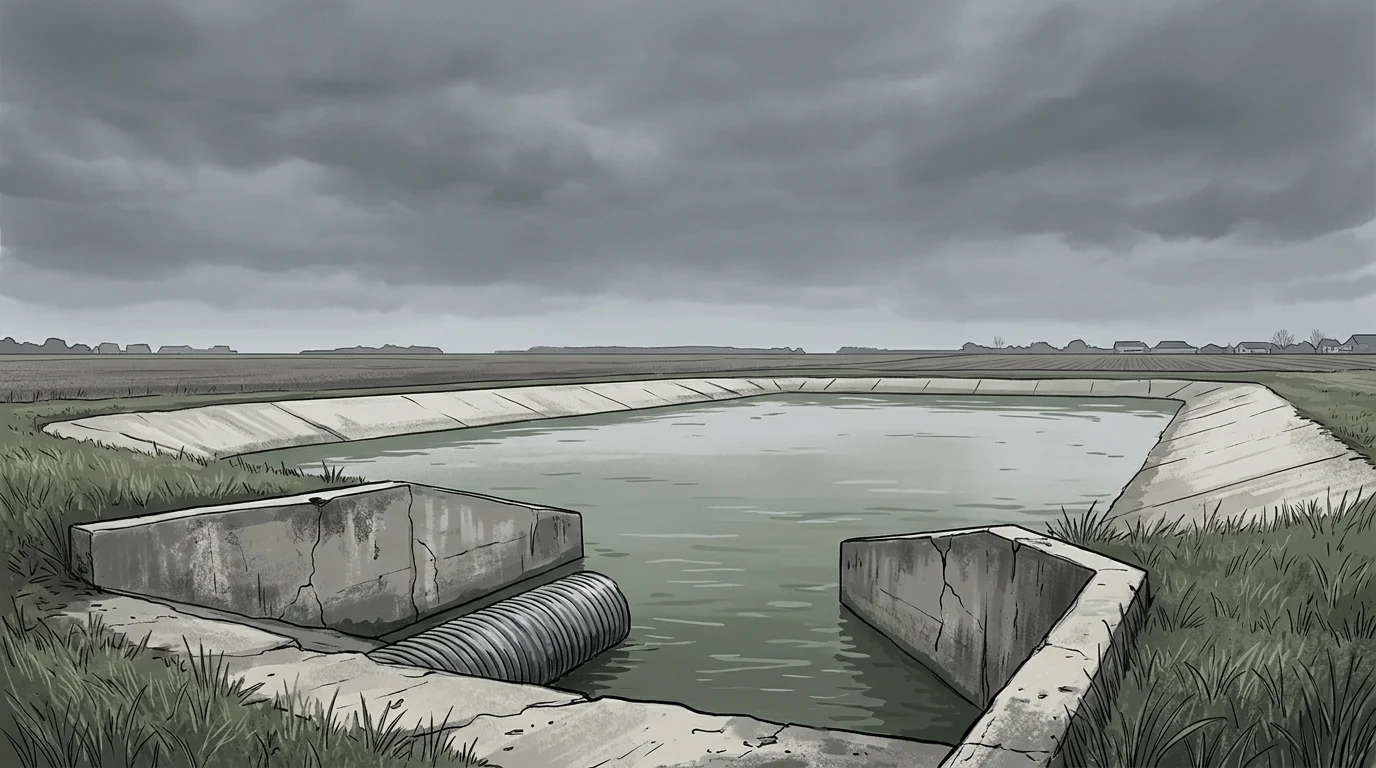
Cocoa Beach, Florida is moving to fix a decades-old sewer problem that sends raw sewage spilling into the Indian River Lagoon every time a major storm rolls through, launching a program to find and seal the cracks, failed joints, and illegal connections that let stormwater flood the city's sanitary system.
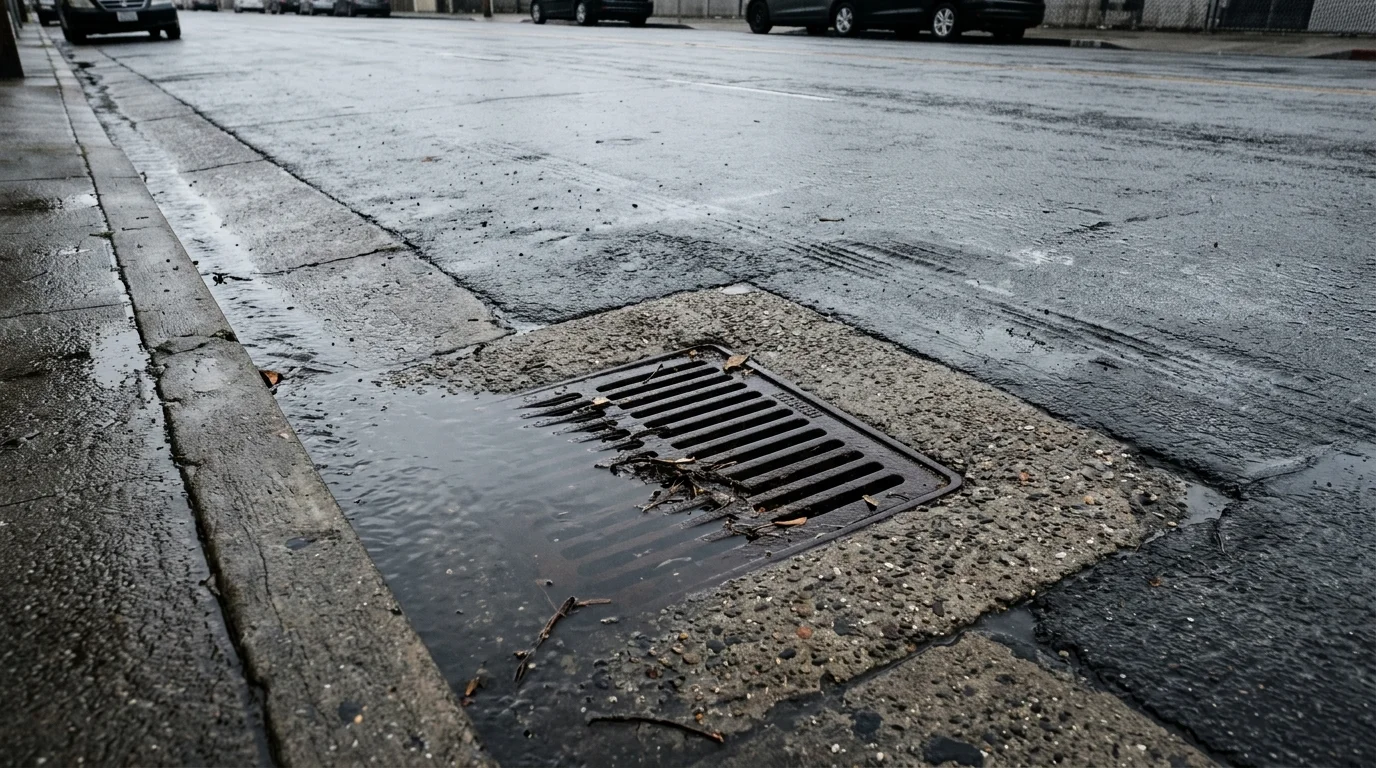
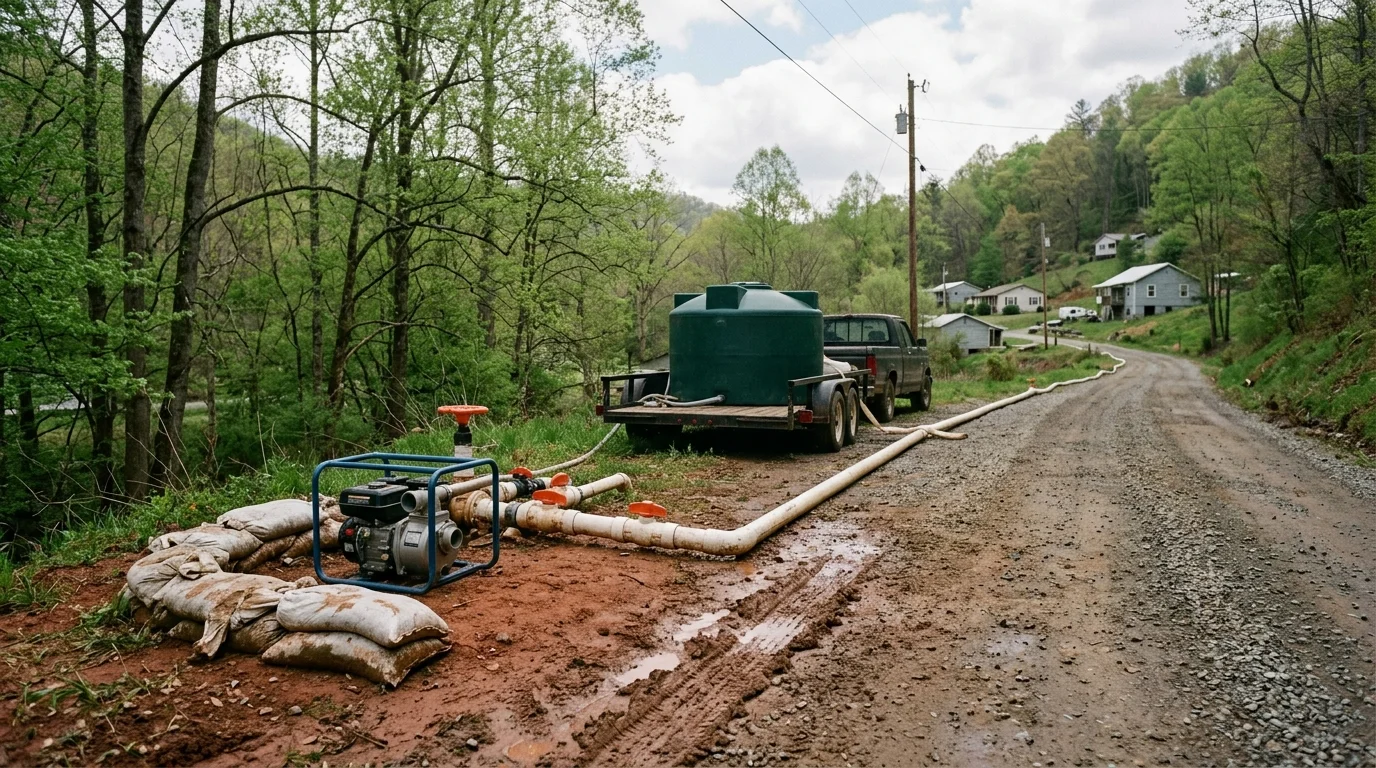
The problem has a name engineers call inflow and infiltration, or I&I. Rainwater gets into sewer pipes through deteriorating joints, cracked manholes, and improper connections. The pipes fill up faster than the system can handle, and the overflow goes somewhere it shouldn't: streets, drainage ditches, and ultimately the Banana River and the Indian River Lagoon. The fix involves systematically inspecting pipes with cameras, smoke and dye testing to trace where water is sneaking in, and then relining or repairing whatever's letting it through.
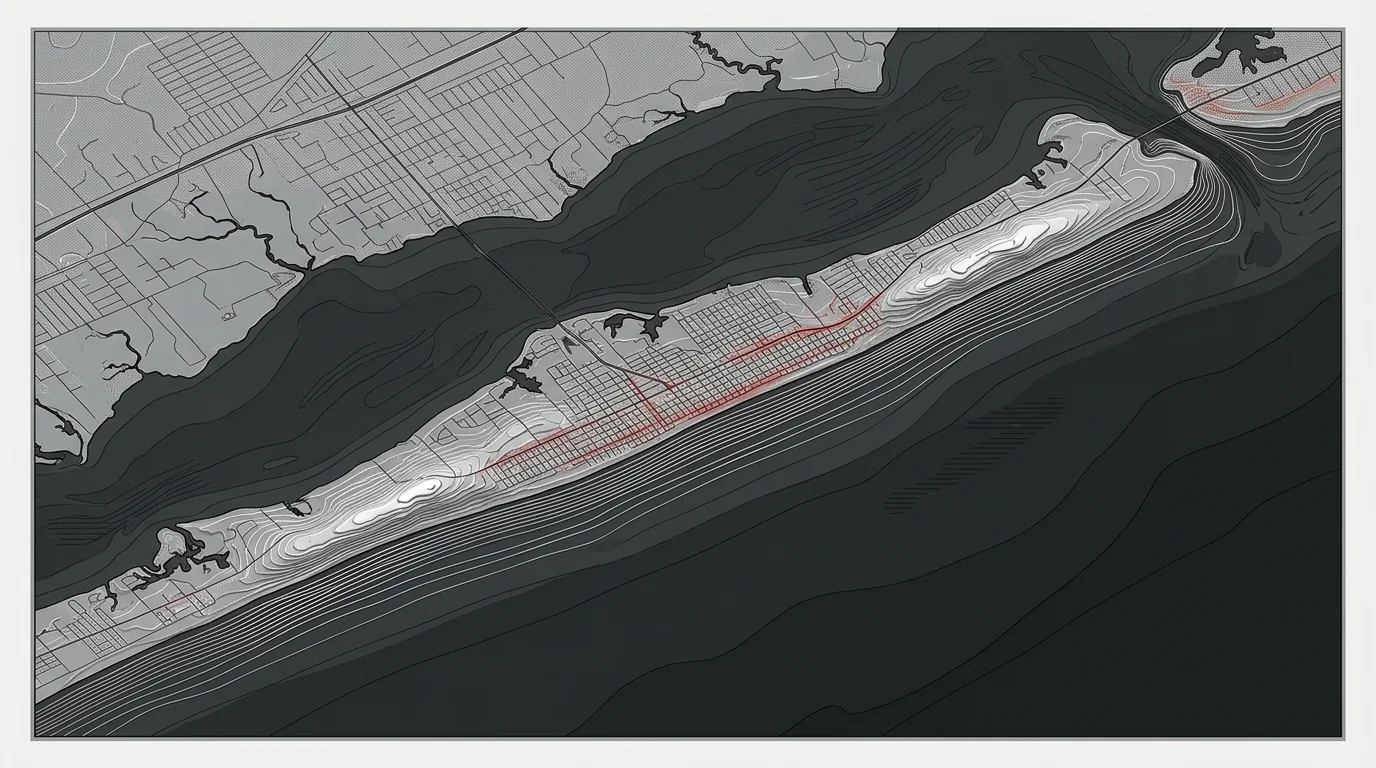
Cocoa Beach's geography makes it especially vulnerable. The city sits on a narrow barrier island just a few blocks wide, squeezed between the Atlantic Ocean and the Banana River. The water table sits just feet below the surface, meaning any crack in a sewer pipe is essentially submerged in groundwater around the clock. Sea level rise, now accelerating to roughly three or more inches per decade along Florida's Atlantic coast, is pushing that water table higher still.
Most of the pipes in question were laid during the city's rapid growth in the 1960s and 1970s, when the Space Coast boomed alongside NASA's Apollo program. That infrastructure is now 50 to 60 years old, well past its design life.
The stakes extend beyond Cocoa Beach's roughly 12,000 residents. The Indian River Lagoon, considered one of the most biodiverse estuaries in North America, has been in ecological crisis since 2011, when massive algal blooms wiped out seagrass beds and triggered widespread fish and manatee die-offs. Nutrient pollution from sewage has been identified as a key driver. Brevard County voters approved a half-cent sales tax in 2016, the Save Our Indian River Lagoon program, specifically to fund sewer upgrades across the county, signaling how seriously the region takes the issue.
Regulatory pressure has also intensified. Florida's 2020 Clean Waterways Act imposed stricter requirements on wastewater utilities, and the state has increasingly pursued enforcement against municipalities with chronic overflow records. Hurricane Nicole, which made a rare direct hit on Brevard County's coast in November 2022, strained infrastructure across the area and underscored how little margin barrier island cities have when storms arrive.
The city's RFP seeks a contractor to carry out the investigation and rehabilitation work. The scope and cost of the program have not been publicly detailed, but the city is in the early stages of contractor selection. How quickly repairs follow the investigation will depend on what inspectors find inside those aging pipes.