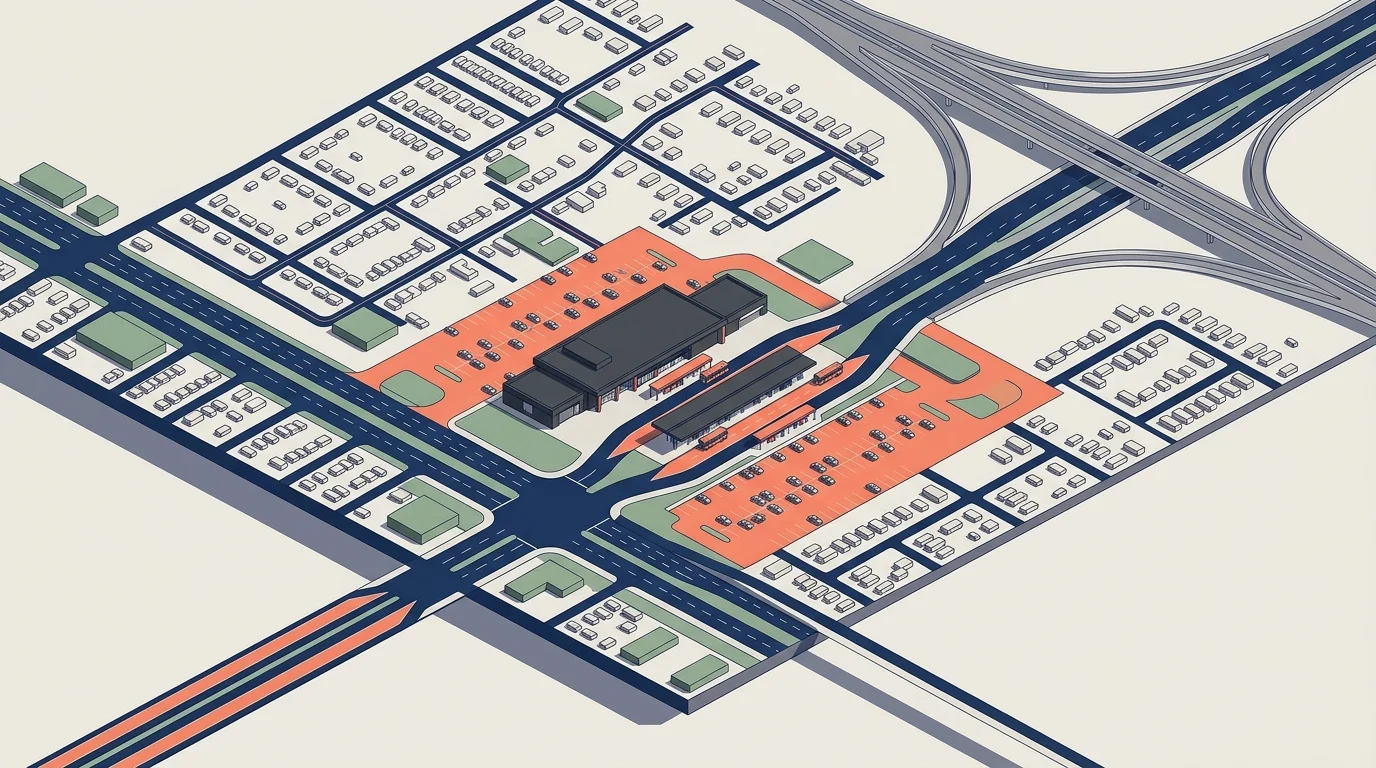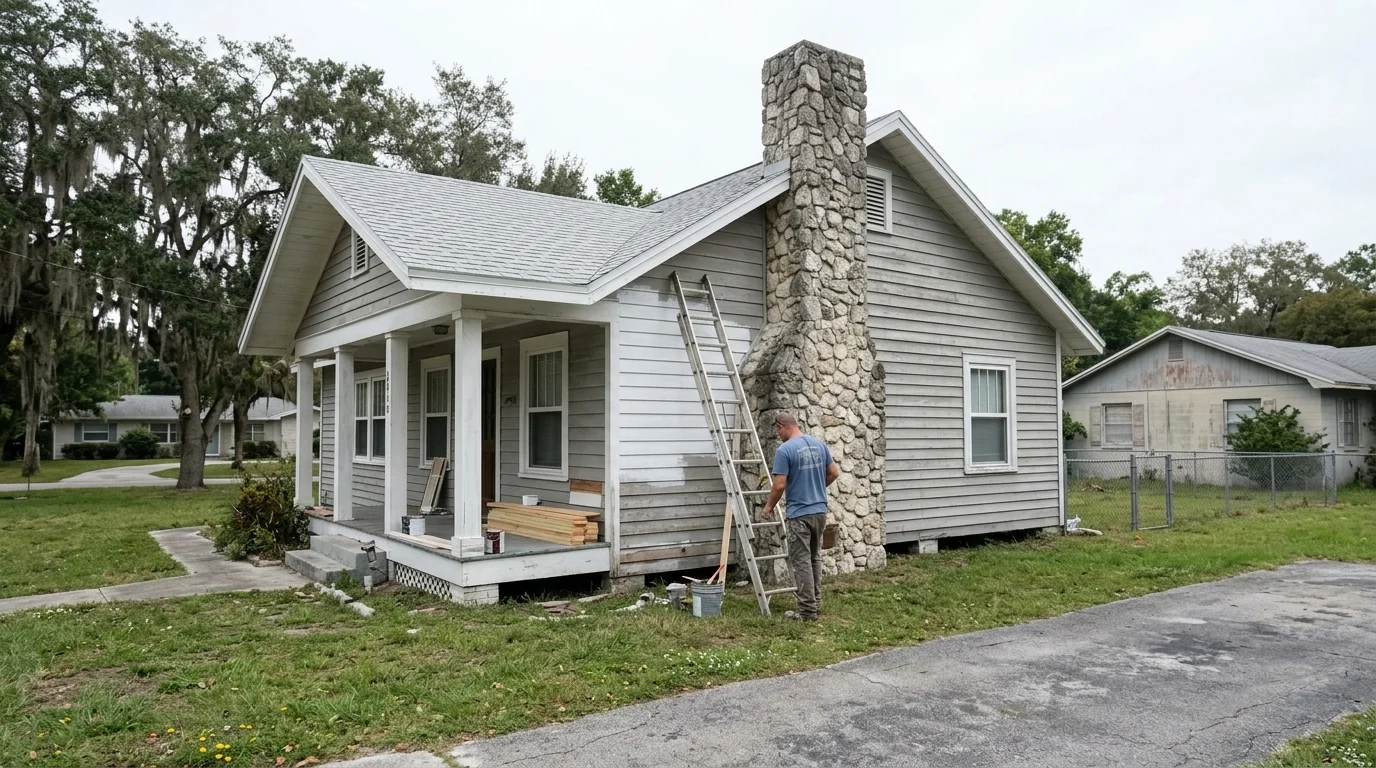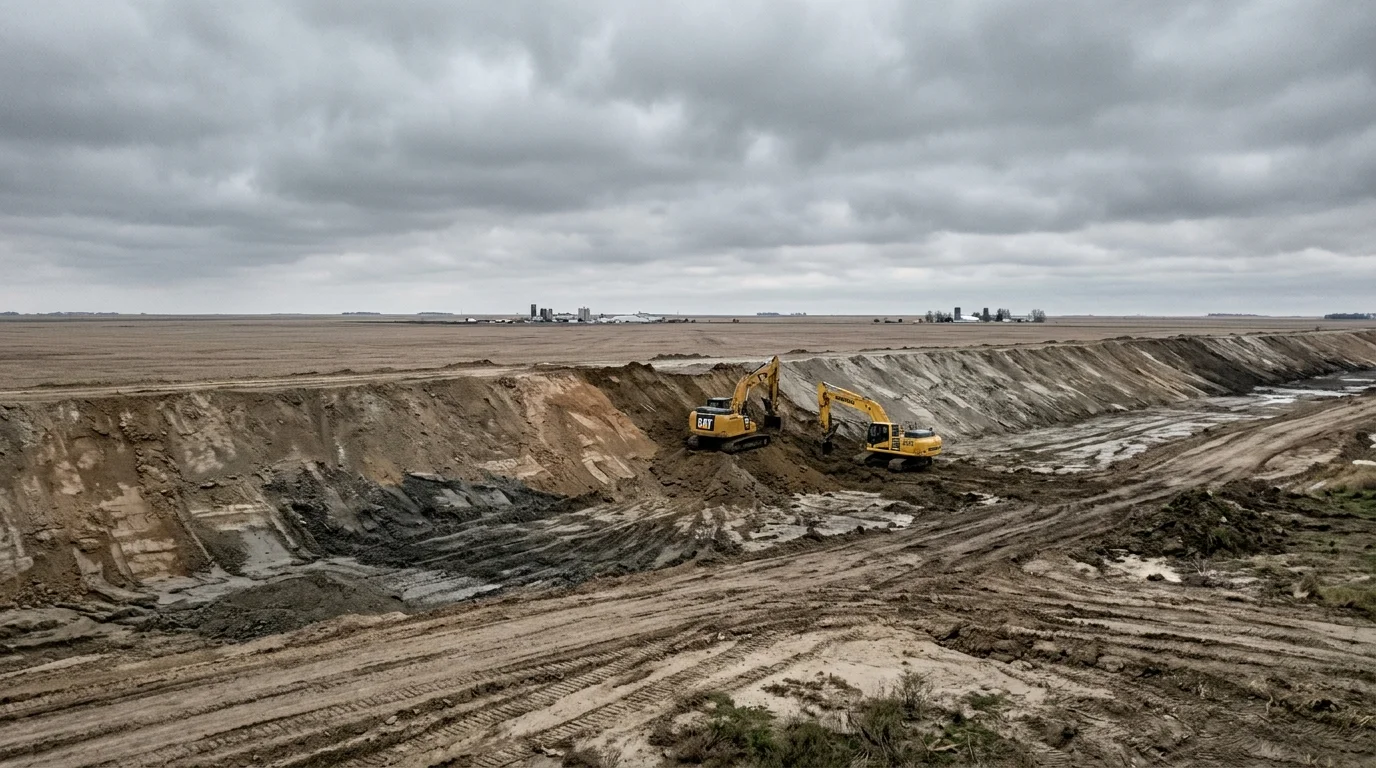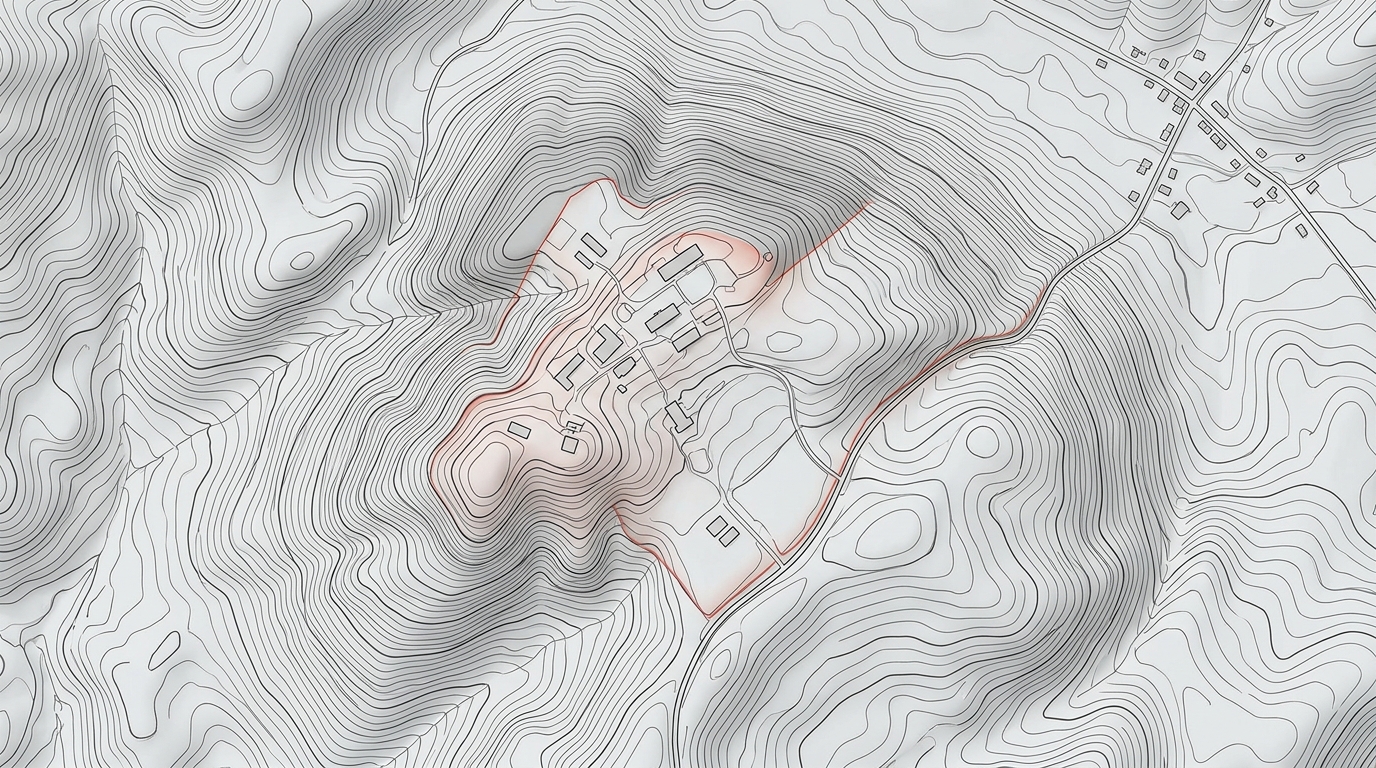
East Montpelier, Vermont is turning to an unlikely piece of land to help solve a housing shortage that predates the devastating 2023 floods and has only grown worse since: the 55-acre campus of the Orchard Valley Waldorf School in the town's North Montpelier village.
The rural town of about 2,600 people has secured a $100,000 competitive federal grant through HUD's Community Development Block Grant Disaster Recovery program to study whether the campus can support intergenerational, affordable, and flood-resilient housing. The money flows from a roughly $229 million CDBG-DR allocation Vermont received after President Biden declared a major disaster following the catastrophic July 2023 floods, which swamped Washington County communities including neighboring Montpelier and damaged hundreds of housing units statewide.
For a small town with lean administrative staff, securing a competitive planning grant signals real urgency. Vermont's rental vacancy rate was already hovering near 3% before the floods, driven by decades of underbuilding, complex permitting under the state's Act 250 environmental review law, and a surge of remote workers arriving during COVID-19. The flood damage shrank an already scarce supply further, and the region's housing market has tightened sharply since.
The Waldorf School campus stands out as a rare opportunity in a town where large, potentially developable parcels are hard to come by. The planned study will examine site conditions, infrastructure capacity, and neighborhood impacts to determine what kind of housing could realistically be built there. The intergenerational framing reflects Vermont's twin demographic pressures: the state has one of the oldest median ages in the country, while younger families and workers are increasingly priced out.
The goal of the feasibility work is to produce a shovel-ready development plan, so that when larger construction funding becomes available, from implementation grants, low-income housing tax credits, or the Vermont Housing Conservation Board, the town can move quickly rather than spending additional years in planning.
The project has already encountered some administrative friction typical of small towns navigating complex federal programs: an original award letter listed a $260,000 match requirement that was later confirmed to be an error, with a corrected agreement in the works. Any firm hired to lead the study will need a federal SAM.gov registration and a Unique Entity Identifier before the town can execute a contract.
Whether housing actually gets built on the Waldorf campus depends on what the study finds and how the community responds. Vermont's town meeting tradition means residents will have a direct voice if the project moves forward beyond the planning stage.