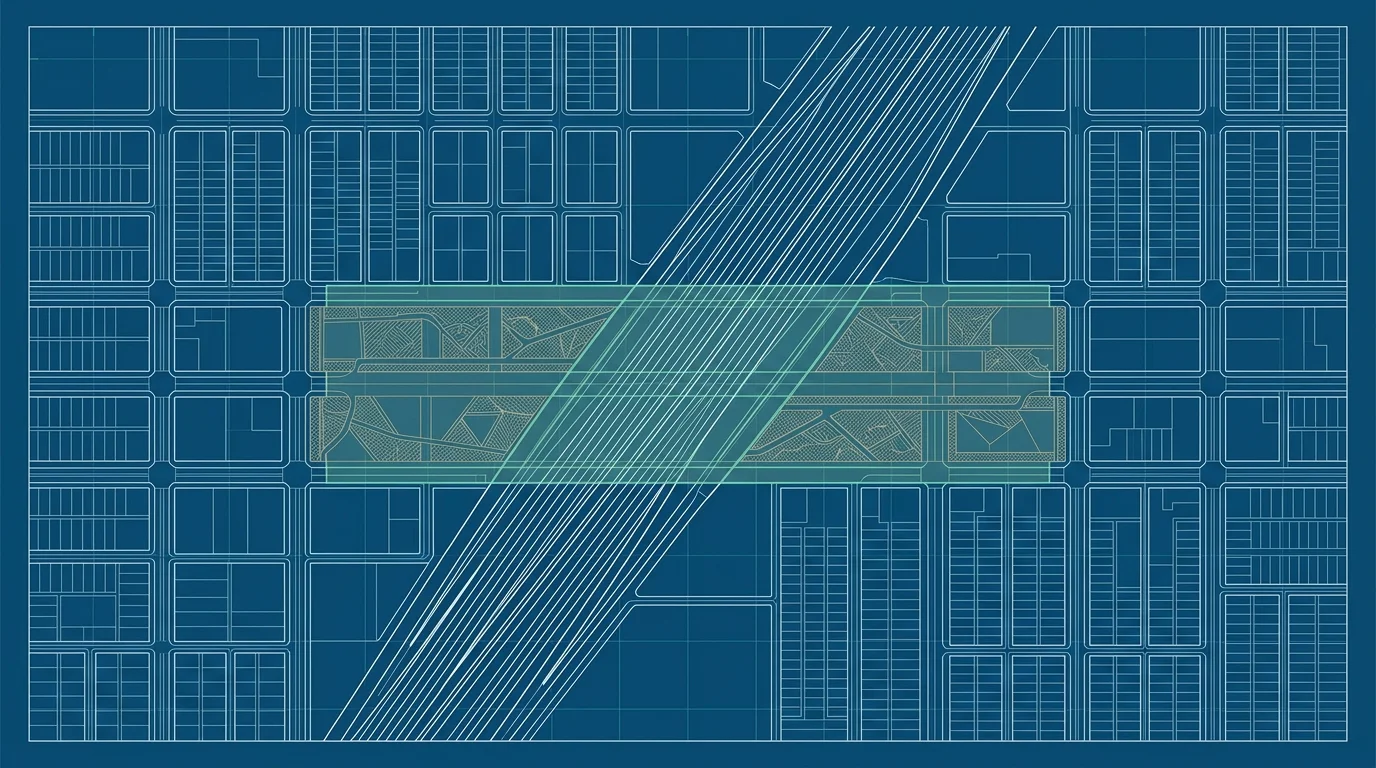
Harris County, Texas is launching a study into whether a park built over a stretch of the Katy Freeway could reconnect neighborhoods that have been physically severed by one of the widest highways on Earth, using a $2 million federal planning grant from the Department of Transportation's Reconnecting Communities Pilot program.
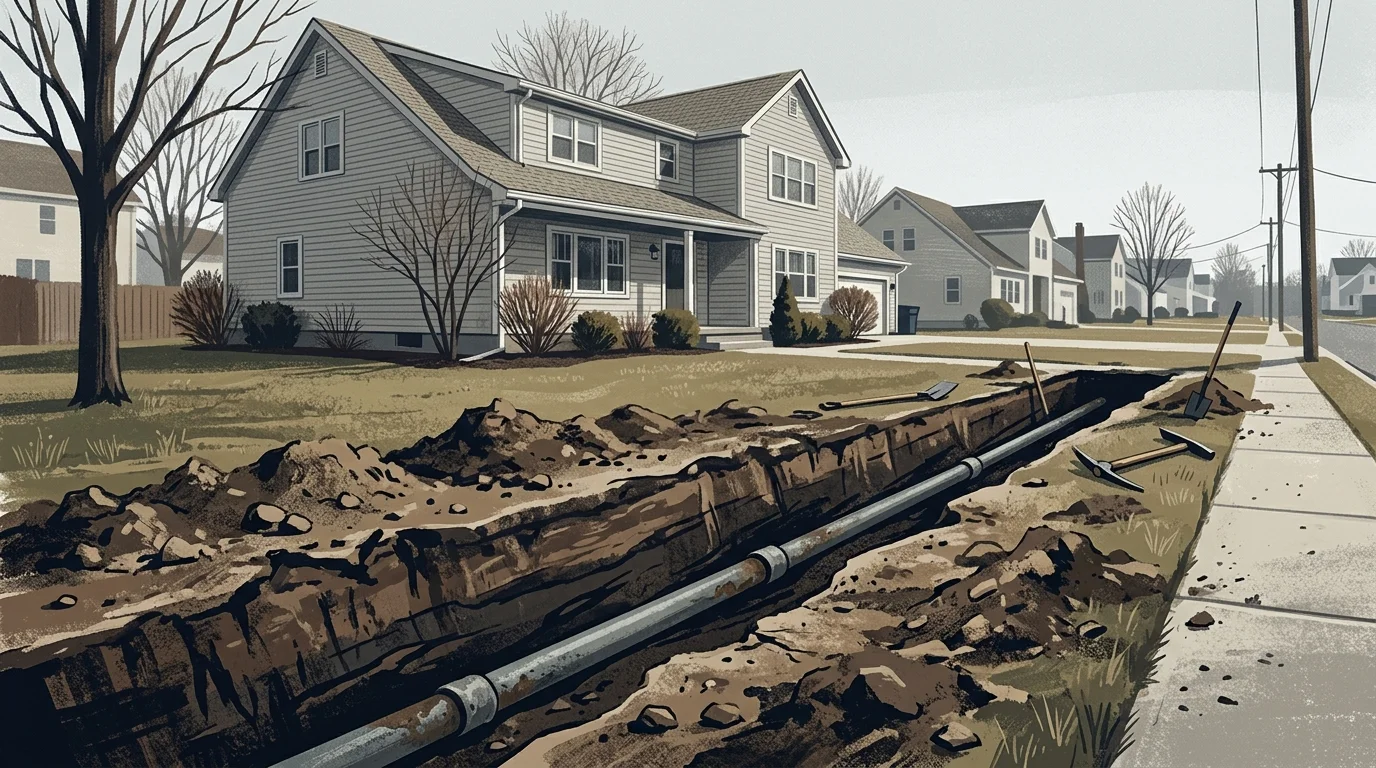
The Katy Freeway, the section of I-10 running west from downtown Houston, spans up to 26 lanes including frontage roads after a massive expansion completed in 2008. The original freeway was carved through established inner-west Houston neighborhoods in the 1960s, a pattern repeated across the country as highway planners routinely routed interstates through Black, Latino, and low-income communities where land was cheaper and political resistance weaker. Decades later, those barriers remain.
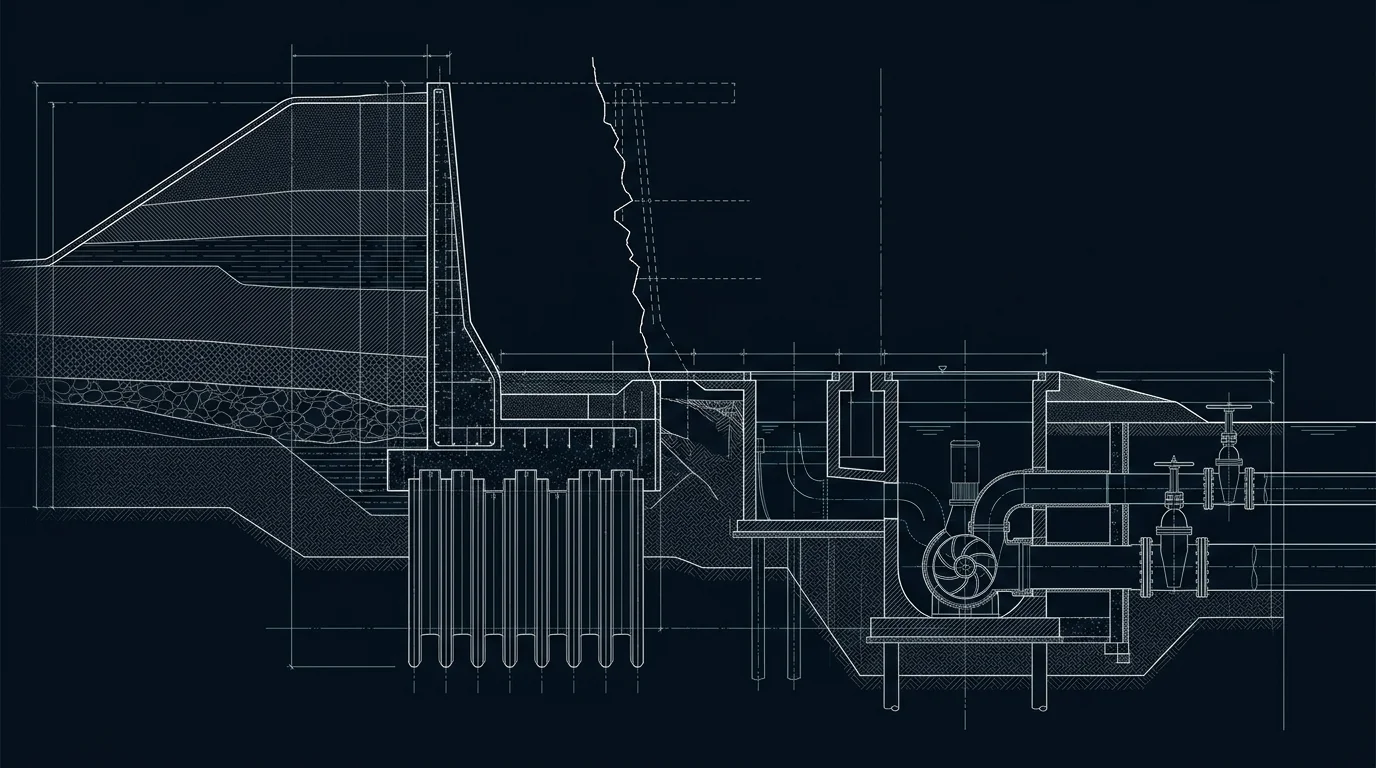
The concept Harris County will study is a cap park: a deck built over a section of freeway to create green space, bike and pedestrian connections, and potentially spur development on both sides. The idea has gained traction nationally since Dallas opened Klyde Warren Park over the Woodall Rodgers Freeway in 2012, a project widely credited with catalyzing billions in surrounding development. Atlanta, Cincinnati, and other cities are pursuing similar projects. Houston has explored cap concepts for I-45, I-69, and I-10 for years, with various community groups pushing for action.
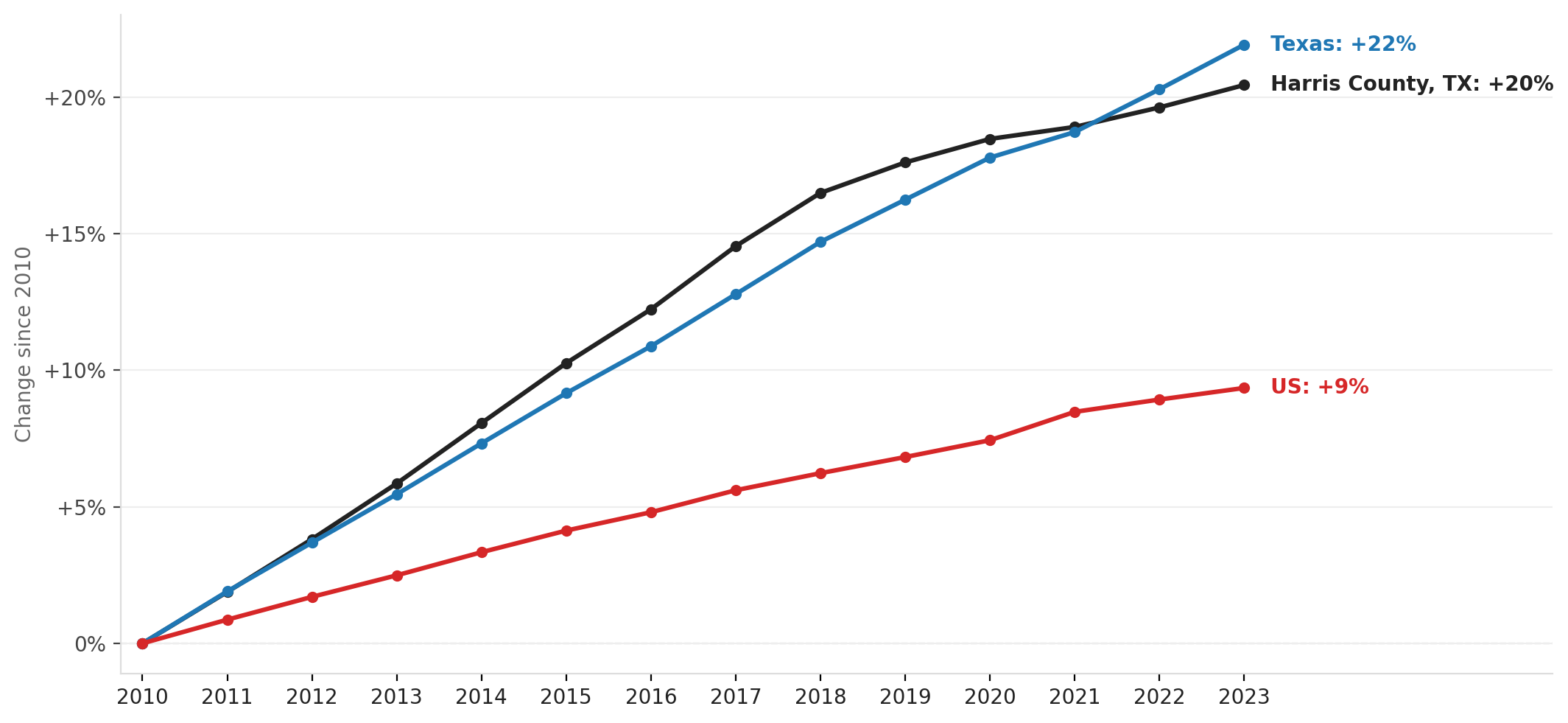
Source: U.S. Census Bureau, American Community Survey.
This grant funds only the study, not construction. The work would assess feasibility, develop design concepts, and gather community input before the county could seek a much larger capital grant to actually build anything.
The funding comes from the Reconnecting Communities Pilot program, created by the 2021 Bipartisan Infrastructure Law as the first dedicated federal effort to address the highway damage done to urban neighborhoods in the mid-20th century. The program has distributed billions across the country for both planning and construction projects.
The timing carries some uncertainty. The grant is designated for fiscal year 2024 but appeared in federal spending records in April 2026, after the change in presidential administration. The Reconnecting Communities program was a signature Biden-era equity initiative, and it is worth noting that some grants under the program have faced scrutiny or delays under the Trump administration. Whether this award is fully protected from any future review is unclear.
For Harris County, which encompasses most of Houston and nearly 4.8 million people, the project also addresses needs beyond reconnection. Houston has limited green space per capita, extreme summer heat, and chronic flooding challenges that a cap park with green infrastructure could help address. The study will determine whether those benefits, combined with the reconnection case, make a construction project worth pursuing.