Pennsylvania is upgrading its statewide shared-ride transit platform to reach older adults and people with disabilities who have been locked out of the system because they don't own a smartphone, using $925,000 in federal funding to add AI-powered phone booking and connect riders to social services.
The state's Find My Ride platform already gives riders a single digital interface to book trips across Pennsylvania's unusually comprehensive network of shared-ride providers, which spans all 67 counties. But for many of the seniors and disabled residents the service is designed to help, internet access is not a given. The new grant from the Federal Transit Administration's Section 5310 program funds an AI-driven interactive voice system that lets people book rides over a regular phone call, no internet required.
The timing reflects a real demographic squeeze. Pennsylvania has roughly 20 percent of its population aged 65 or older, one of the highest shares in the country, and that group is growing fastest in rural areas where fixed-route bus service barely exists. Many of those residents depend on shared-ride programs to get to medical appointments, grocery stores, and other basic necessities. State officials have noted that keeping people mobile can stave off far more expensive interventions, like full-time nursing care.
At the same time, Pennsylvania's transit agencies have struggled to keep dispatchers and drivers on staff. By enabling more riders to book trips themselves, the upgrades are also meant to ease the administrative burden on small county transit authorities operating on thin margins.
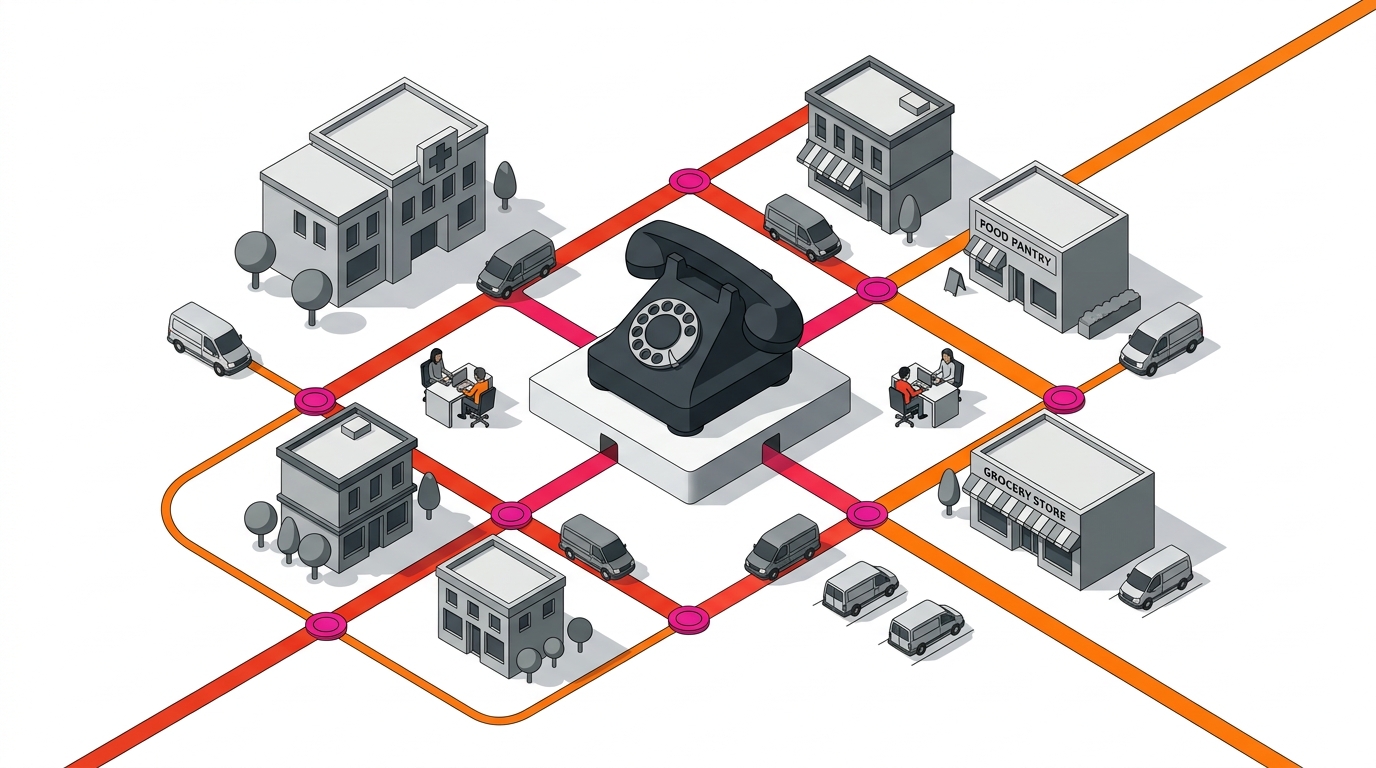
A second major piece of the project is an integration with PA 211, the United Way's statewide social services hotline that fields millions of calls annually on housing, food, and health needs. PennDOT will work with United Way of Pennsylvania to create automatic handoffs between the two systems, so a caller who needs a ride to a food pantry can be transferred directly to transit booking, and a Find My Ride user who surfaces a housing need can be pointed to 211. The referral gap between transportation and social services has long been a weak spot in the human services safety net.
PennDOT plans to stand up an advisory group to shape the enhancements and will build the platform improvements using internal state IT staff. Similar federal investments have helped states like Oregon expand mobility options for rural seniors where conventional transit falls short.
The AI phone booking feature and 211 integration are still in development. How quickly riders will see the changes depend on how the state moves through procurement and build-out, though no public timeline for completion has been announced.