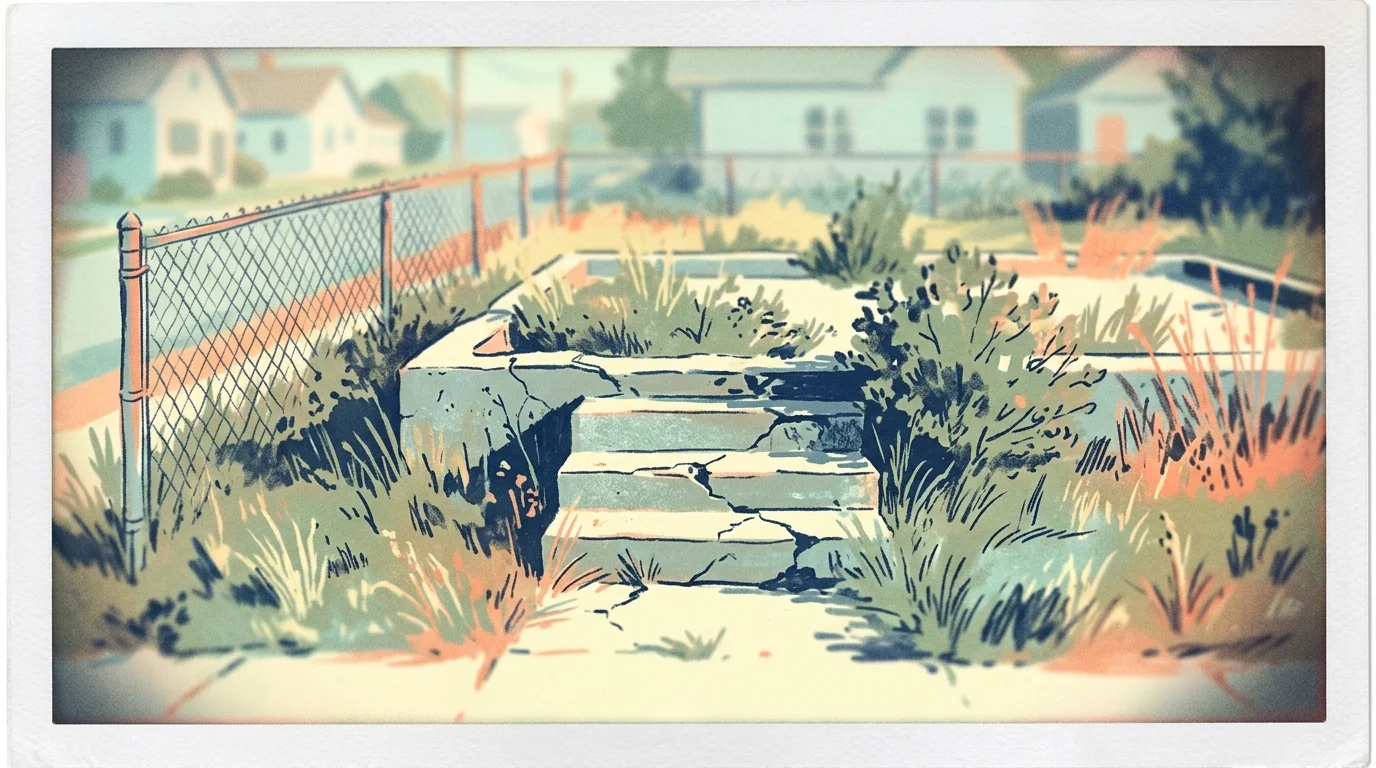
Panama City, Florida is moving to demolish flood-vulnerable homes in neighborhoods still scarred by Hurricane Michael, launching a voluntary buyout program that would clear properties rather than see them rebuilt and damaged again.
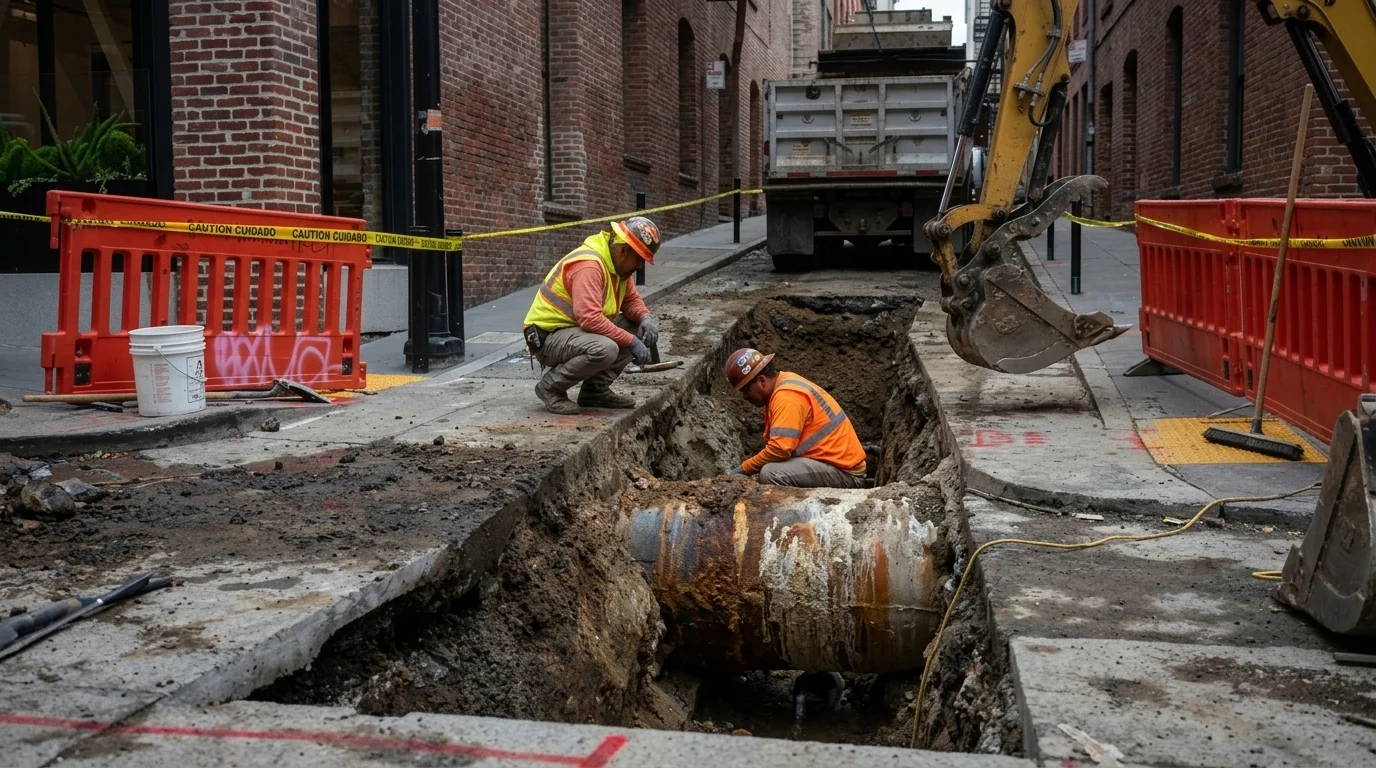
The program targets residential structures identified as high-risk, with the city hiring a demolition contractor to tear down homes acquired from willing sellers. Under federal rules governing these buyouts, the cleared land must be preserved as permanent open space and cannot be developed again, effectively shrinking the city's footprint away from its most hazard-prone areas.
The timing underscores how slowly disaster recovery actually moves. Hurricane Michael made landfall near Panama City on October 10, 2018, as a Category 5 storm with 160 mph winds, the strongest hurricane to ever strike the Florida Panhandle and among the most powerful to hit the continental United States. It destroyed or severely damaged thousands of homes in a city of about 36,000 people, with lower-income neighborhoods including Glenwood and Millville absorbing some of the worst damage. Eight years later, some of those properties are only now reaching the demolition phase.
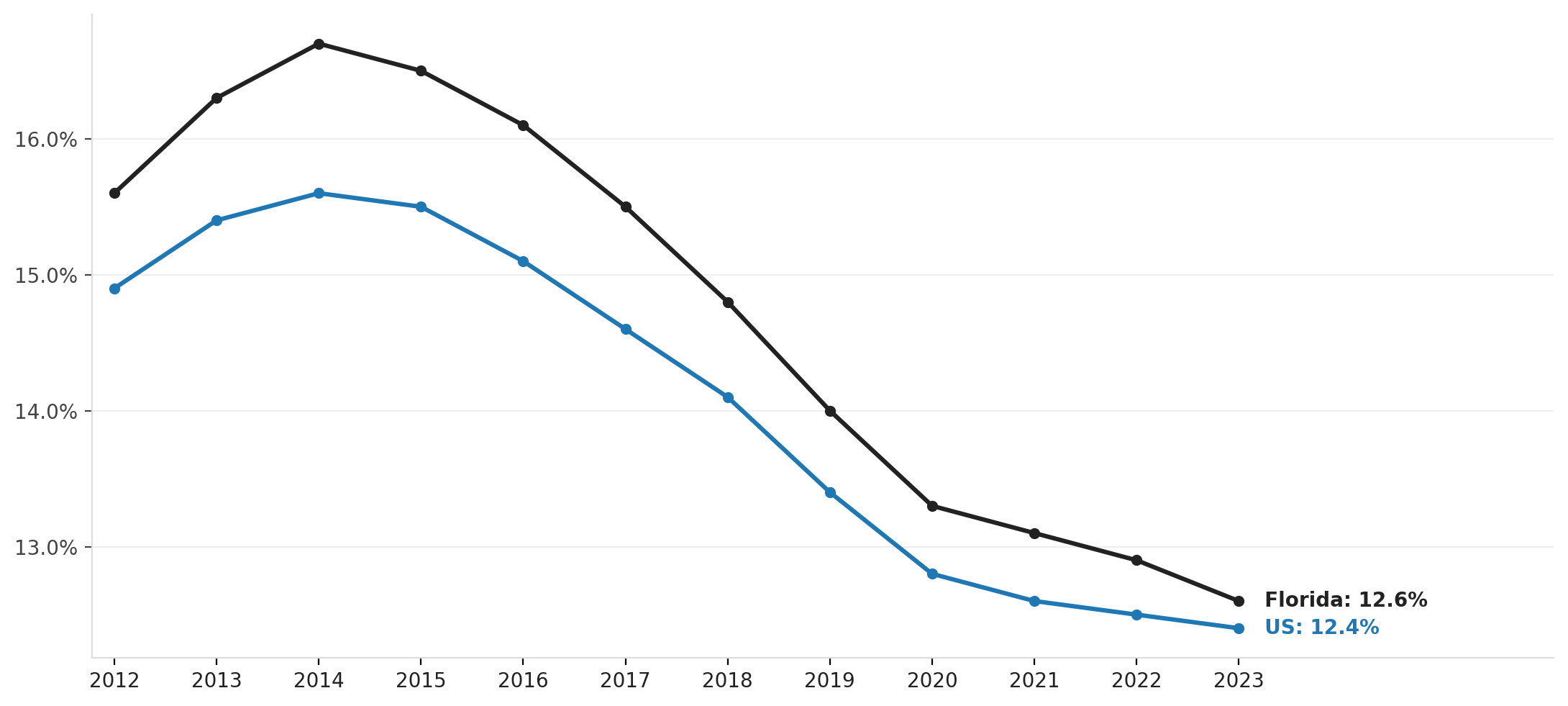
Source: U.S. Census Bureau, American Community Survey.
That lag is not unusual. Voluntary buyout programs, typically funded through FEMA's Hazard Mitigation Grant Program or HUD's Community Development Block Grant Disaster Recovery program, routinely take five to ten years from disaster to demolition. Environmental reviews, property appraisals, title searches, and the voluntary nature of the process, which means the government can only buy from willing sellers at pre-disaster fair market value, all slow things down. Florida received roughly $735 million in HUD disaster recovery funds following the Hurricane Michael disaster declaration, administered through the state and filtered to local programs over years.
The approach has bipartisan practical support even as it carries real tradeoffs. For residents still struggling with Florida's insurance crisis, where private insurers have largely retreated from the Panhandle market and premiums have soared, a buyout offer may be the most viable exit from a property that has become uninsurable or unaffordable to maintain. For others, especially in historically rooted neighborhoods, selling means leaving behind community ties that survived the storm itself.
The buyout solicitation posted June 3 covers a specific cluster of properties designated HS012 in the city's broader buyout plan, suggesting additional phases are likely to follow as the program works through its inventory of acquired homes.