Southwest Virginia's rural water systems, many of them knocked offline or severely damaged when Hurricane Helene tore through the region in September 2024, are getting $1 million in federal help to rebuild and harden against future storms.
The EPA grant, awarded to the Virginia Department of Health under the Safe Drinking Water Act's emergency response authority, arrives roughly 18 months after Helene made landfall as a Category 4 storm near Perry, Florida, then pushed deep inland, channeling floodwaters through the narrow mountain valleys of Appalachian Virginia with devastating force. Communities in Tazewell, Grayson, Smyth, and surrounding counties went days or weeks without reliable drinking water. VDH issued boil-water advisories across the region.
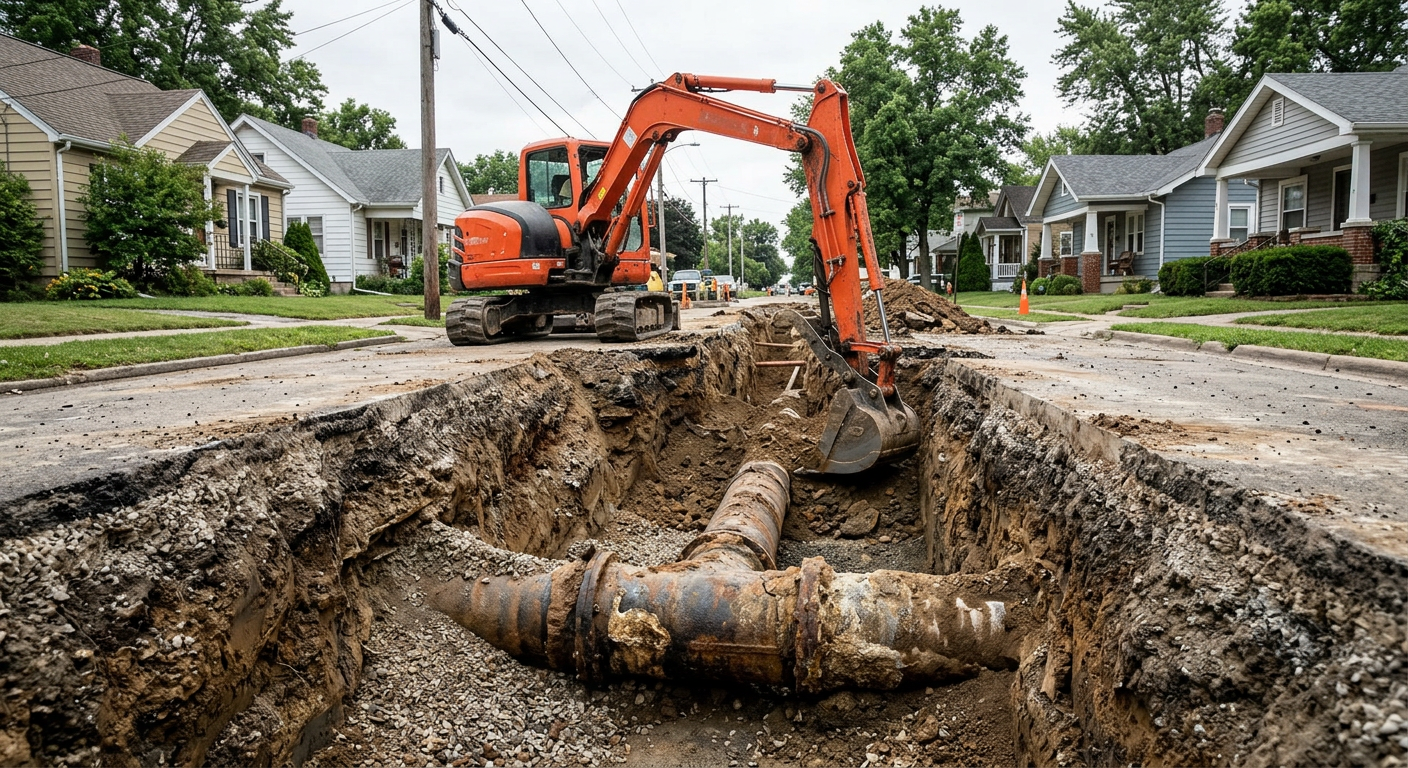
The funding will pay for engineering assessments, emergency repairs, staff training, and direct technical assistance to affected water systems. But the goal runs deeper than patching storm damage. Federal officials and VDH are using the recovery as an opportunity to build what they call "technical, managerial, and financial capacity" in systems that were struggling long before Helene arrived.
That pre-existing fragility is hard to overstate. Southwest Virginia's coalfield counties, including Buchanan, Dickenson, Wise, and Tazewell, have shed population for decades as the coal industry contracted. Smaller customer bases mean less revenue, which means deferred maintenance, which means older, more brittle pipes and treatment facilities. Many of the systems in this region serve fewer than 3,300 people, a threshold that puts them in the EPA's "small systems" category, historically the hardest to keep compliant and solvent. The American Society of Civil Engineers has long graded U.S. drinking water infrastructure at C- or worse, and rural Appalachian systems sit near the bottom of that curve.
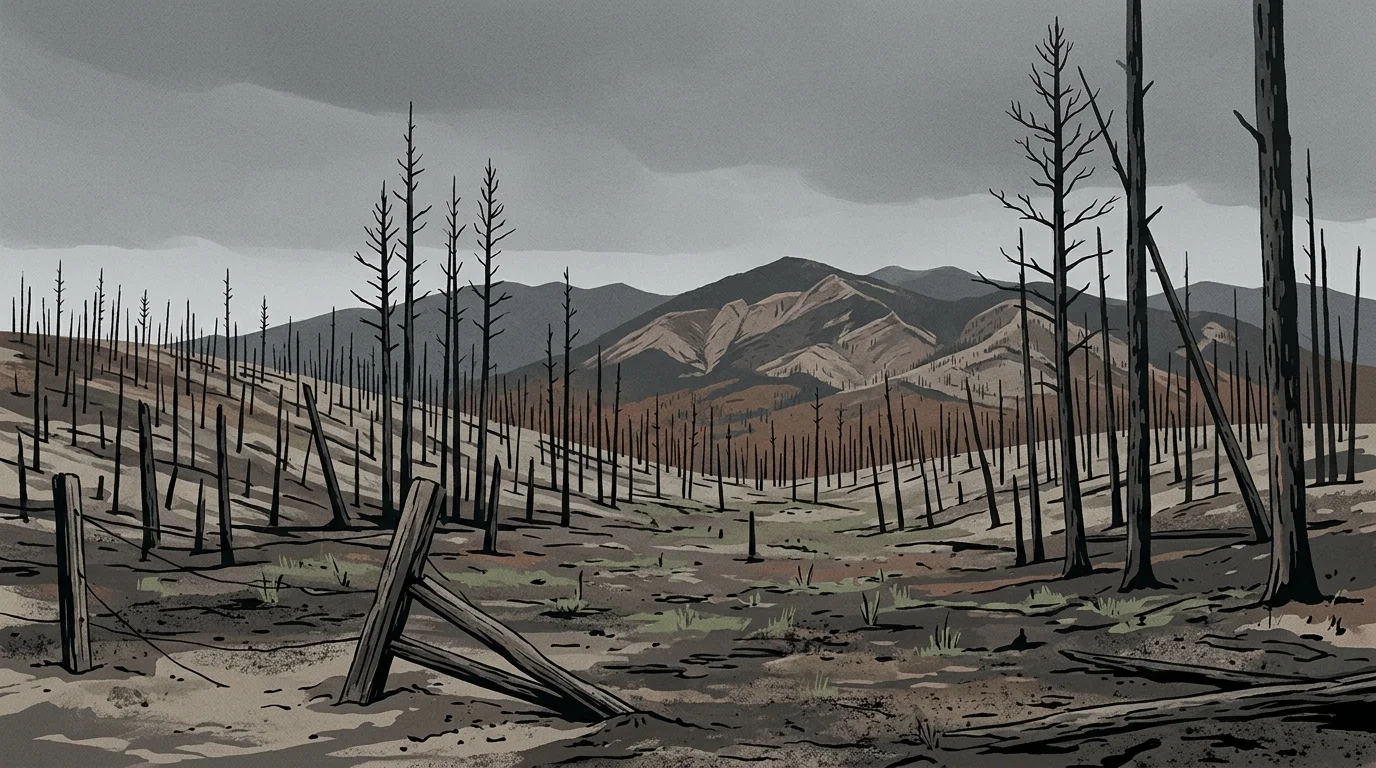
Helene exposed those vulnerabilities dramatically. While national coverage centered on western North Carolina, Virginia's mountain communities suffered catastrophic flooding and mudslides that hit water infrastructure especially hard: pipes and treatment plants tend to sit in valley bottoms, exactly where Appalachian floodwaters concentrate.
This EPA grant is one targeted piece of a much larger federal recovery effort that has included FEMA disaster aid, SBA loans, and HUD community development funding. Whether $1 million is enough to make a lasting difference in a region with this many underfunded systems remains an open question. Virginia has roughly 2,800 public water systems statewide, and many of the smallest and most vulnerable ones lie in the counties Helene hit hardest.
The timing of the grant, posted April 1, 2026, may itself prompt scrutiny. Eighteen months is a long interval between a catastrophic storm and assistance specifically aimed at water system recovery, and local officials in southwest Virginia have been vocal about the slow pace of federal aid across multiple programs.
VDH will manage the work directly, procuring engineering services and coordinating technical assistance. The grant's scope spans both EPA Regions 3 and 4, which together cover Virginia and several neighboring states, suggesting the effort may be part of a broader multi-state Helene response.