Chapel Hill, North Carolina eliminated bus fares more than two decades ago, removing the cost barrier that keeps many people off public transit. Now the town is using a $361,000 federal grant to tackle what's left: bus stops in the historic downtown that still lack the basic accessibility features required under the Americans with Disabilities Act.
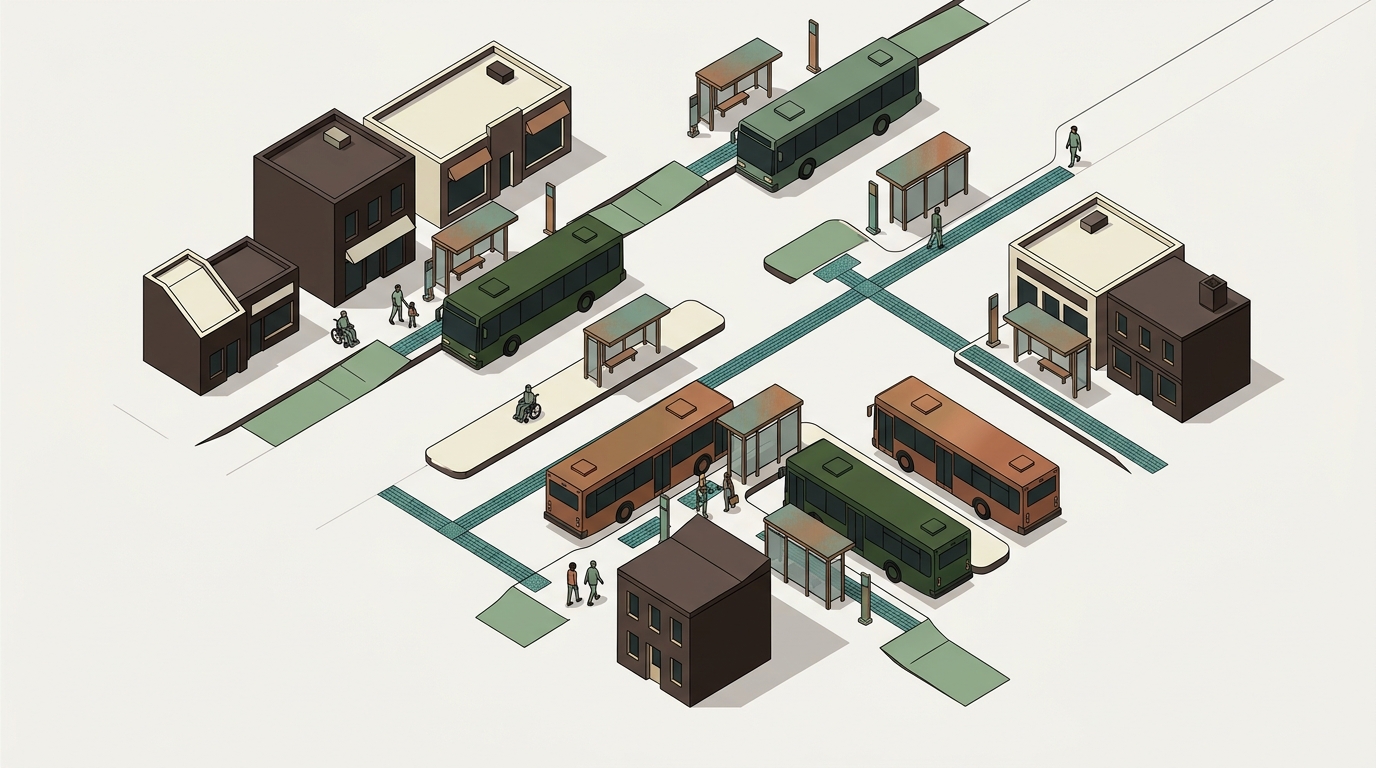
The upgrades will bring ADA-compliant shelters, benches, and curb cuts to high-volume stops in a corridor that sees heavy foot traffic from the University of North Carolina at Chapel Hill, which enrolls about 30,000 students and employs more than 13,000 people. Many of those stops predate ADA standards, and the narrow streets and older infrastructure of downtown Chapel Hill have made upgrades slow to materialize.
What makes this stretch of stops more than a local issue is what passes through them. Four separate transit systems use these stops: Chapel Hill Transit, Orange County Public Transportation, GoTriangle, and the Piedmont Authority for Regional Transportation, which connects the Research Triangle to the Piedmont Triad region further west. That makes downtown Chapel Hill a de facto regional transfer hub, and an inaccessible stop doesn't just inconvenience a Chapel Hill rider — it can break a longer trip entirely.
Chapel Hill Transit has operated fare-free since 2002, making it one of the largest such systems in the country. That model removes financial barriers but puts more weight on physical infrastructure: when there's no fare, an inaccessible stop is the primary thing standing between a disabled rider and the bus. Similar thinking has driven pedestrian and transit improvements elsewhere, like Houston's recent effort to build sidewalks alongside its existing light rail corridor, where the infrastructure around stops mattered as much as the service itself.
The funding comes from the Federal Transit Administration's Section 5307 Urbanized Area Formula program, which was boosted significantly under the 2021 Bipartisan Infrastructure Law. Transit ridership in Chapel Hill dropped sharply during the pandemic and has been recovering, and stop improvements are part of a broader effort to make the system more reliable and welcoming as that recovery continues.
The town has not announced a construction timeline publicly, but the grant was posted in late March 2026, and procurement for the stop upgrades would be the next step.