In the woods, cars, and scattered encampments of Northern Michigan's wine country and lakefront resort communities, a population most visitors never see is going without basic medical care. Munson Medical Center in Traverse City is working to change that, using a $145,045 federal grant to train the next generation of family medicine doctors to bring healthcare directly to homeless patients across six rural counties.
The grant, funded through a Health Resources and Services Administration program specifically designed to embed street medicine into physician training, will expand Munson's existing TC Street Medicine initiative into a formal residency curriculum. Every family medicine resident in the program will complete required clinical rotations that take them into mobile medical units, shelter-based clinics, and outdoor encampments across Antrim, Crawford, Grand Traverse, Kalkaska, Otsego, and Wexford counties.
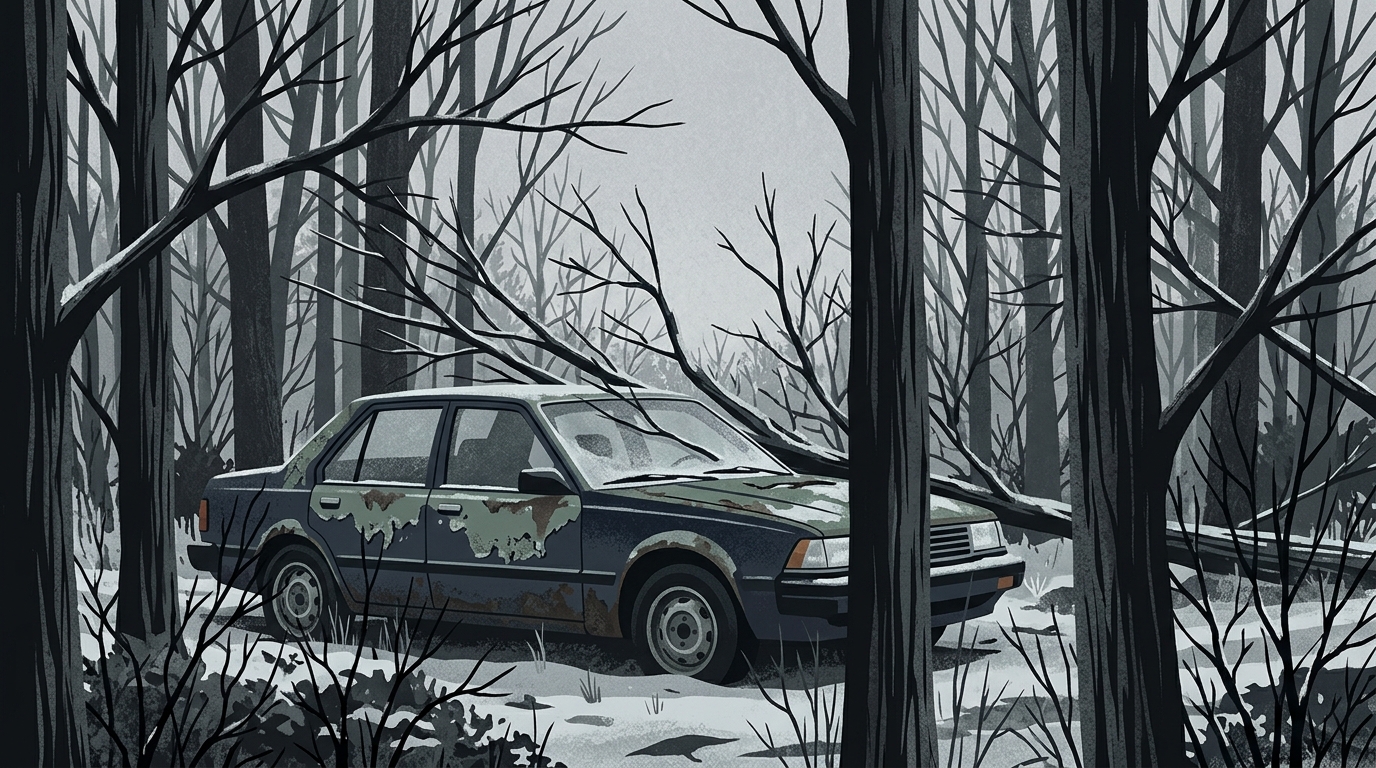
The region's homelessness problem is easy to miss precisely because it looks nothing like the urban version most people picture. The affordable housing crisis that followed COVID-19 hit Northern Michigan especially hard: short-term vacation rentals consumed housing stock, home prices surged, and seasonal tourism jobs left many workers without stable income through the winter. People ended up in cars and the woods in communities that historically had few shelters, little behavioral health infrastructure, and no established tradition of outreach-based care. In January, with temperatures regularly dropping near 15 degrees, unsheltered homelessness here isn't just a social problem; it's life-threatening.
That's where TC Street Medicine, which Munson has been building quietly for several years, comes in. The program sends care teams out to where patients actually are rather than waiting for them to come to a clinic. According to Munson's grant application, TC Street Medicine has achieved a 76% reduction in emergency department utilization among the patients it serves. Given that a single ED visit can cost $3,000 to $5,000 or more, and that rural hospitals like Munson already operate on thin margins, those numbers carry real weight beyond the human stakes.
The new training program goes beyond primary care. Residents will learn addiction medicine and behavioral health, areas of critical need in a region where opioid overdose death rates have tracked or exceeded state averages in several counties. The curriculum also includes medical-legal advocacy and trauma-informed care, and connects residents with mental health professionals, social workers, and addiction specialists as part of a team-based approach.
One of the grant's longer-term bets is a "grow your own" workforce strategy. Research consistently shows that physicians who train in a community are far more likely to stay and practice there. Northern Michigan already faces severe primary care shortages across federally designated Health Professional Shortage Areas in the six-county region. Training residents to serve the area's most vulnerable patients is also, in theory, a way to build a physician workforce that stays.
Residents will also participate in a Rural-Urban Exchange Program, partnering with an urban street medicine operation to expose them to different care models before bringing those lessons back to a rural context that presents its own logistical challenges, including sparse populations, long travel distances, and limited support services.
The grant was posted July 1, 2025, suggesting it cleared any initial federal funding freezes, though the broader HRSA grant landscape faces uncertainty amid ongoing budget pressures in Washington. How many future funding cycles the program can count on remains an open question as the residency curriculum gets built out.