Green Bay, Wisconsin is putting federal money toward electric buses, but the city's brutal winters will quickly reveal whether the investment pays off.
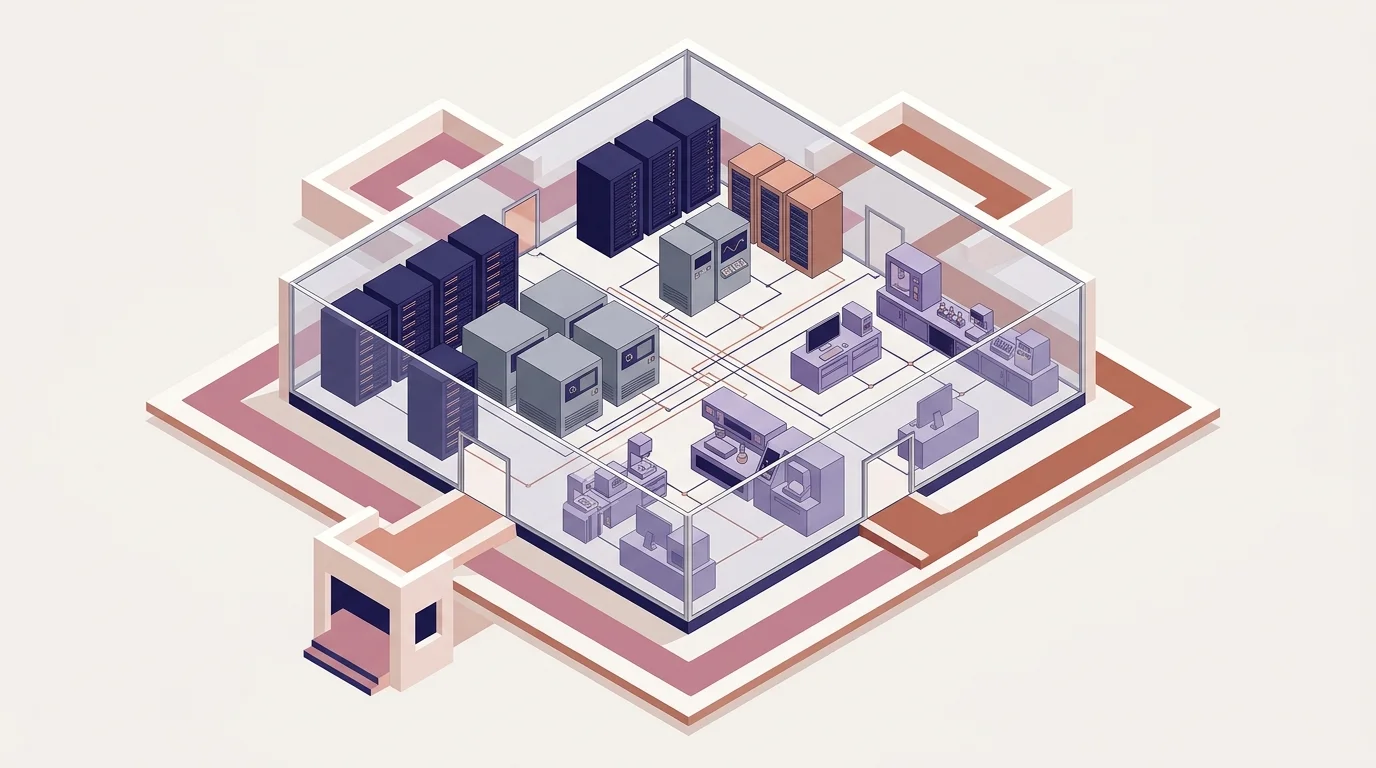
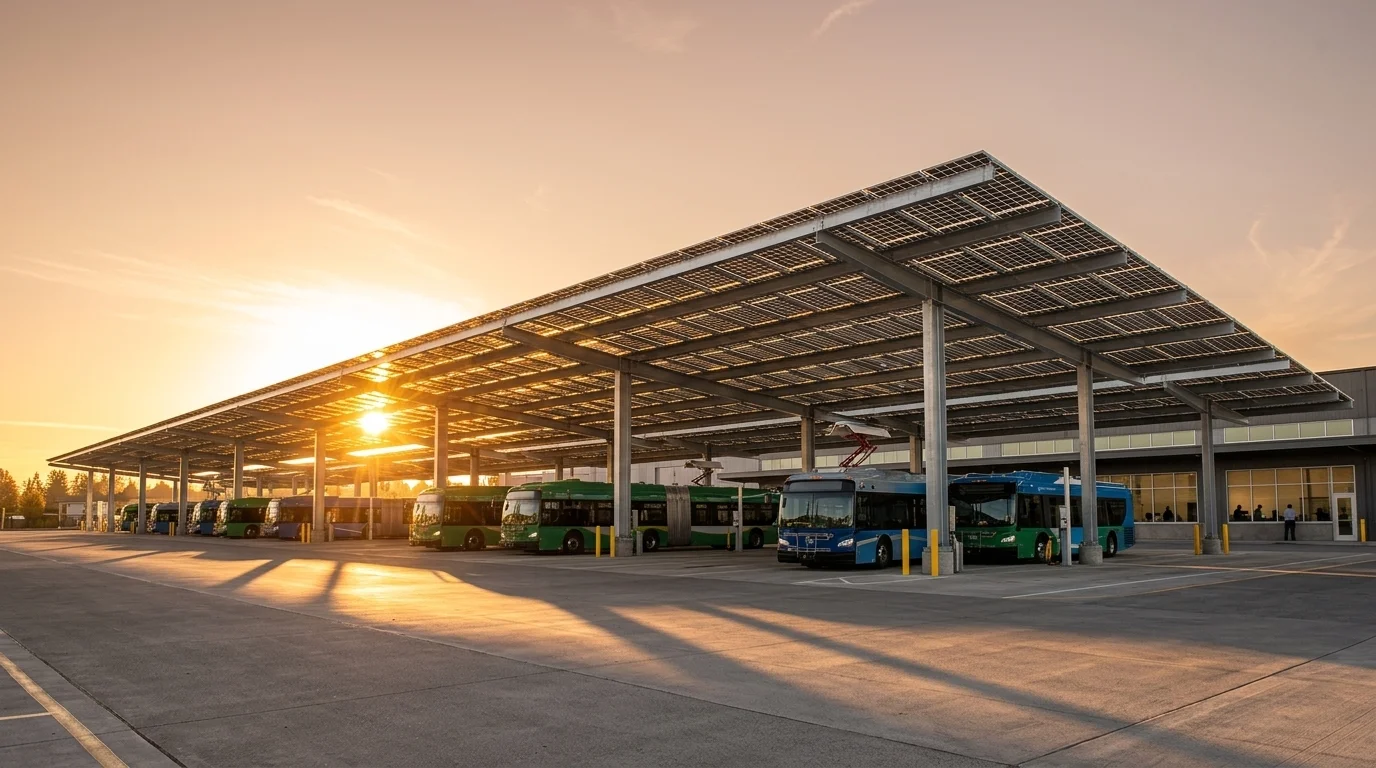
Green Bay Metro has received a $3.1 million federal grant through the Federal Transit Administration's Low or No Emission Vehicle Program to purchase two 35-foot battery-electric buses, install charging equipment at its facility, and train maintenance staff on the new technology. The two diesel buses they replace will be retired from service.
For a system that operates roughly 30 to 35 buses across 15 to 18 fixed routes serving the Green Bay metro area's 175,000 residents, two buses is a modest but meaningful start. The grant, at roughly $1.55 million per bus once charging infrastructure and training are factored in, reflects the real cost of electrification: it's not just buying a new vehicle, it's rebuilding the systems around it.
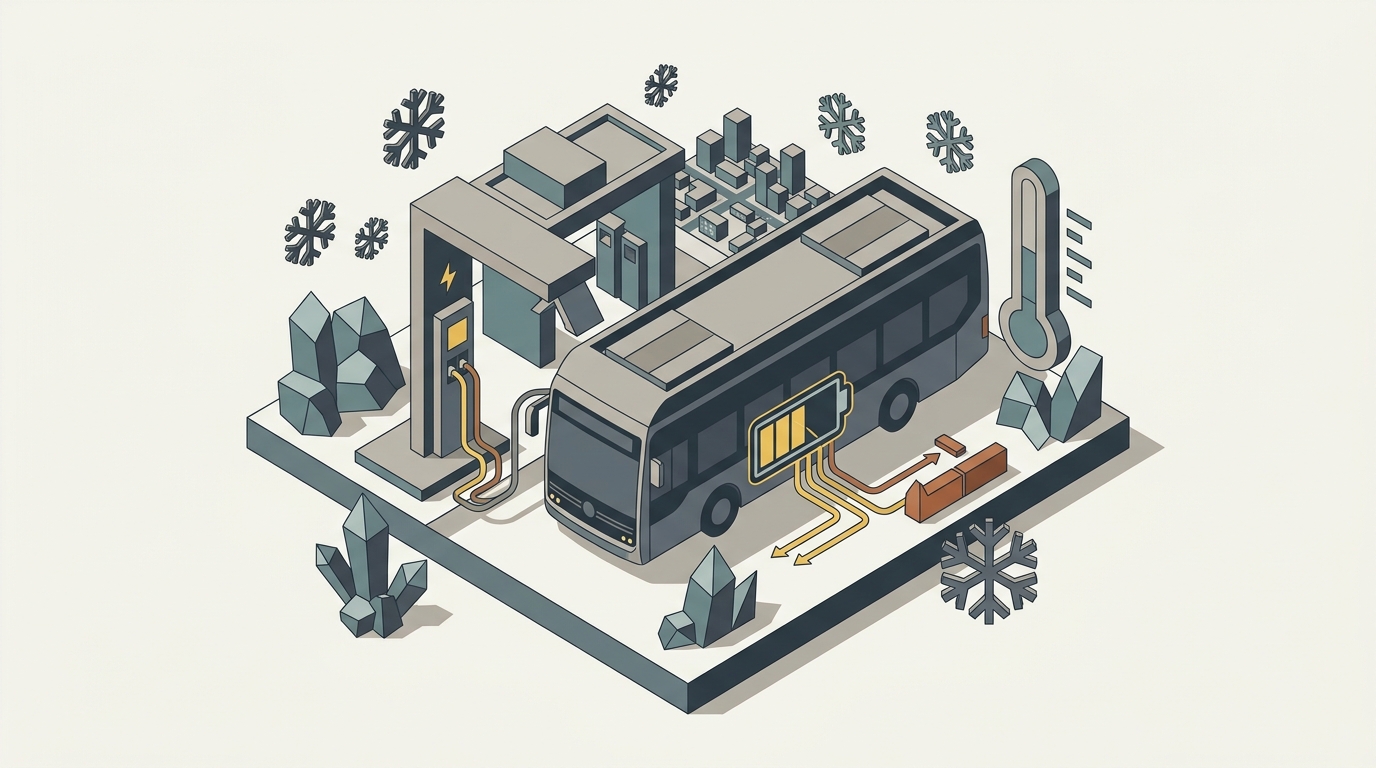
The practical challenge looming over the project is temperature. Green Bay regularly sees lows of -10°F to -20°F in winter, and battery-electric buses are known to lose 30 to 40 percent of their range in extreme cold, a problem transit agencies in Duluth, Minnesota and other northern cities have already encountered. How Green Bay Metro manages that range reduction on its routes will be a closely watched test of whether electrification is workable for small Midwestern transit systems.
The funding comes from the Low-No program, which was dramatically expanded under the 2021 Bipartisan Infrastructure Law to roughly $5.6 billion over five years. That money has pushed electric bus adoption into smaller cities that couldn't previously afford the transition, after early adoption was concentrated in large, well-funded systems like LA Metro. Wisconsin has seen multiple Low-No awards in recent years, including grants to Milwaukee County Transit System and Madison Metro.
The timing of this award carries its own uncertainty. The Trump administration has signaled skepticism toward EV-related federal spending, and there has been industry-wide concern about whether remaining Bipartisan Infrastructure Law funds for programs like this one will continue flowing at the same pace. This grant appears to be among the later waves of awards from that funding cycle.
Green Bay Metro serves a city with a significant Hispanic and Hmong population, communities that rely heavily on public transit to get to work and appointments. Mayor Eric Genrich, a Democrat who has backed climate action planning, has supported the shift toward cleaner transit options.
No timeline for bus delivery or charging installation has been made public yet.