Five rural counties in Washington State are getting new buses thanks to a $4 million federal grant, arriving at a moment when the state's own clean transportation funding has collapsed following last year's repeal of the Climate Commitment Act.
The money flows through the Federal Transit Administration's Section 5339 program to five transit systems: Columbia County Public Transportation, Grays Harbor Transportation Authority, Island Transit (Island County), Jefferson Transit Authority, and Lewis County Transit Special Mobility Services. Washington's Department of Transportation is distributing the funds as a pass-through, letting each agency choose what to buy based on local needs.
That flexibility matters in places like these. The buses being purchased will include a mix of low-emissions, zero-emissions, diesel, and gas-powered vehicles, reflecting a practical reality that rural transit agencies face: charging infrastructure is sparse, routes are long, and terrain can be extreme. The one-size-fits-all push toward full electrification that works in Seattle doesn't necessarily translate to the Olympic Peninsula or the remote southeastern corner of the state. For comparison, similar federal bus grants in places like Pueblo, Colorado have leaned heavily electric, while rural Maryland systems faced many of the same infrastructure constraints Washington's counties are navigating now.
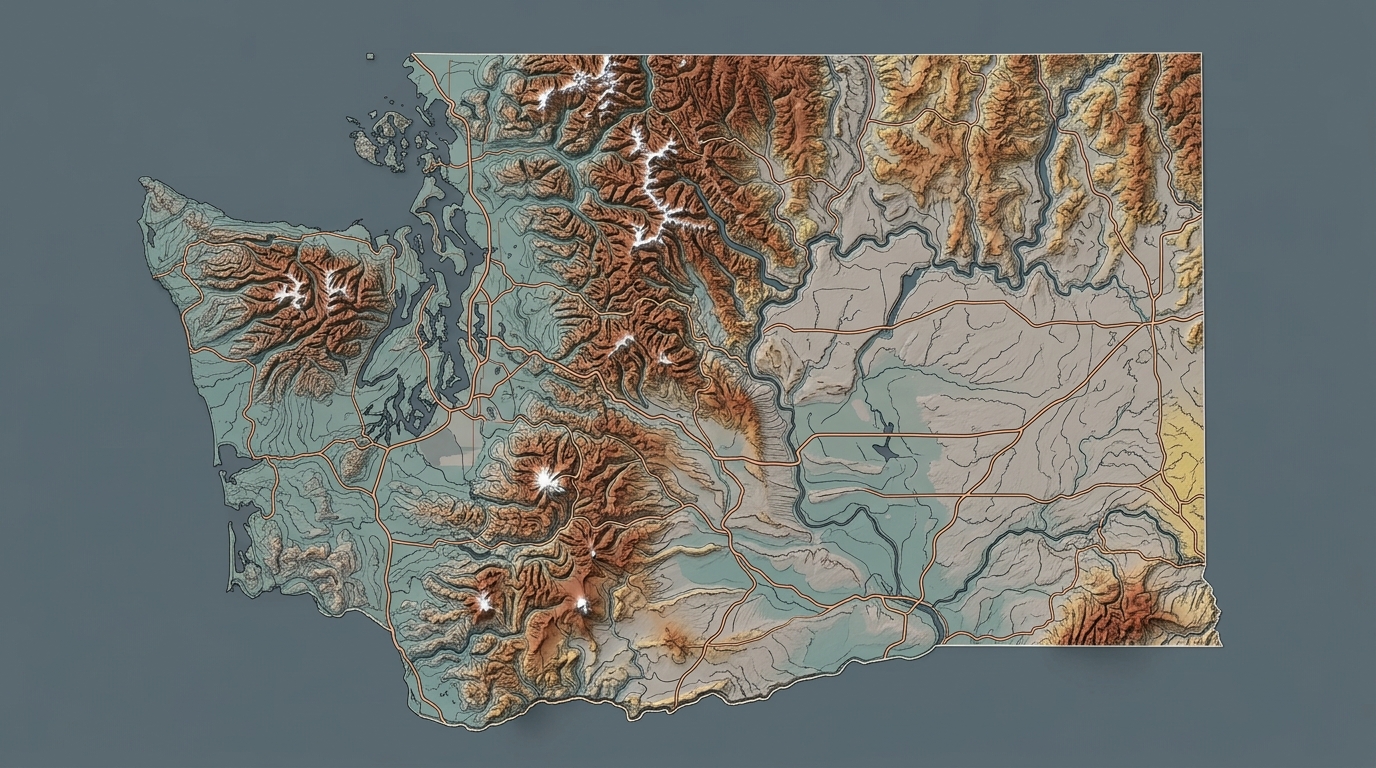
For the communities involved, these buses are far more than a transportation convenience. Columbia County has roughly 4,000 residents, making it the least populous county in the state. Grays Harbor, a former timber economy on the coast, and Lewis County along the I-5 corridor both have large shares of elderly and low-income residents who depend on transit for medical appointments and basic services. Island Transit, which serves Whidbey Island and has operated fare-free since 1987, is one of the most unusual transit systems in the country. Jefferson County's transit connects Port Townsend and the broader Olympic Peninsula, where car ownership gaps are significant.
Nationally, roughly 24 percent of the public bus fleet has exceeded its useful life, and the problem is concentrated in rural systems like these, where farebox revenue is minimal and local tax bases are thin. Federal formula funds typically cover 80 percent or more of capital costs for small rural agencies that couldn't otherwise afford replacement cycles.
The timing adds another layer. Washington voters repealed the state's cap-and-invest Climate Commitment Act in November 2024, eliminating an estimated $2 billion or more in clean transportation funding over four years. The state's 2025-2027 transportation budget is already under pressure. That makes federal pass-through dollars like this grant increasingly critical for rural systems that have few other options for fleet renewal.
Each of the five agencies will now move to procure vehicles, either through their own process or via the state's cooperative master contract.