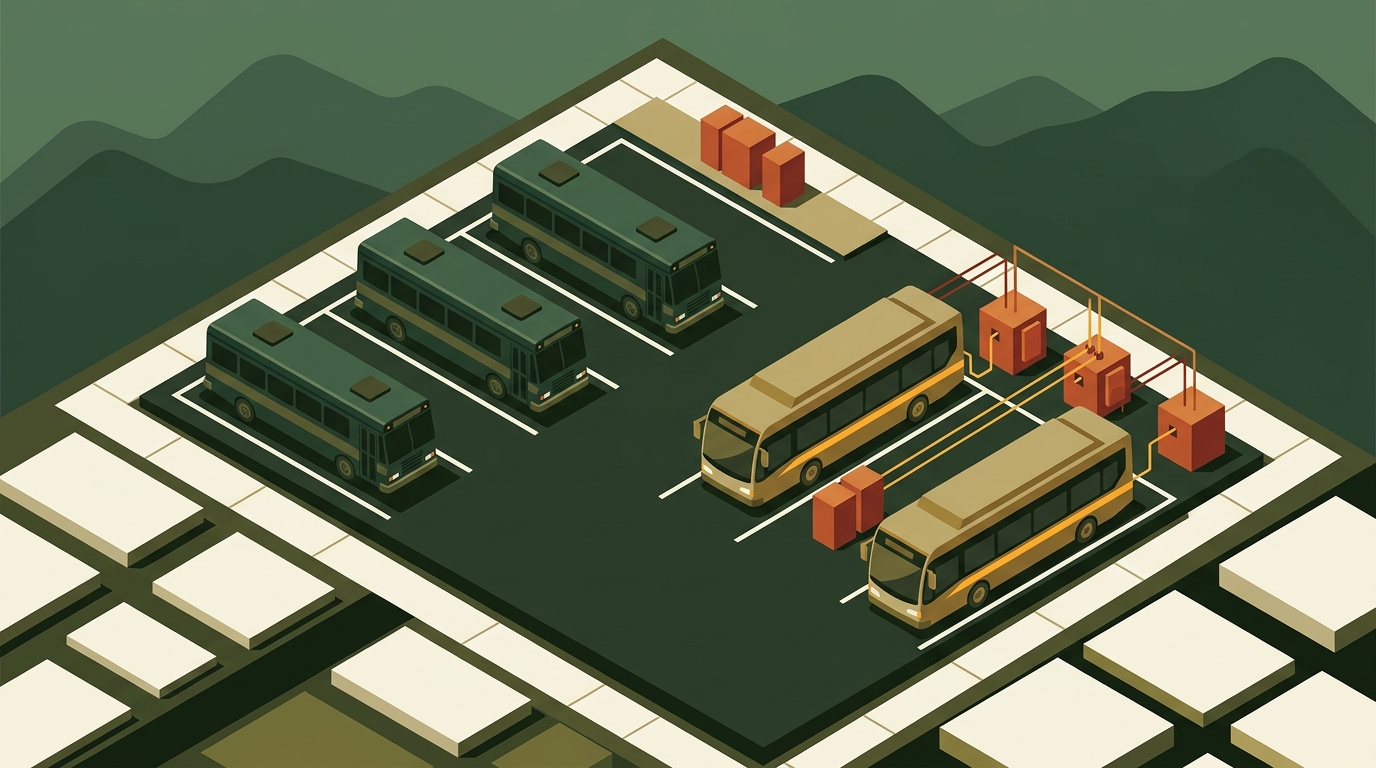
Pueblo, Colorado is getting $15.7 million in federal funding to overhaul its aging bus fleet with zero-emission vehicles, a long-overdue upgrade for a transit system serving roughly 113,000 residents in one of the state's most economically struggling cities.
The grant from the Federal Transit Administration will pay for both replacement and expansion buses along with the charging and maintenance infrastructure needed to run them. It also includes workforce training, an increasingly critical piece of the electric transition: technicians who spent careers maintaining diesel engines need new skills to handle high-voltage battery systems, and without that training, new electric buses can sit idle.
For Pueblo Transit, the stakes are unusually high. The city's median household income hovers around $44,000, well below the Colorado statewide average of roughly $82,000, and its population is majority Hispanic and Latino. Transit riders here typically don't have a car to fall back on. When a bus breaks down or a route is unreliable, people miss work and medical appointments. The service area extends beyond city limits into Salt Creek, a low-income unincorporated community to the east with few transportation alternatives.
Aging buses have been a chronic problem for smaller transit agencies across the country. Unlike large metro systems, agencies like Pueblo's lack the capital budgets to stay ahead of fleet wear, and federal data consistently shows that small urban systems have some of the highest rates of buses running past their useful life, typically 12 to 14 years for heavy-duty vehicles.
The funding flows from the FTA's Low or No Emission Vehicle program, which was dramatically expanded under the 2021 Bipartisan Infrastructure Law to roughly $1.1 billion per year. Whether future rounds of that funding continue is an open question: the current administration has expressed skepticism toward electric vehicle mandates, though this award, posted March 24, 2026, indicates the pipeline is still moving.
The electric transition carries its own risks for a city at Pueblo's elevation and latitude. Cold winters can significantly reduce battery range, a challenge that has tripped up some early adopters. As Green Bay discovered with its first electric buses, the technology works, but winter performance requires careful planning. Pueblo's semi-arid, high-altitude climate adds a variable that fleet managers will need to account for.
Pueblo Transit has not announced a timeline for vehicle delivery or a specific number of buses to be purchased. Those details will likely emerge as the agency moves through procurement.