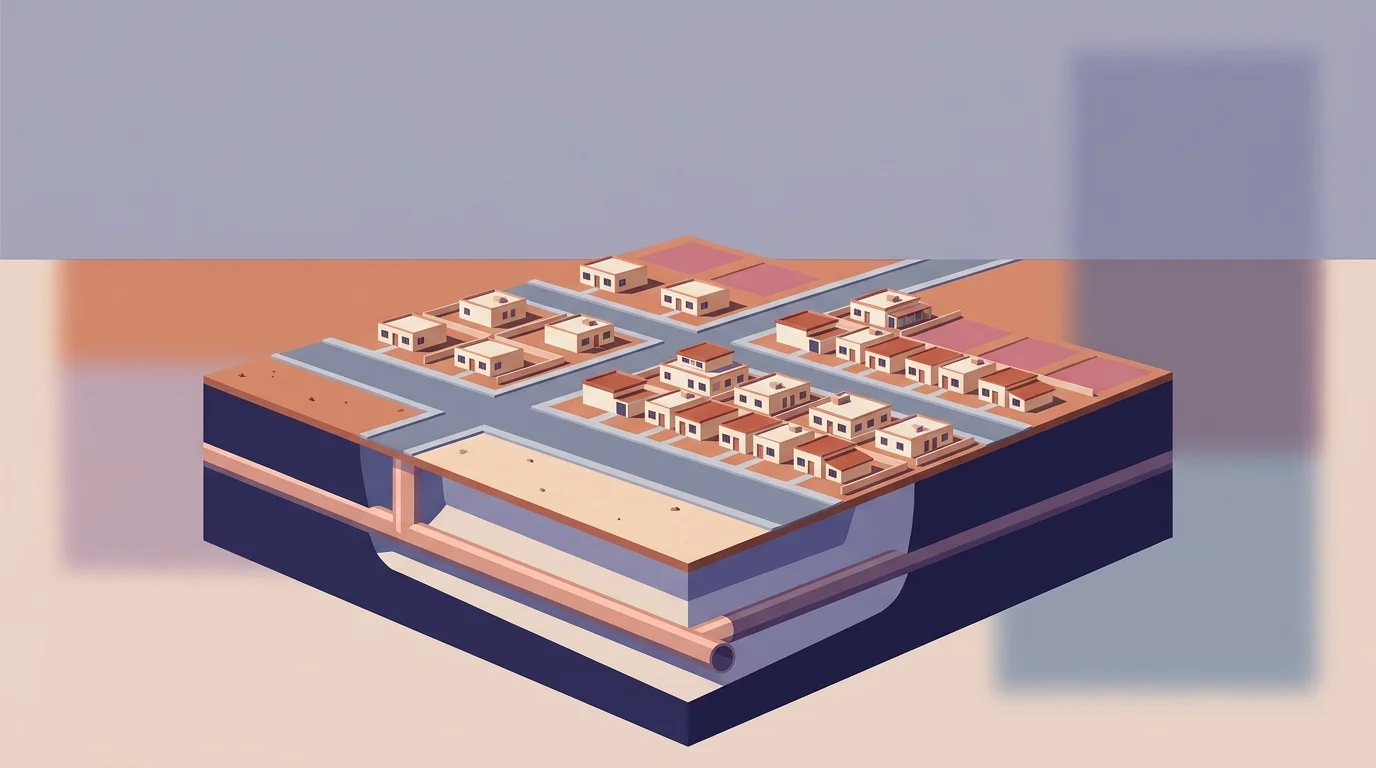
Fernley, Nevada is extending its municipal water system along Mesa Drive, the latest in a series of infrastructure investments driven by two decades of relentless population growth in one of the country's fastest-expanding desert communities.
The city is seeking bids for the Mesa Drive Water Main Extension, a project that reflects a straightforward but urgent challenge: more people keep arriving, and water pipes have to exist before homes and businesses can be built.
Fernley sits about 30 miles east of Reno along Interstate 80, and it has become a pressure valve for the region's housing market. As Reno-Sparks has grown into a logistics and technology hub, anchored by operations like the Tesla Gigafactory and major warehouse facilities at the nearby Tahoe-Reno Industrial Center, workers have pushed outward in search of affordable housing. Fernley's population surged from roughly 8,500 in 2000 to more than 22,000 by the 2020 Census, a growth rate that has strained infrastructure designed for a much smaller, largely agricultural town.
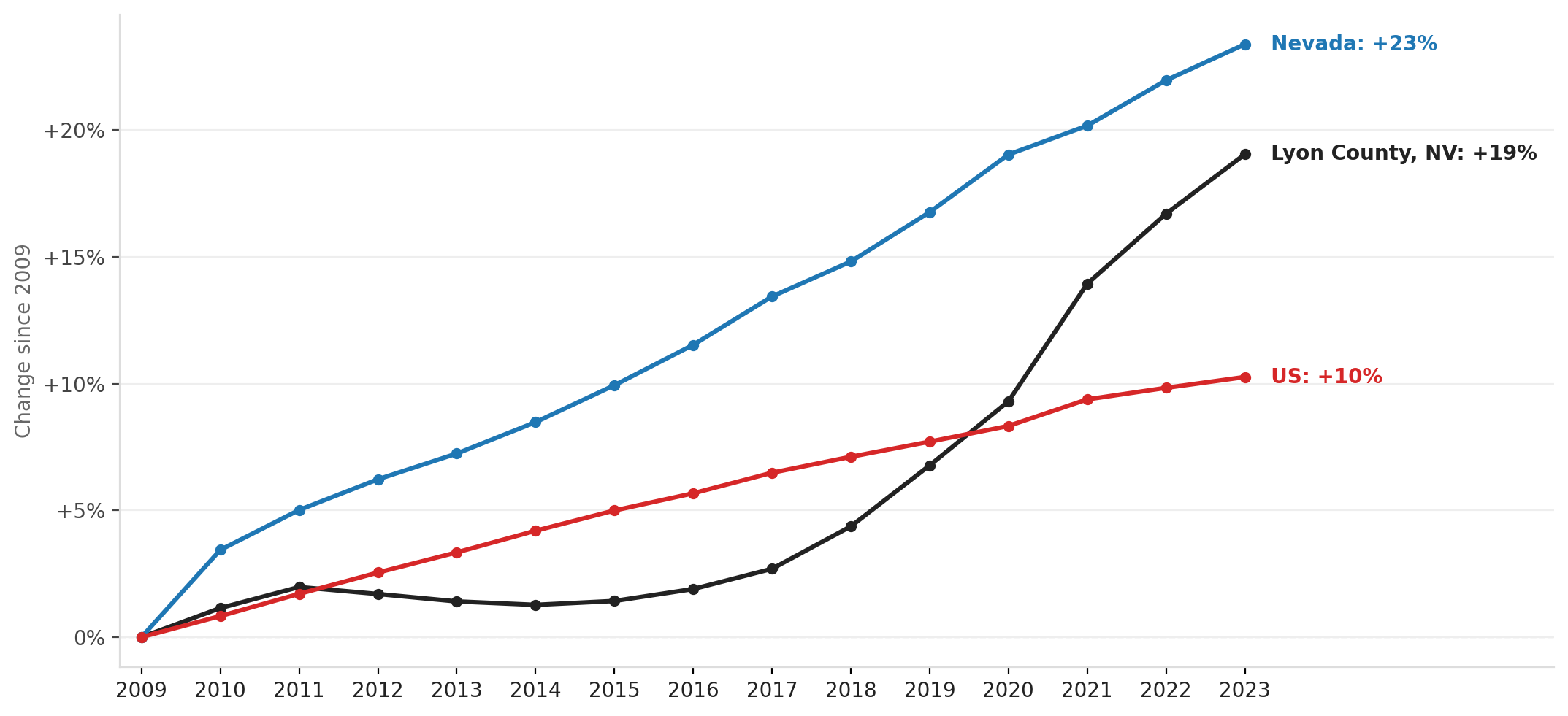
Source: U.S. Census Bureau, American Community Survey.
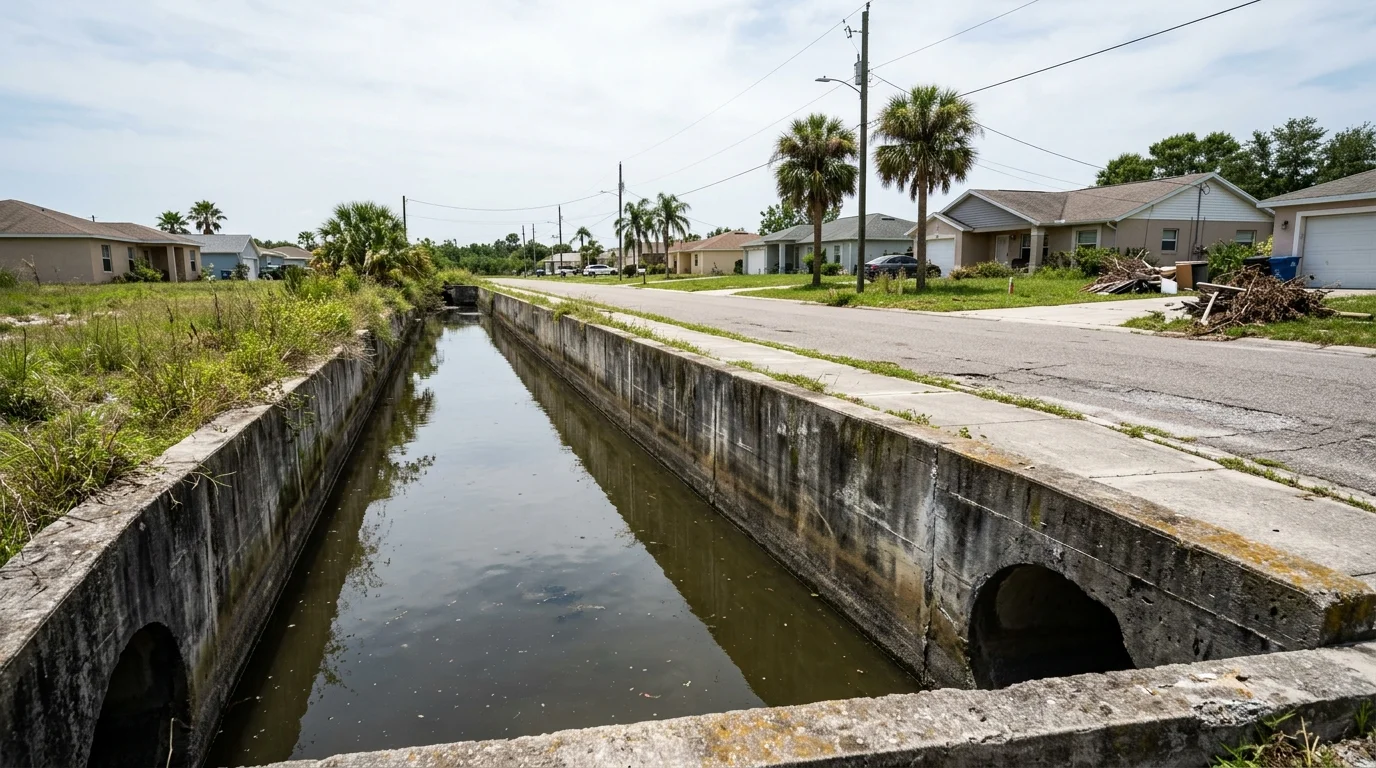
Water is not an abstract concern in Fernley. In January 2008, a breach in the Truckee Canal, which historically supplied much of the city's water by diverting flow from the Truckee River, flooded hundreds of homes and exposed just how fragile the system was. The city spent years in federal court seeking damages and ultimately redoubled efforts to develop its own well capacity and expand its distribution network so it wouldn't be so dependent on aging canal infrastructure.
In a desert that receives roughly five inches of rain annually, every decision about water infrastructure carries real consequences. Nevada grew about 15 percent between 2010 and 2020, one of the fastest rates in the country, and Fernley has felt that pressure acutely. For a city with a moderate tax base and smaller financial reserves than Reno or Sparks, projects like this Mesa Drive extension represent meaningful commitments.
The city has funded similar water system improvements in recent years through a mix of state revolving loan funds, USDA Rural Development grants, and local utility revenues. Specific cost and timeline details for the Mesa Drive project are available in the full bid documents on the city's website. Contractor selection will follow the public bidding process.