Lake Charles, Louisiana is pushing forward with reconstruction of its wastewater system, moving into the construction phase of a sewer pump station upgrade along the Gulf Highway corridor more than five years after back-to-back hurricanes exposed just how fragile the city's underground infrastructure really was.
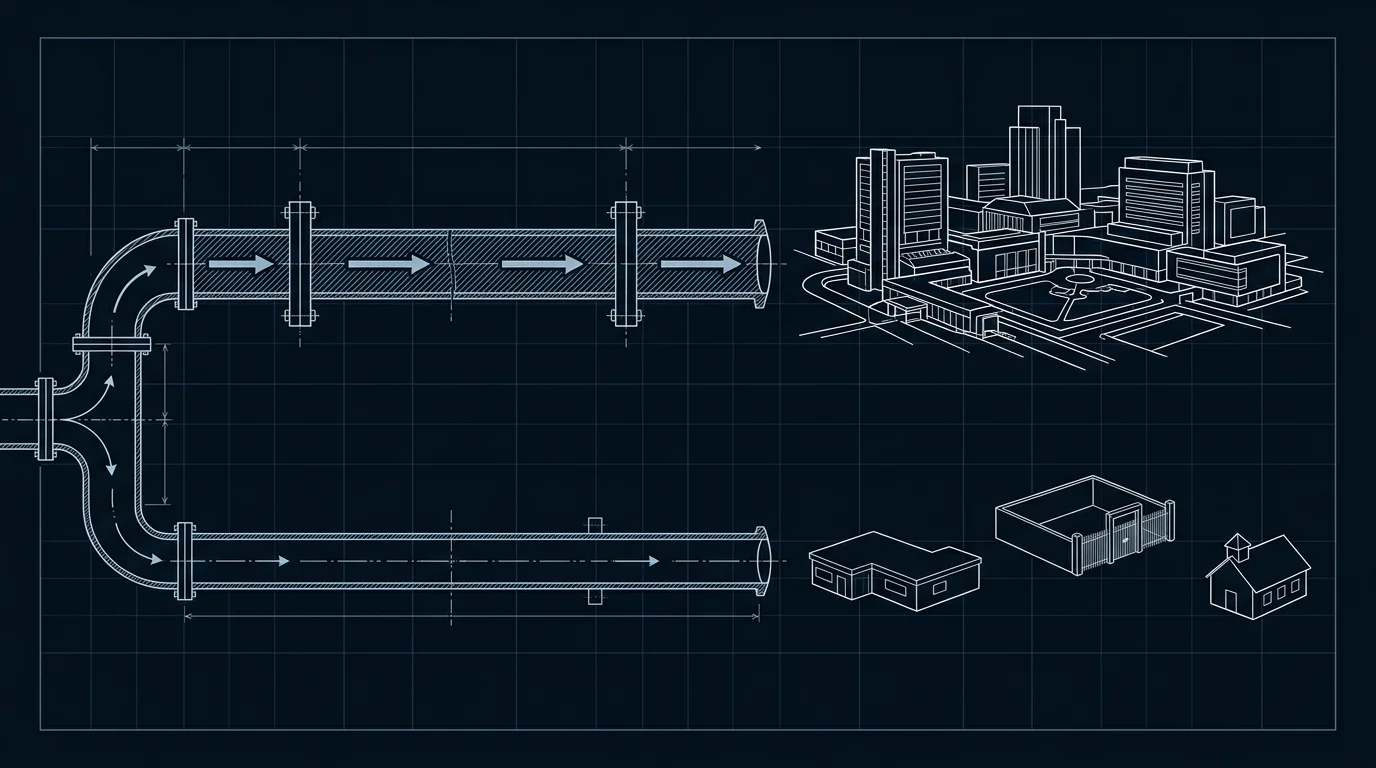
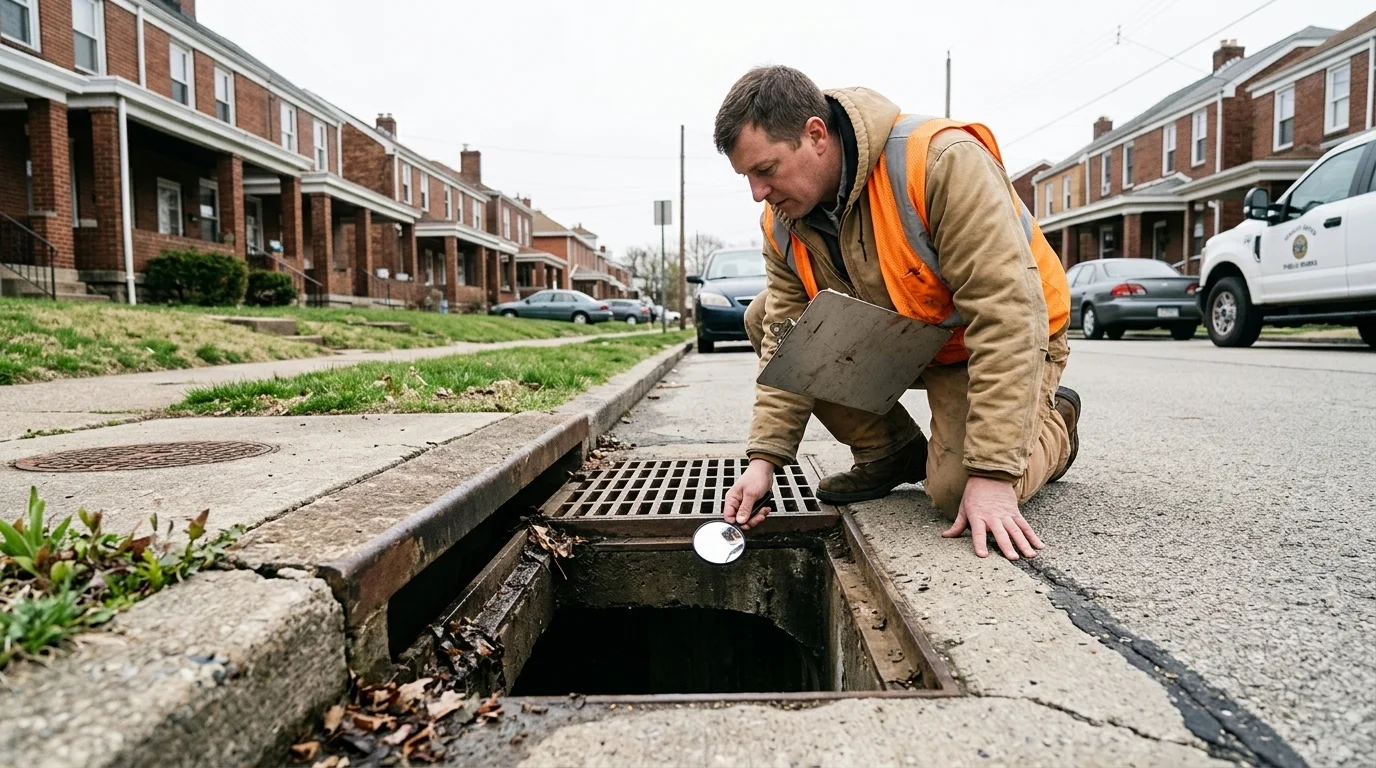
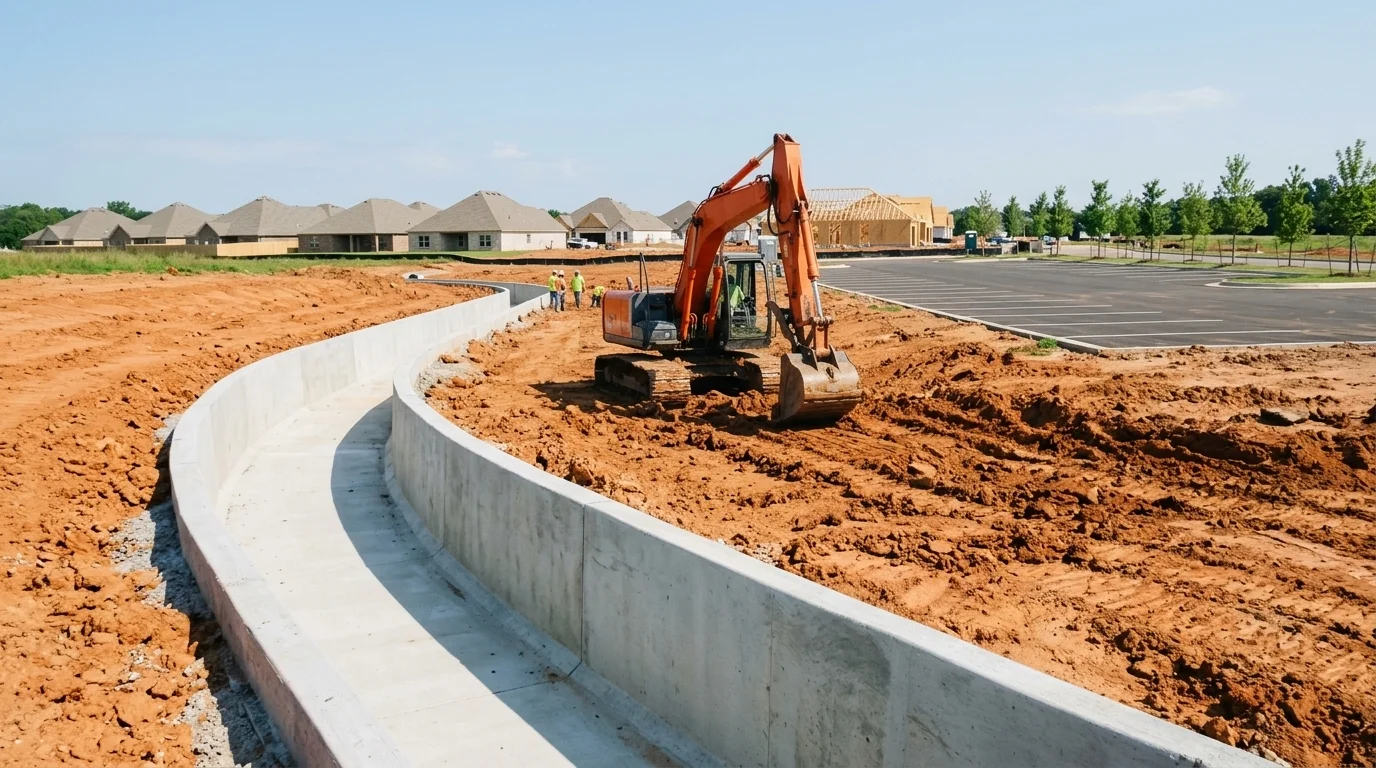
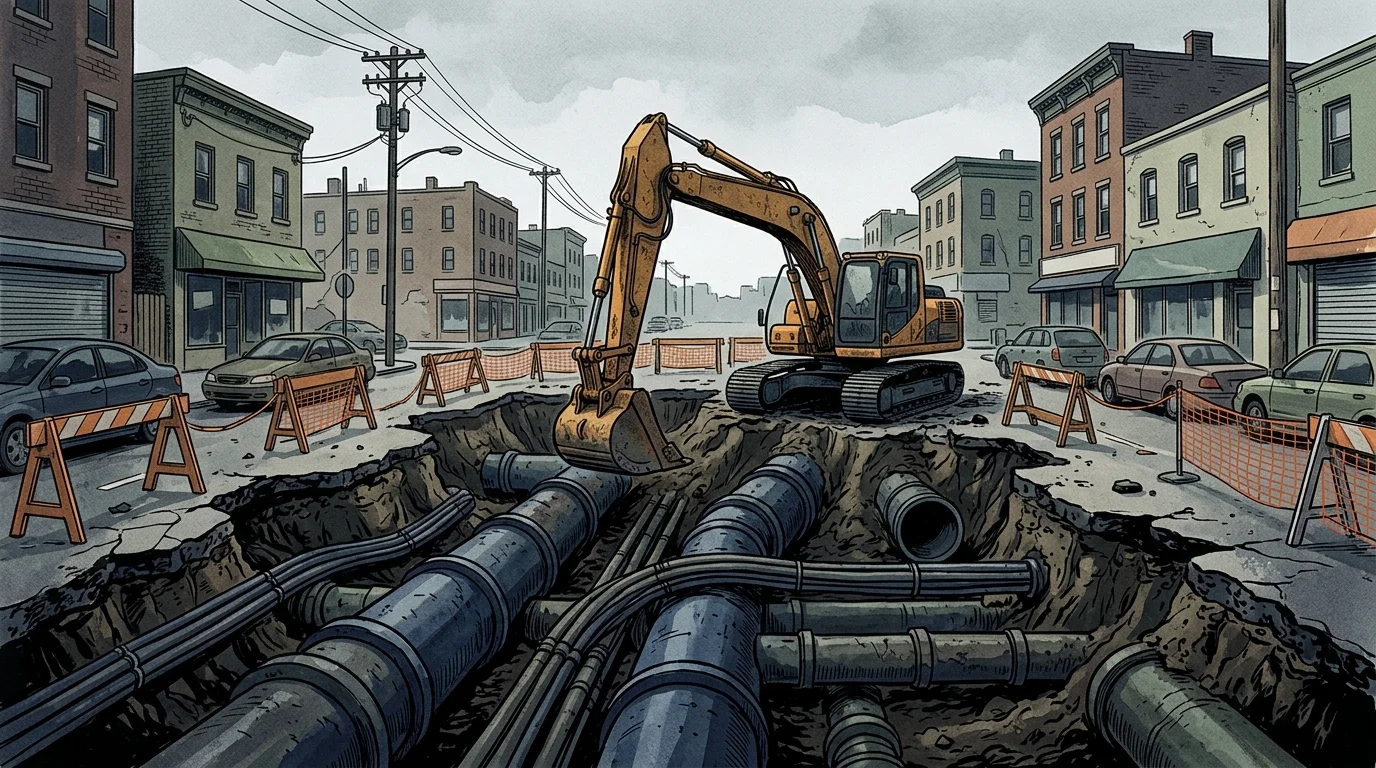
The city is seeking a contractor to build a new lift station on Gulf Highway as part of its Southern Sewer Loop, a broader capital program designed to modernize how sewage is collected and moved through the city's southern neighborhoods. Lift stations are the workhorses of any low-lying sewer network: they pump waste uphill so it can flow by gravity to treatment plants. When they fail or get overwhelmed, the result is raw sewage backing up into streets, yards, and waterways.
That's exactly what residents of Lake Charles faced after Hurricane Laura struck in August 2020, followed by Hurricane Delta just six weeks later. The storms, both Category 4 at landfall, caused an estimated $10 billion or more in damage across the region and pushed already-aging water and sewer systems past their limits. In the years since, residents have reported boil-water advisories, low water pressure, and sewer backups while waiting for federal recovery dollars to arrive and for the slow machinery of disaster funding, engineering, and municipal procurement to grind toward construction.
The Gulf Highway area is a key commercial and residential artery through the southern part of the city. Replacing the lift station there addresses not just storm damage but also decades of deferred maintenance and capacity constraints that predate the hurricanes. Lake Charles, home to roughly 85,000 people with a poverty rate well above the national average, has long struggled to fund the upkeep of infrastructure that serves a geographically spread-out city from a constrained tax base. In 2023 and 2024, the city raised water and sewer rates to help generate the local cost-sharing that federal grants typically require, a politically difficult move that officials framed as unavoidable.
Federal money has helped close the gap. The 2021 Bipartisan Infrastructure Law directed $55 billion toward water and wastewater systems nationally, and Louisiana has also drawn on FEMA hazard mitigation funds and federal Community Development Block Grant disaster recovery dollars following the 2020 storms.
The Gulf Highway lift station is one of multiple contract packages within the Southern Sewer Loop program. The contract value and construction timeline have not been publicly disclosed. The city's next step is selecting a contractor, after which residents along the Gulf Highway corridor can expect construction to follow.