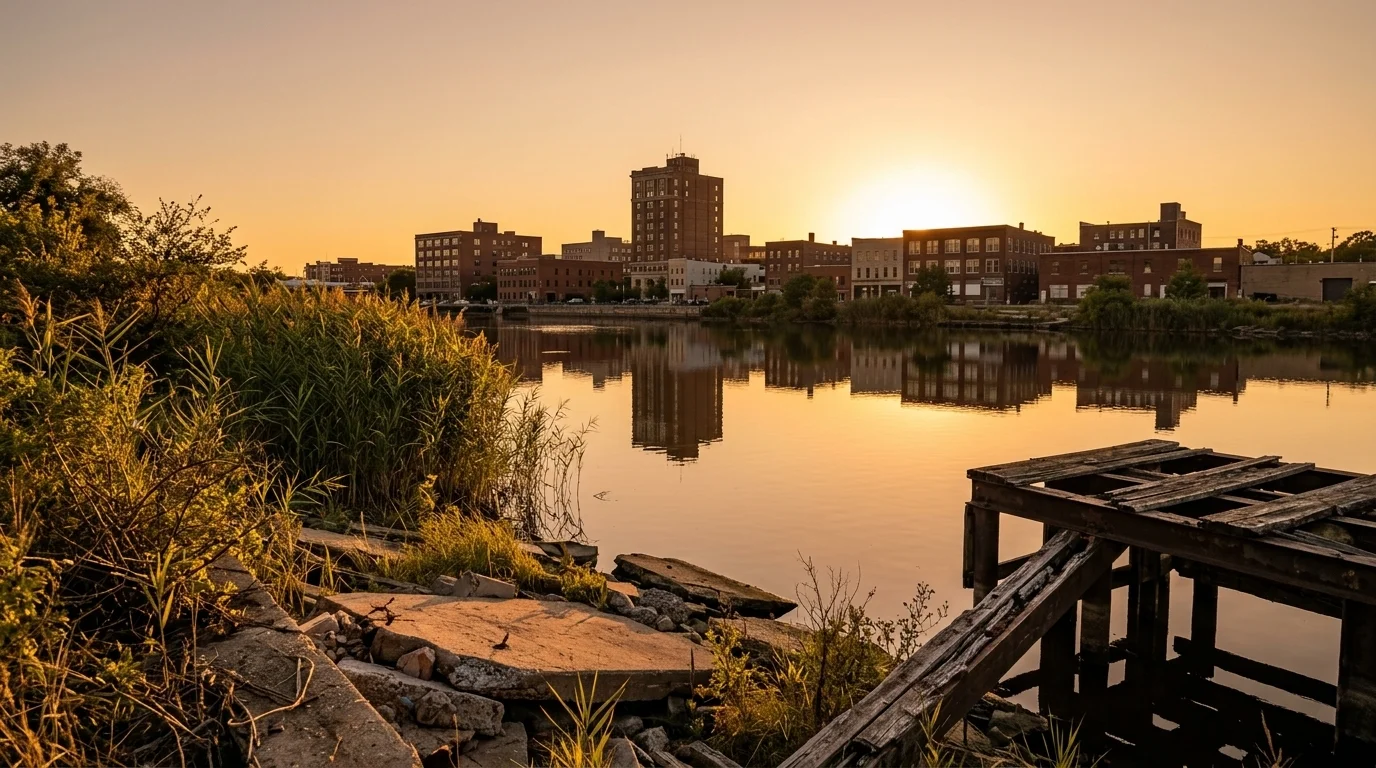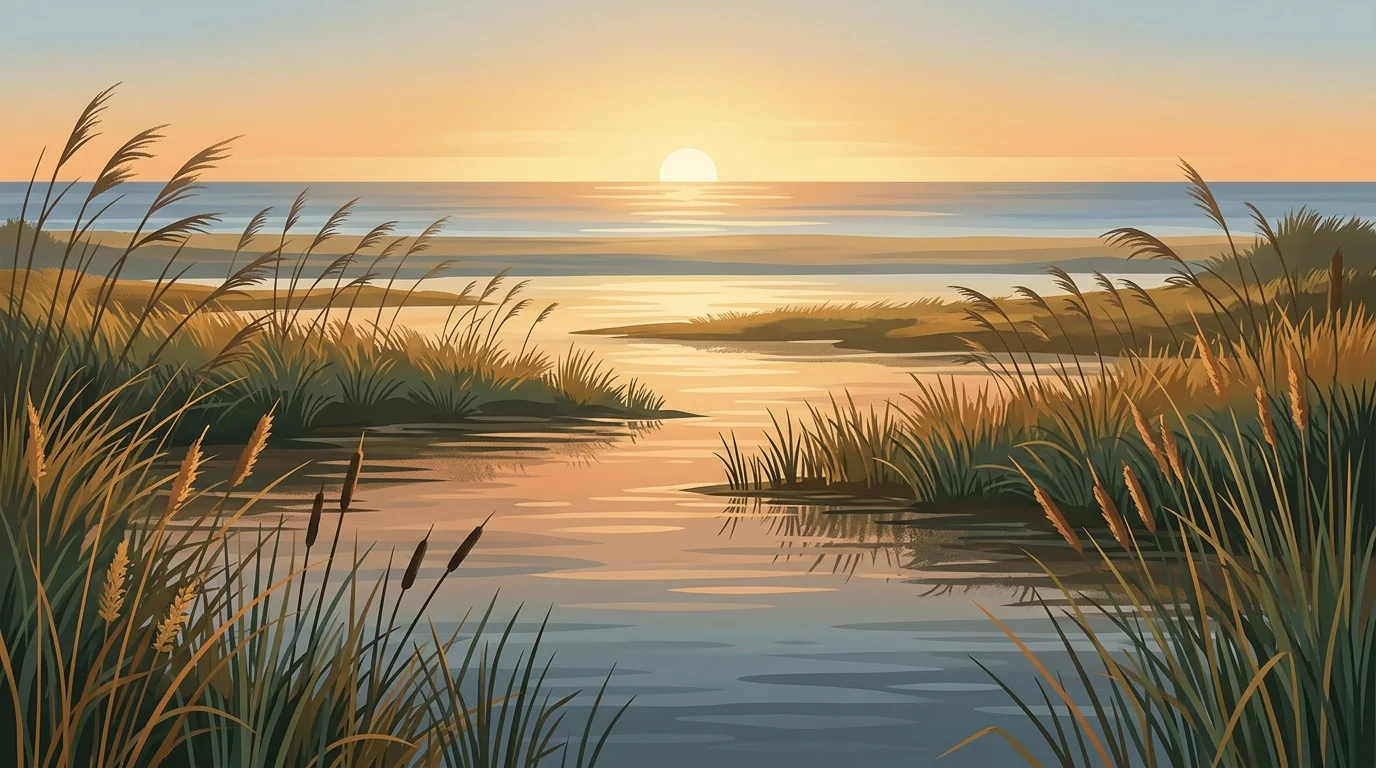
A new park taking shape in Kinross, a coastal suburb north of Perth, Western Australia, is being built to do more than give residents somewhere to walk the dog. Kinross South Park and Foreshore Park will include a tidal wetland and a rain garden, turning what could have been a strip of turf and playground equipment into functioning environmental infrastructure.
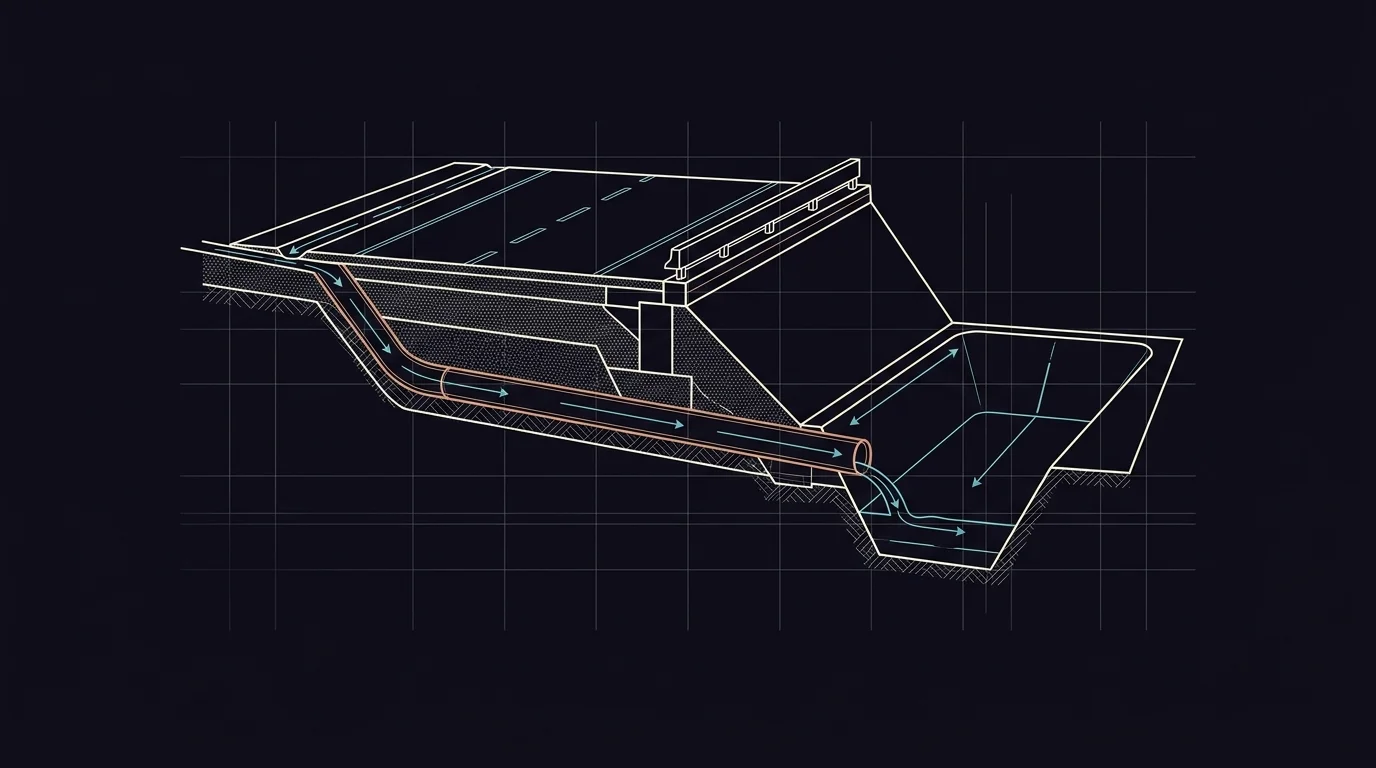
The City of Joondalup, which serves around 160,000 residents along some of Perth's most coveted coastline, is seeking environmental services contractors to design and deliver the two features. The rain garden will capture and filter stormwater runoff through layers of soil and vegetation before it can reach the ocean carrying nitrogen, phosphorus and hydrocarbons from surrounding streets. The tidal wetland, sitting on the foreshore itself, uses natural tidal flushing to sustain a living coastal ecosystem.
Both elements reflect a decades-long shift in how Australian planners think about water. The Millennium Drought, which gripped the country from 1997 to 2009, forced a rethink of stormwater as a resource worth capturing rather than a problem to pipe away. Western Australia embedded that thinking into state planning policy in 2008, and newer suburbs have increasingly been designed with integrated water treatment from the start rather than retrofitted later.
Source: NationGraph.
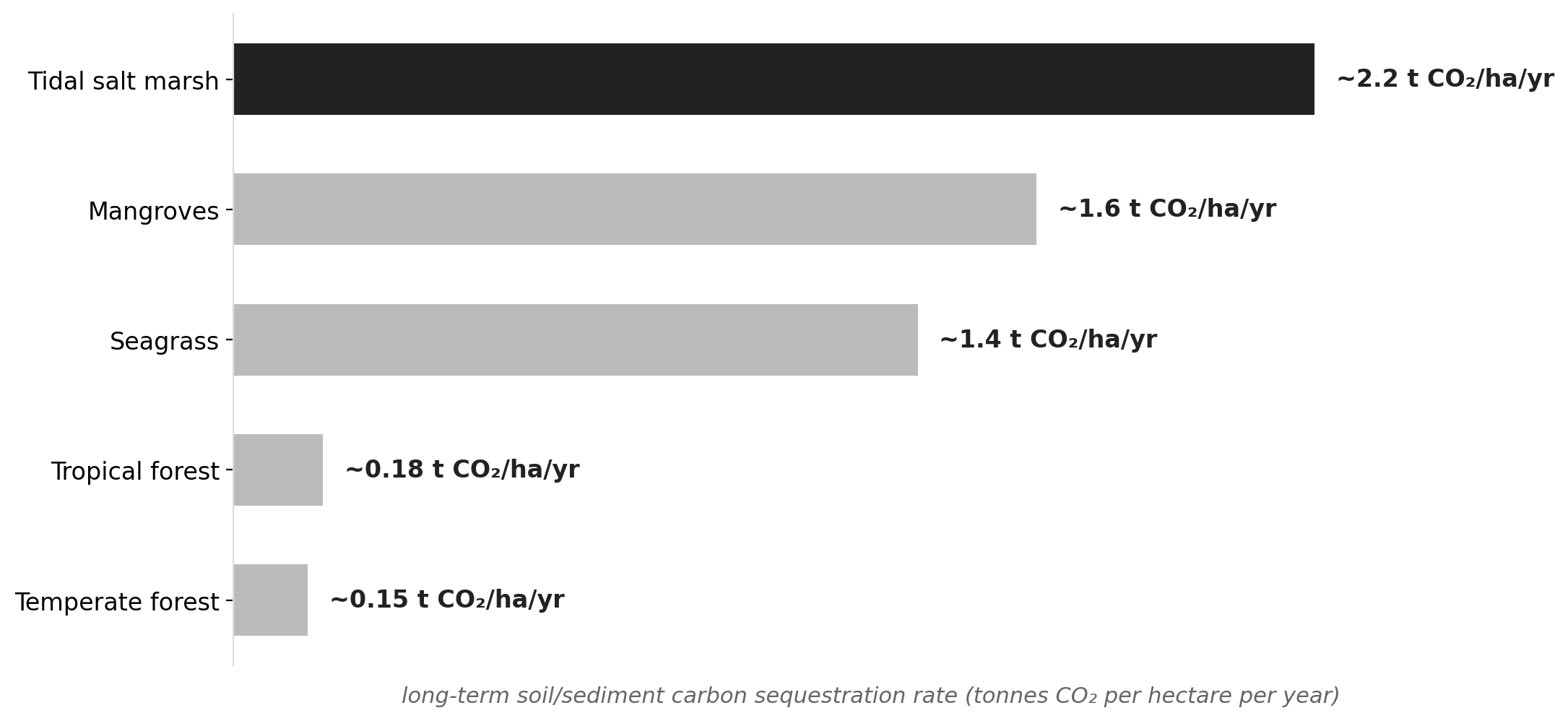
Kinross sits in a Mediterranean climate zone where heavy winter rains give way to long, hot, dry summers. Stormwater arrives in intense bursts, and without careful management it flushes nutrients directly into the Indian Ocean, damaging marine ecosystems. The foreshore location also makes tidal wetlands ecologically significant beyond local water quality: these coastal systems sequester carbon at rates far higher than terrestrial forests, buffer shorelines against storm surge, and provide habitat that decades of suburban development have steadily eroded.
CSIRO modelling projects significant erosion of Perth's western beaches in coming decades as sea levels rise, adding urgency to coastline restoration efforts. The City of Joondalup has been progressively incorporating water-sensitive design into its drainage infrastructure over the past decade, and constructed wetlands have become a feature of newer developments further north along the corridor in Yanchep and Two Rocks.
The Kinross project, posted in June 2026, represents the next step in that pattern: parks conceived from the outset as working ecosystems rather than ornamental green space.