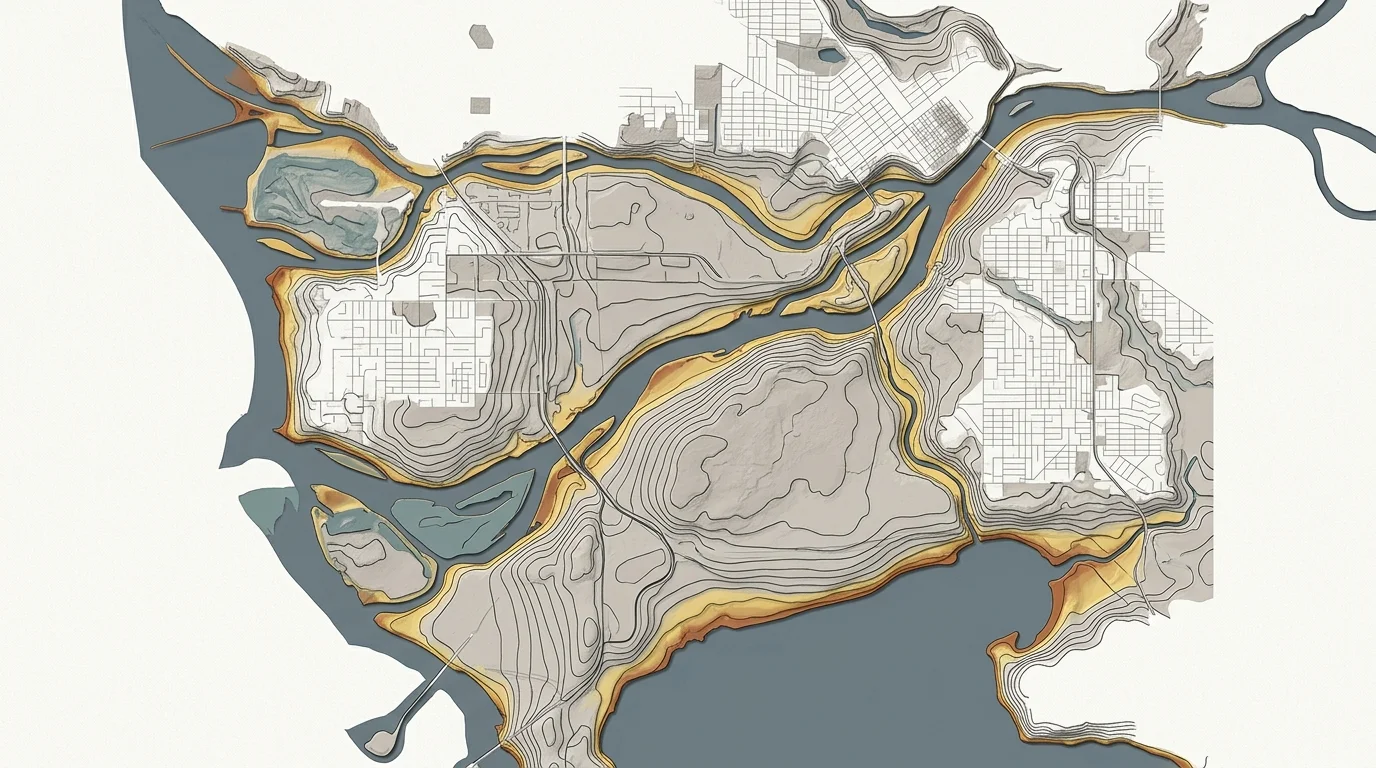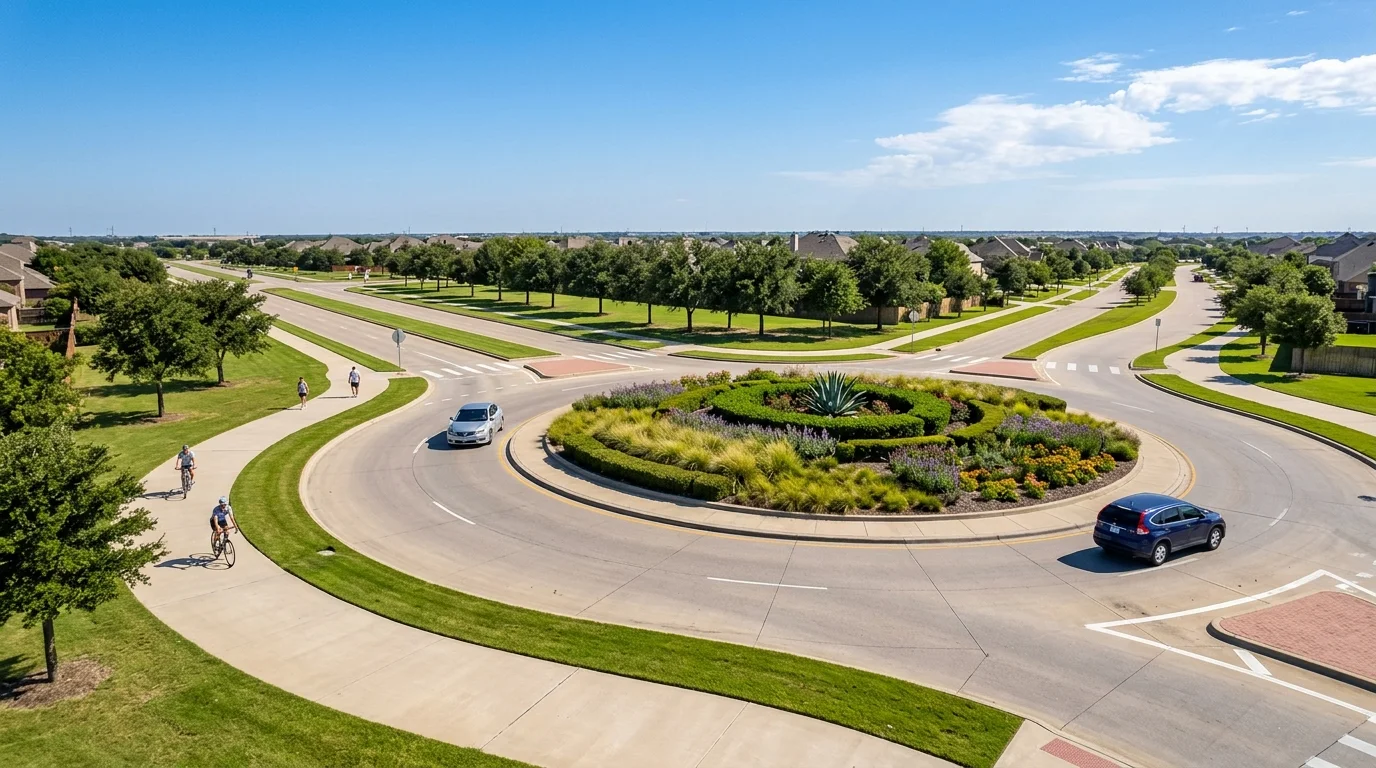
Baytown, Texas is moving forward with a major overhaul of Market Street, one of the city's older east-west corridors, replacing a conventional arterial road with a design built around roundabouts, slower traffic, and space for pedestrians.
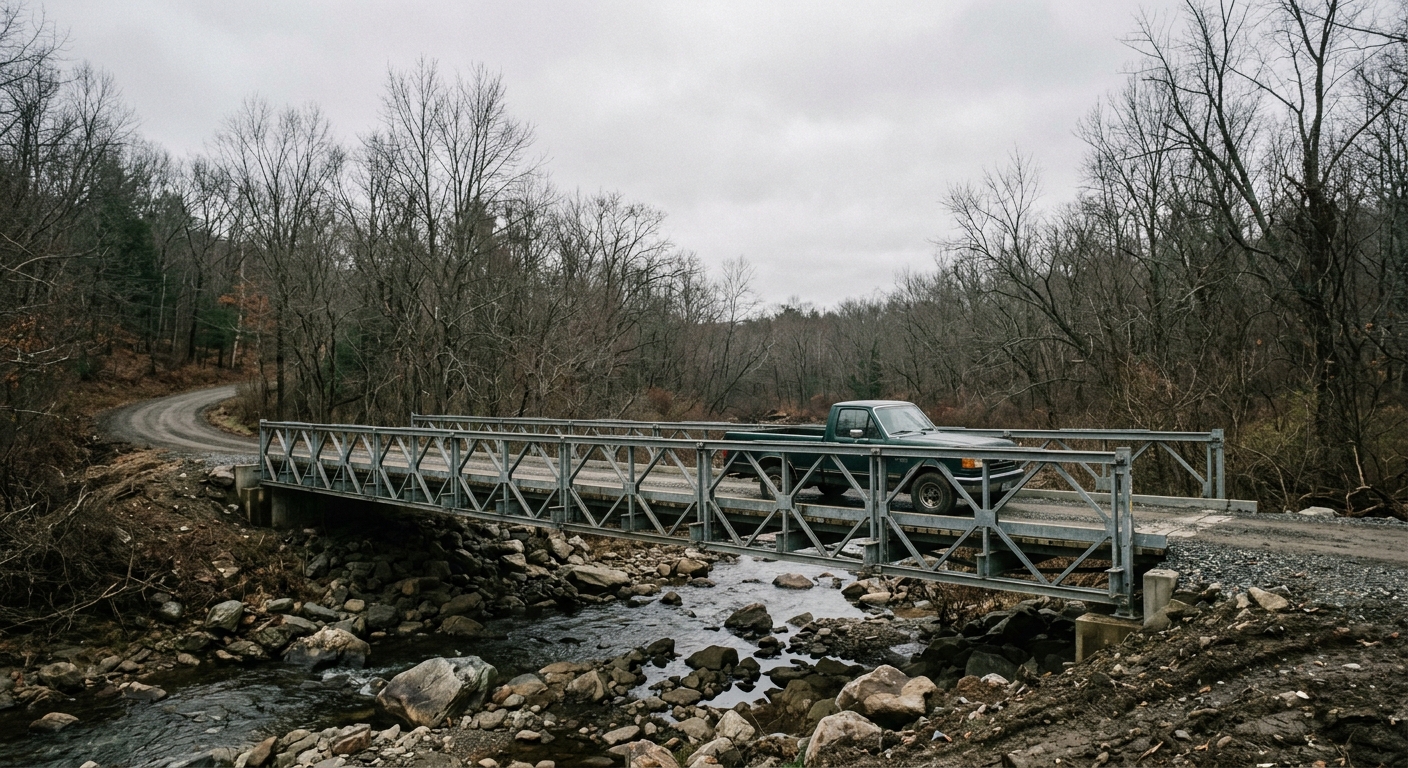
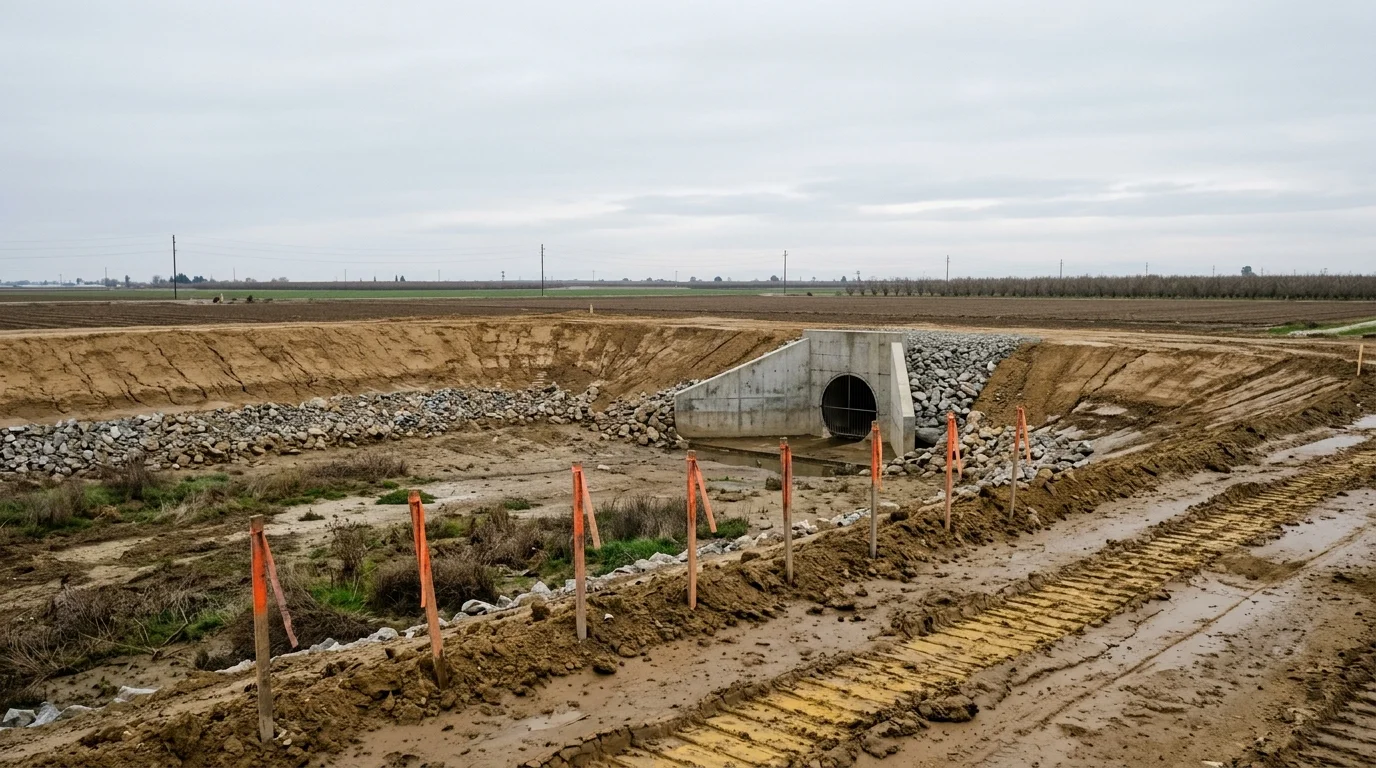
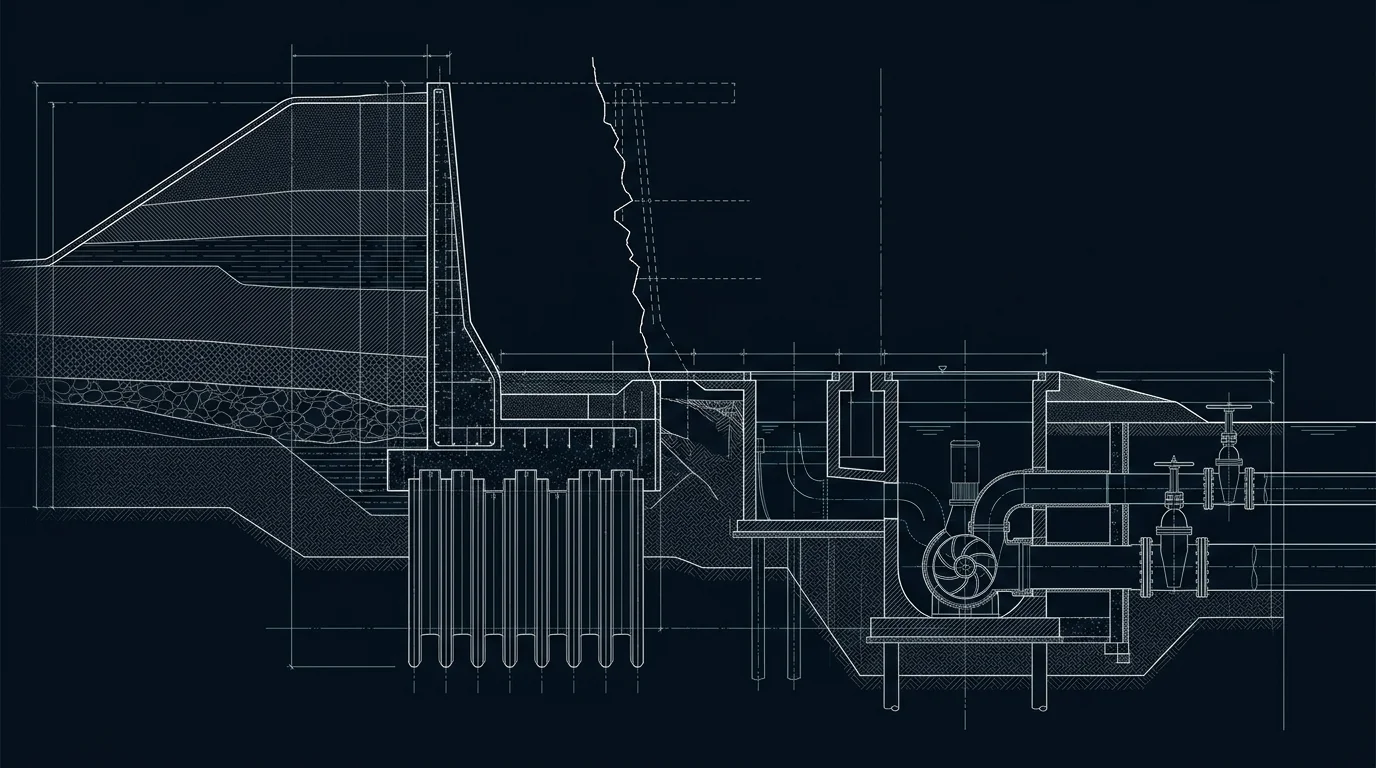
The project would convert the existing road into a 2-lane boulevard, install four roundabouts along the corridor, add pedestrian trails, and address drainage with a new cross culvert. An existing bridge along the route would be modified, and a new traffic signal added. The city is now seeking engineering firms for the work.
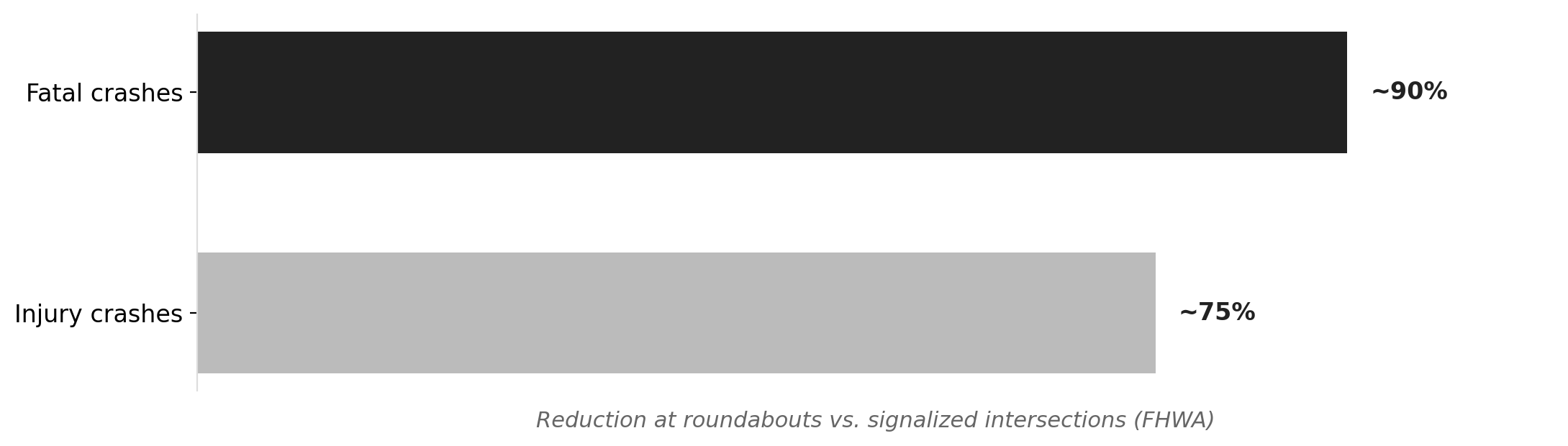
The redesign follows a playbook that transportation planners across Texas have been pushing for years. Federal Highway Administration data shows roundabouts reduce fatal crashes by roughly 90% and injury crashes by 75% compared to traditional signalized intersections. TxDOT and FHWA have both been actively encouraging the design shift since the mid-2010s, and federal infrastructure dollars from the 2021 Bipartisan Infrastructure Law have given cities like Baytown more resources to act on long-deferred projects.
Source: NationGraph.
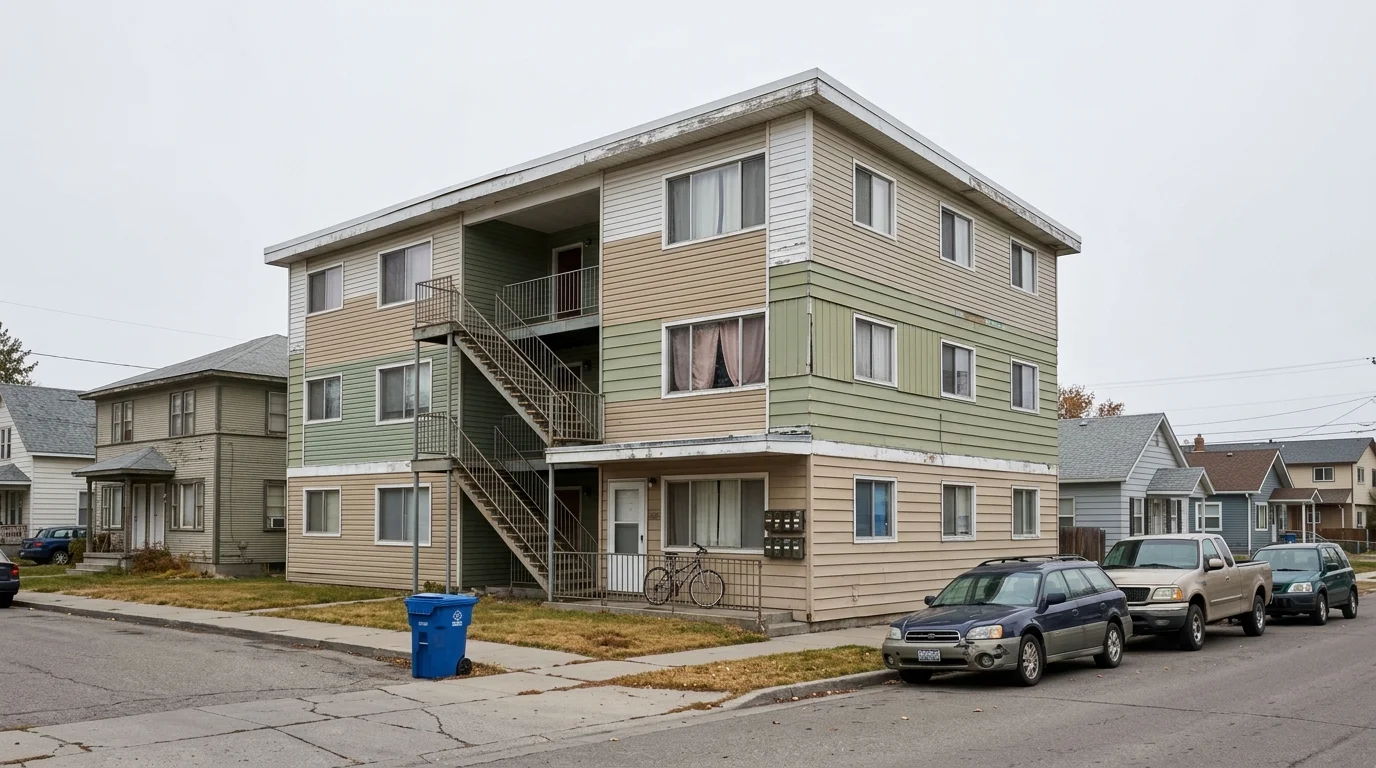
Market Street has been on Baytown's radar for years. The city's comprehensive plan identified the corridor as an aging stretch that needed reconstruction rather than continued patchwork repairs. Baytown, a majority-Hispanic industrial city of about 85,000 in eastern Harris County anchored by the ExxonMobil refinery complex, has an unusually strong tax base for its size, giving it more capacity to fund capital work than many comparably sized Texas cities.
The pedestrian trail component reflects a post-pandemic surge in demand for walkable infrastructure and aligns with regional priorities set by the Houston-Galveston Area Council, which has emphasized active transportation in its 2045 regional transportation plan.
Roundabouts have drawn mixed reactions in Texas suburbs before. Communities including League City, Pearland, and Bryan have all seen public debate over new roundabout installations, with concerns centering on driver familiarity and whether the intersections can handle heavy truck traffic. Baytown's industrial character means large vehicles are a regular presence on city streets, a factor that will likely shape how residents and business owners respond as plans become more concrete.
The RFP was updated and reposted on June 5, 2026, a revision that often signals changes to project scope, utility relocation complications, or cost adjustments. The city has not publicly detailed what prompted the update. Once a firm is selected and design work is complete, construction timelines will come into clearer focus.