Columbus, Ohio has long carried an unlikely distinction: it is the largest American city without a single mile of high-capacity rapid transit. No light rail, no subway, no bus rapid transit. That is now changing.
The Central Ohio Transit Authority is moving into pre-construction on the East Main Street High-Capacity Bus Rapid Transit corridor, hiring a construction manager to help shepherd what would be the region's first modern rapid transit line from concept to reality. The selection of a Construction Manager-at-Risk signals the project has crossed from planning into concrete action, a milestone that transit advocates and community groups along the corridor have waited years to see.
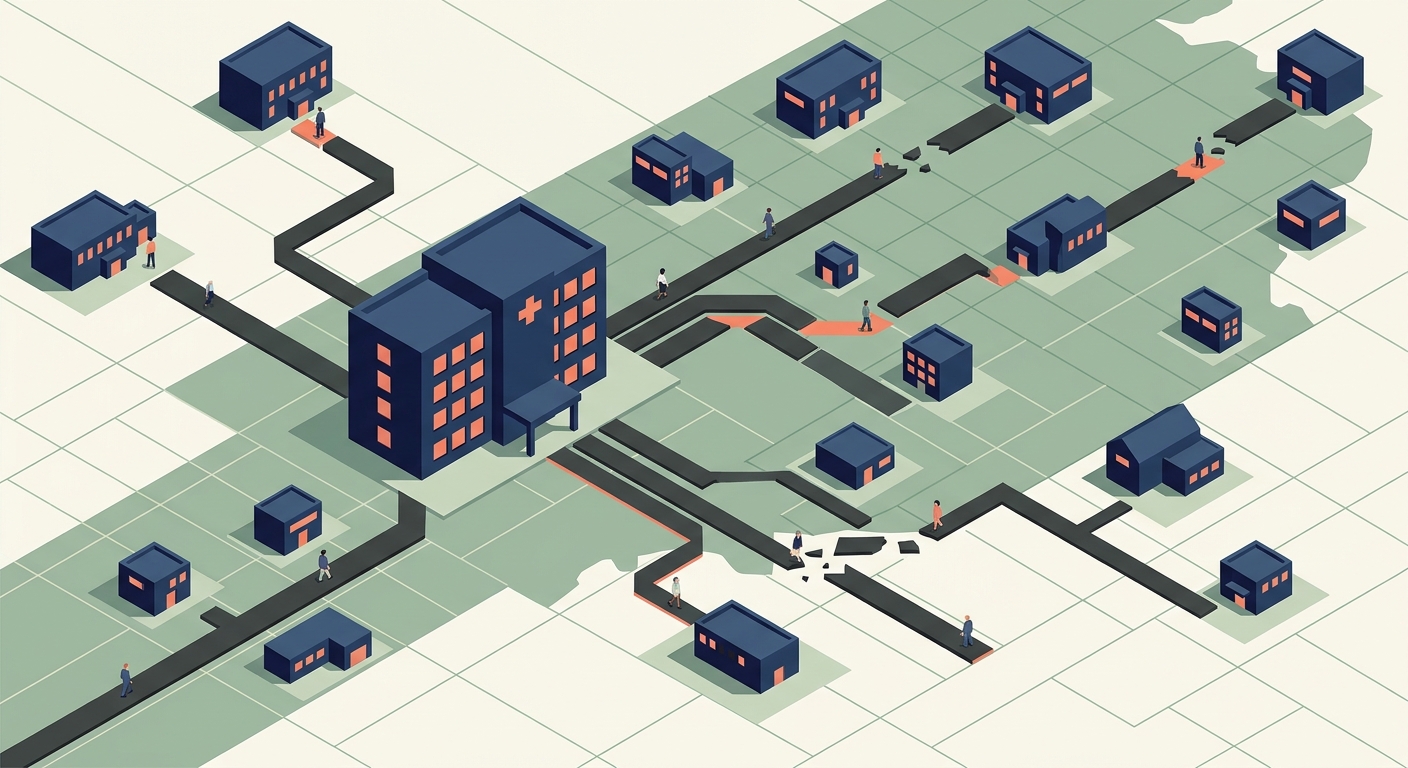
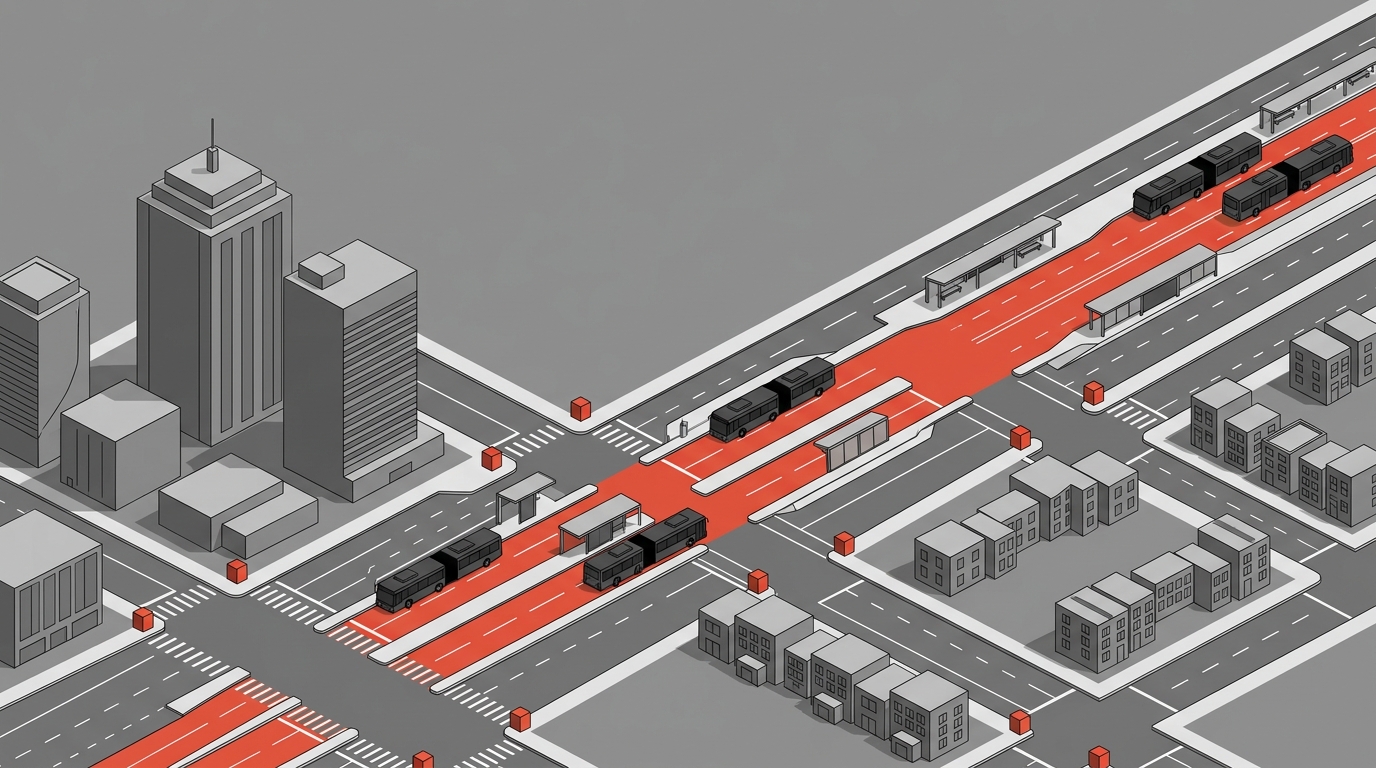
The East Main Street line would run eastward from downtown Columbus through some of the city's most transit-dependent communities: East Columbus, Whitehall, and toward Reynoldsburg. Those neighborhoods are home to large Somali, Bhutanese, Nepali, and Latino populations, many of whom rely on buses to reach jobs across a metro area that has been built almost entirely around cars. Bus rapid transit would bring dedicated lanes, upgraded stations, and signal priority that lets buses move without getting stuck in the same traffic as everyone else.
The urgency has only grown. Columbus is the fastest-growing metro in the Midwest, now home to more than 2.1 million people, with projections pointing toward 3 million by 2050. The region is in the middle of a historic economic boom driven by Intel's $20 billion semiconductor campus in neighboring Licking County, Honda's electric vehicle battery plant, and a wave of logistics operations, all generating tens of thousands of jobs and straining a road network that was never designed to handle this kind of pressure. Traffic on East Main Street and I-70 has worsened steadily.
The East Main Street project is part of COTA's broader LinkUS initiative, a partnership with the City of Columbus, Franklin County, and regional planners that identified several priority BRT corridors. West Broad Street has generally been described as the first line out of the gate, with East Main Street close behind. Federal funding through the Bipartisan Infrastructure Law's transit capital programs is expected to be a significant piece of the financing.
COTA currently carries roughly 40,000 to 50,000 daily riders on its existing bus network. The agency and its regional partners have framed BRT investment as essential to ensuring the region's growth does not bypass the communities least able to depend on a car.
With a construction manager now being selected, the next major milestone will be setting a guaranteed maximum price and advancing toward a construction start date, steps that will determine how quickly riders on East Main Street see the line in operation.