Pope County, Arkansas is getting $69,130 in federal funding to build its first formal wildfire defense plan, a step that fire officials say rural communities across the South have long needed but rarely had the resources to take.
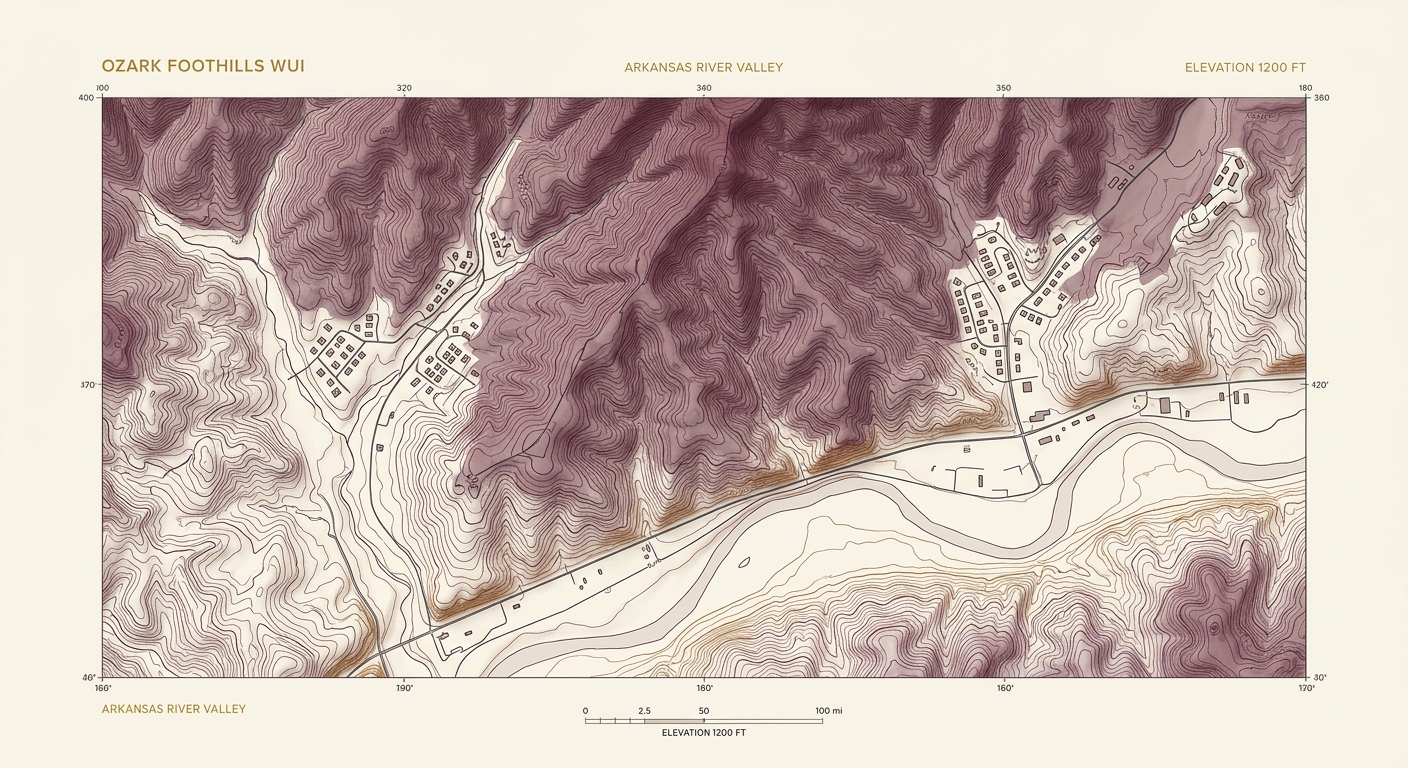
The grant, awarded through the USDA Forest Service's Community Wildfire Defense Grant program, will fund a planning process that brings together county residents, emergency responders, and local officials to map out where fire risk is highest and what to do about it. The county, home to about 64,000 people in the Ozark foothills and Arkansas River Valley, has the kind of terrain that creates serious fire danger: steep, forested hillsides where residential neighborhoods push up against fire-prone woodlands, with drought cycles that have grown more frequent in recent years.
Wildfire in the South is easy to overlook. Western infernos get the cameras and the congressional attention, but the South actually leads the nation in raw number of wildfire ignitions most years. Arkansas in particular has a long history of fire activity in its Ozark and Ouachita mountains, with significant burn seasons in 2016-2017 and again in 2022-2023. What the state has lacked is the same level of formal community planning that has become standard in the West.
That planning gap matters for more than preparedness. Without a formal wildfire protection plan on file, communities are often ineligible for federal mitigation funding when fires do threaten. Pope County's grant is essentially an investment in the county's ability to compete for larger help down the road.
The money comes from the Infrastructure Investment and Jobs Act, signed in 2021, which set aside $1 billion specifically for community wildfire defense, the largest federal wildfire resilience investment in U.S. history. The USDA has distributed hundreds of millions across the country in multiple rounds since 2023; Arkansas has received relatively modest allocations compared to Western states.
For a rural county with a median household income below the national average and a fire department network that relies heavily on volunteers, $69,000 represents planning capacity the county almost certainly couldn't fund on its own. The Ozark National Forest also covers significant acreage within Pope County, making coordination between local and federal fire managers particularly important.
The plan itself is the first step. What comes after, and whether the county can secure implementation funding to act on what the plan recommends, remains an open question.