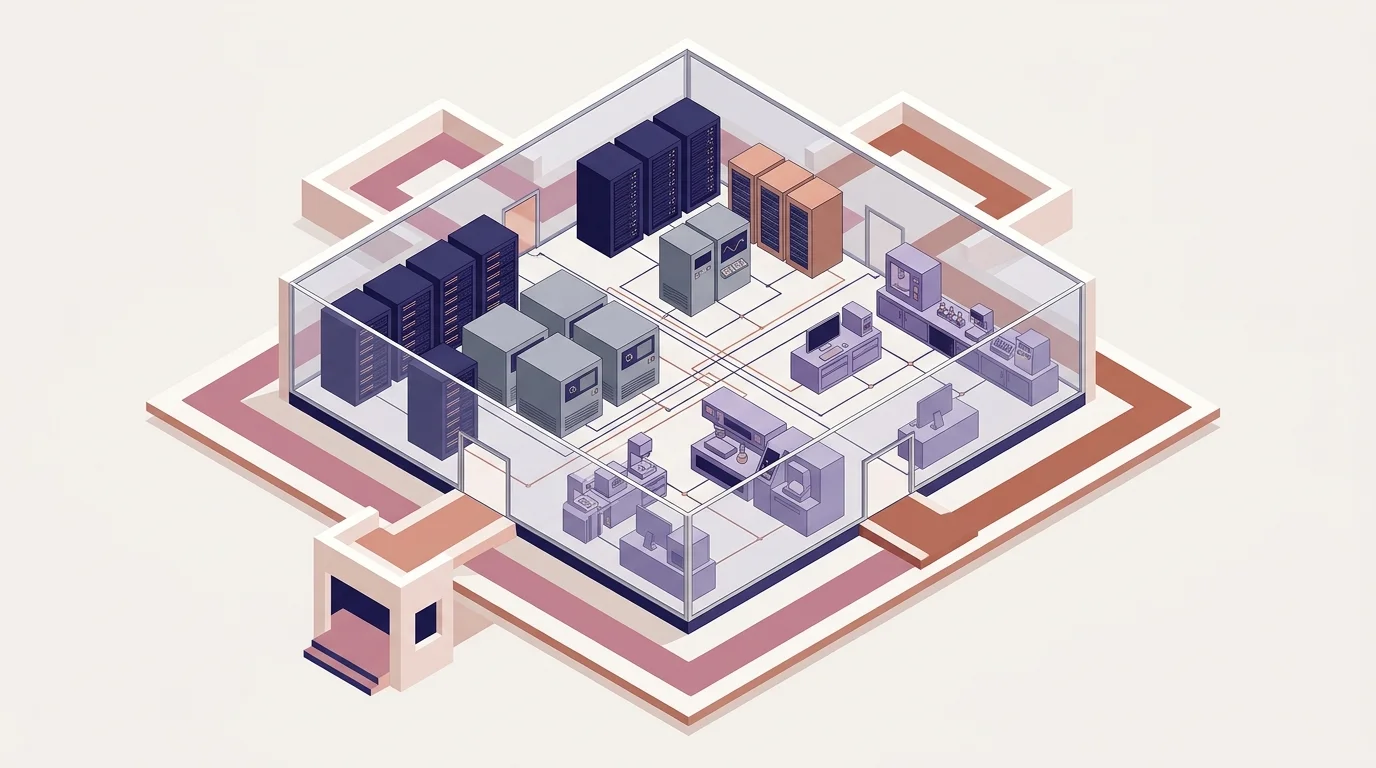
Clarion, Iowa is moving to replace its water treatment plant entirely, a project that reflects a crisis quietly building in rural communities across the Midwest: infrastructure built in the mid-20th century is wearing out, and the towns that depend on it have fewer and fewer residents to help pay for fixes.
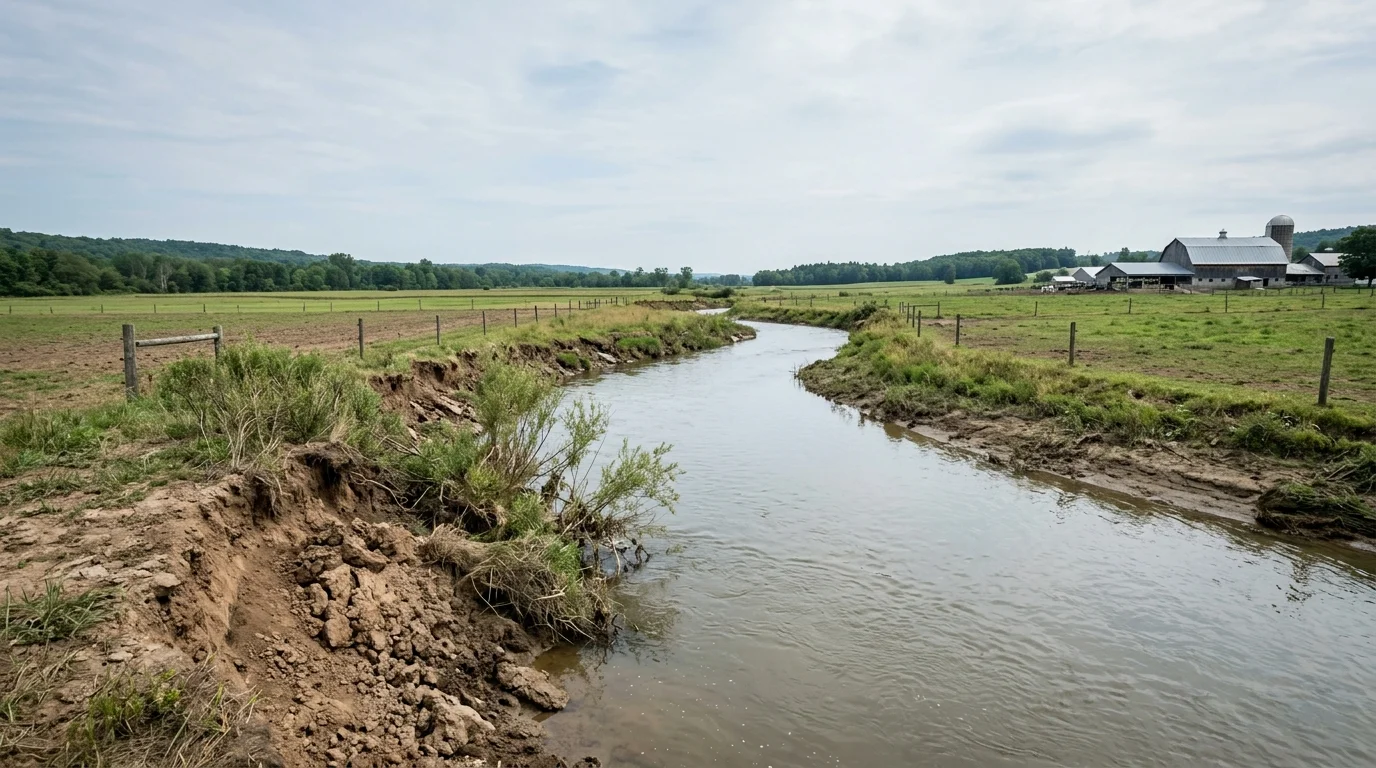
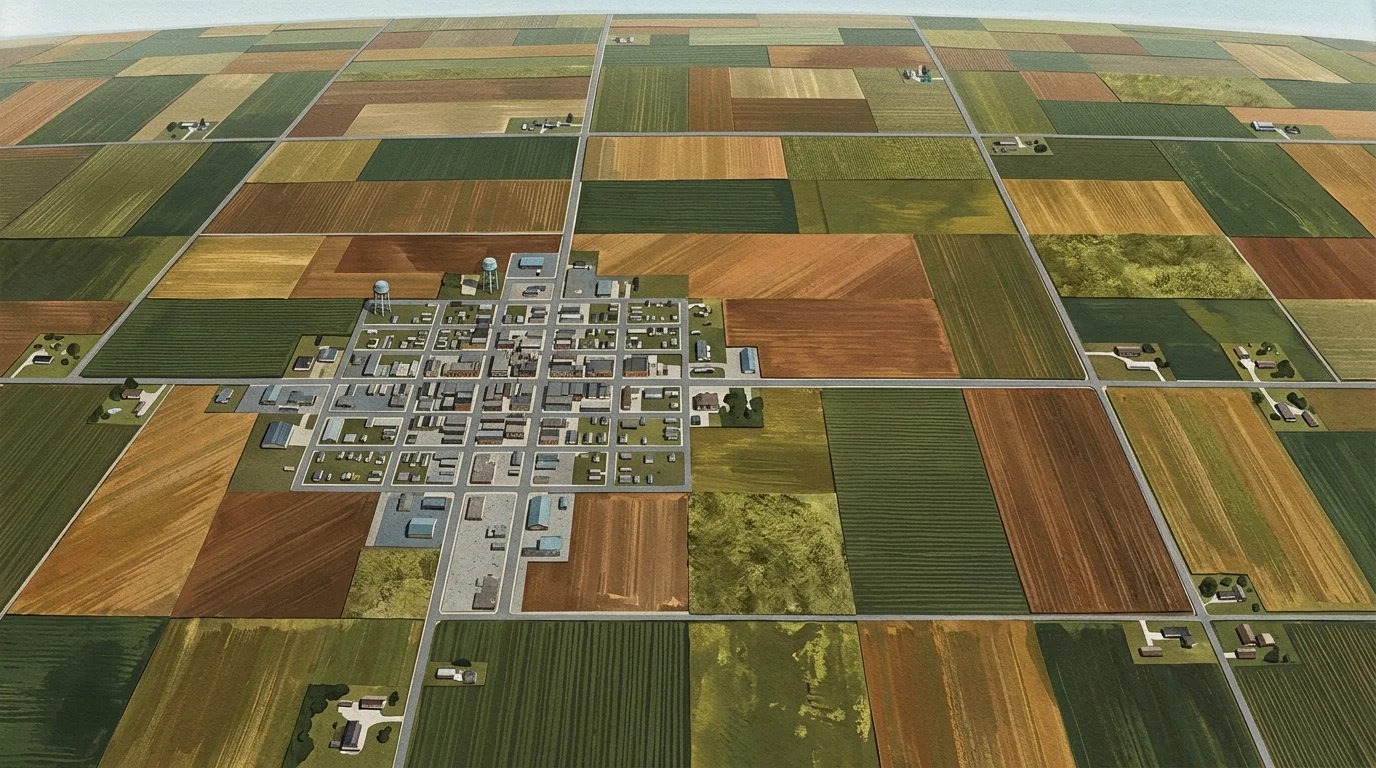
The Wright County seat of about 2,700 people sits in the heart of north-central Iowa's corn and soybean country, one of the most agriculturally intensive regions in the nation. That matters for drinking water. Nitrate runoff from row-crop farming has been a persistent and worsening problem for Iowa municipal water systems, particularly smaller ones drawing from shallow groundwater. Treating contaminated source water is expensive, and the cost falls on towns that can least afford it.
Clarion's situation is typical of rural Iowa: the county's population has been declining for decades, dropping from more than 19,000 in 1950 to roughly 12,800 today, which means a shrinking tax base is being asked to maintain infrastructure that was built for a larger community. The city is isolated enough, Fort Dodge is about 30 miles southwest, Mason City about 45 miles northeast, that connecting to a regional system isn't a realistic option. Clarion has to fix its own water supply.
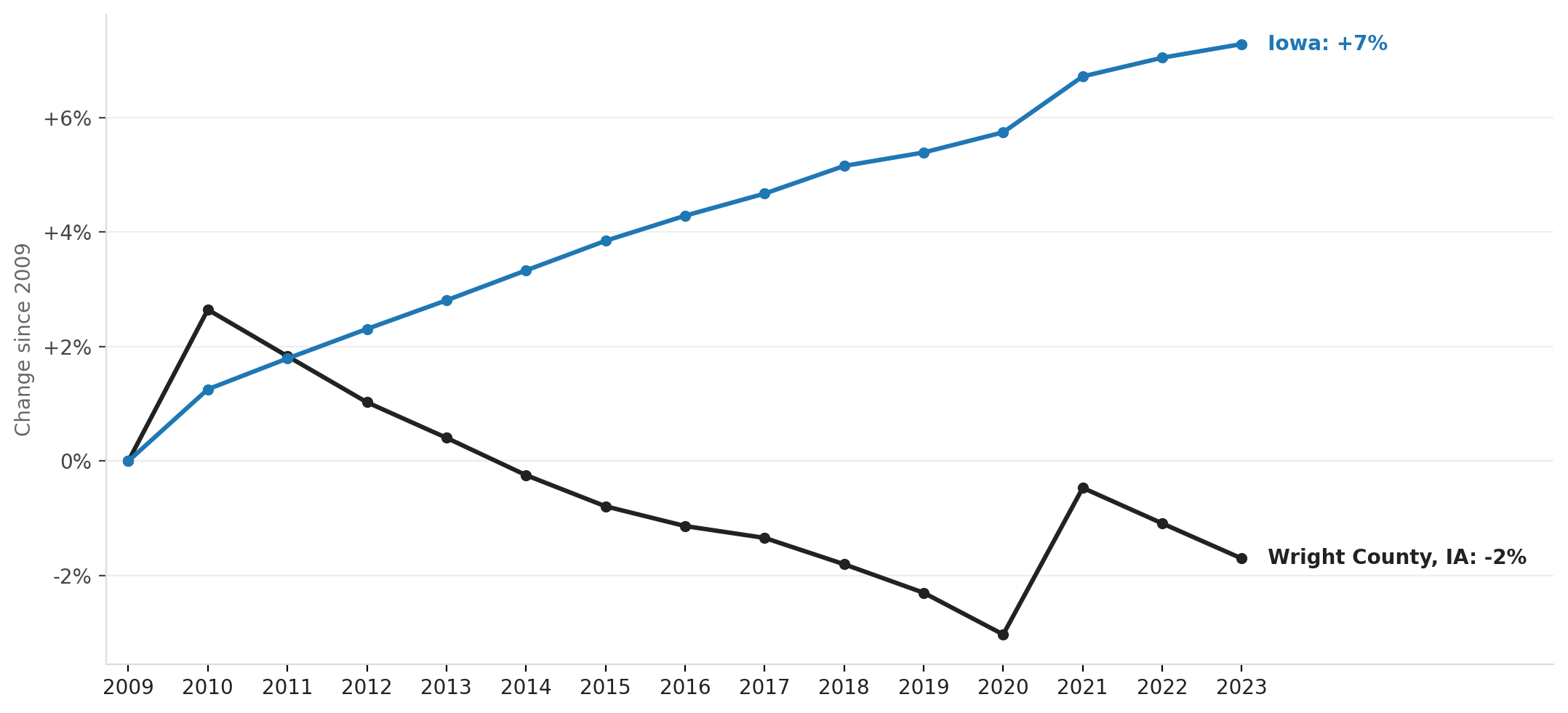
Source: U.S. Census Bureau, American Community Survey.
The timing of the project is no accident. The 2021 Bipartisan Infrastructure Law directed $50 billion nationally toward water systems, much of it flowing through EPA State Revolving Fund programs. In Iowa, that money moves through the Iowa Finance Authority and Iowa DNR, often as low-interest loans and, for lower-income communities, partial loan forgiveness. Clarion's median household income falls below the state average, potentially qualifying it for those more favorable terms. For a town this size, that kind of federal support may be the only way a project like this pencils out.
The city has posted an RFP on its website as it begins the process of hiring for the project. Specific cost estimates, funding sources, and a construction timeline have not been publicly detailed yet, and those figures will be critical to understanding the full scope of what Clarion is taking on. How the city is financing the project, and whether it has secured state or federal commitments, remain key questions as the process moves forward.