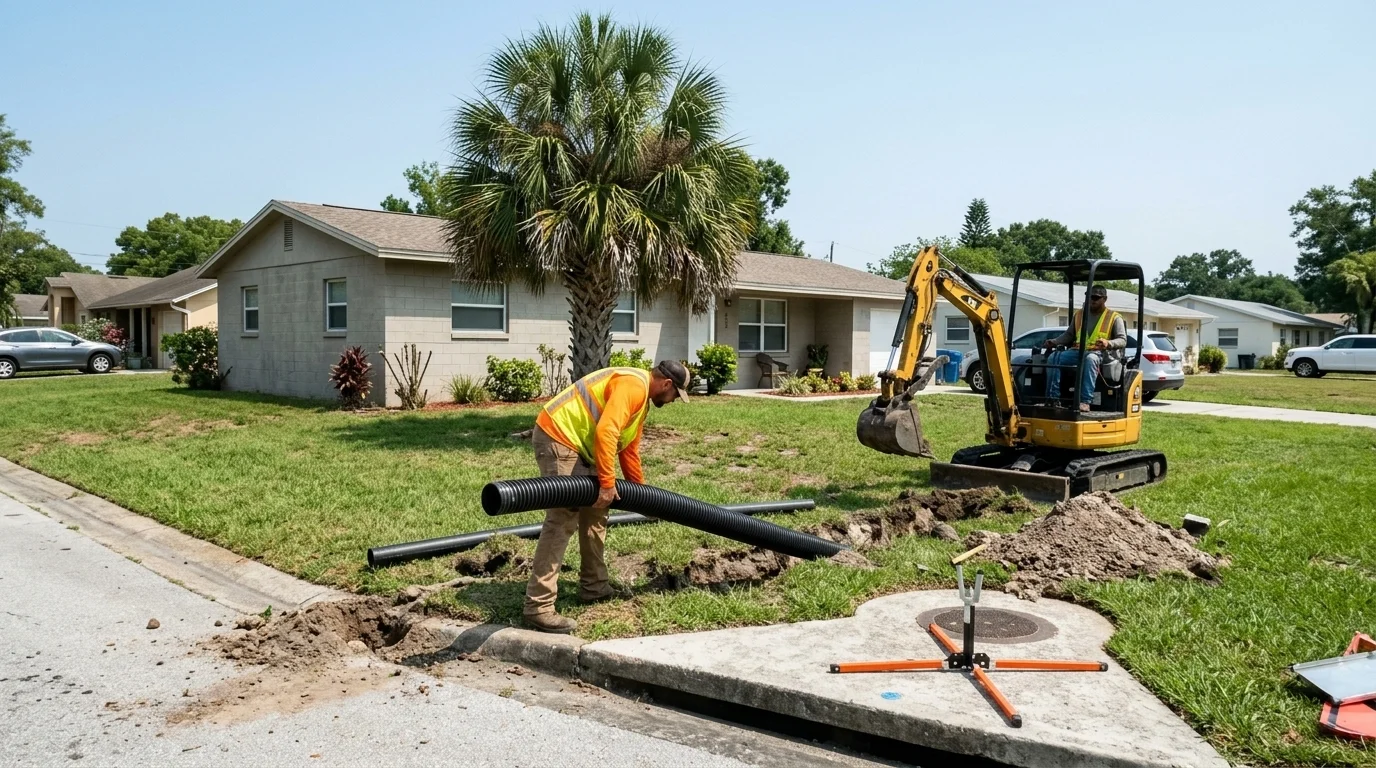
Philadelphia is moving to deploy satellite radar technology to hunt for leaks in its aging underground pipelines, a city that manages some of the oldest water and gas infrastructure in the country and loses roughly a quarter to a third of its treated water before it ever reaches a tap.
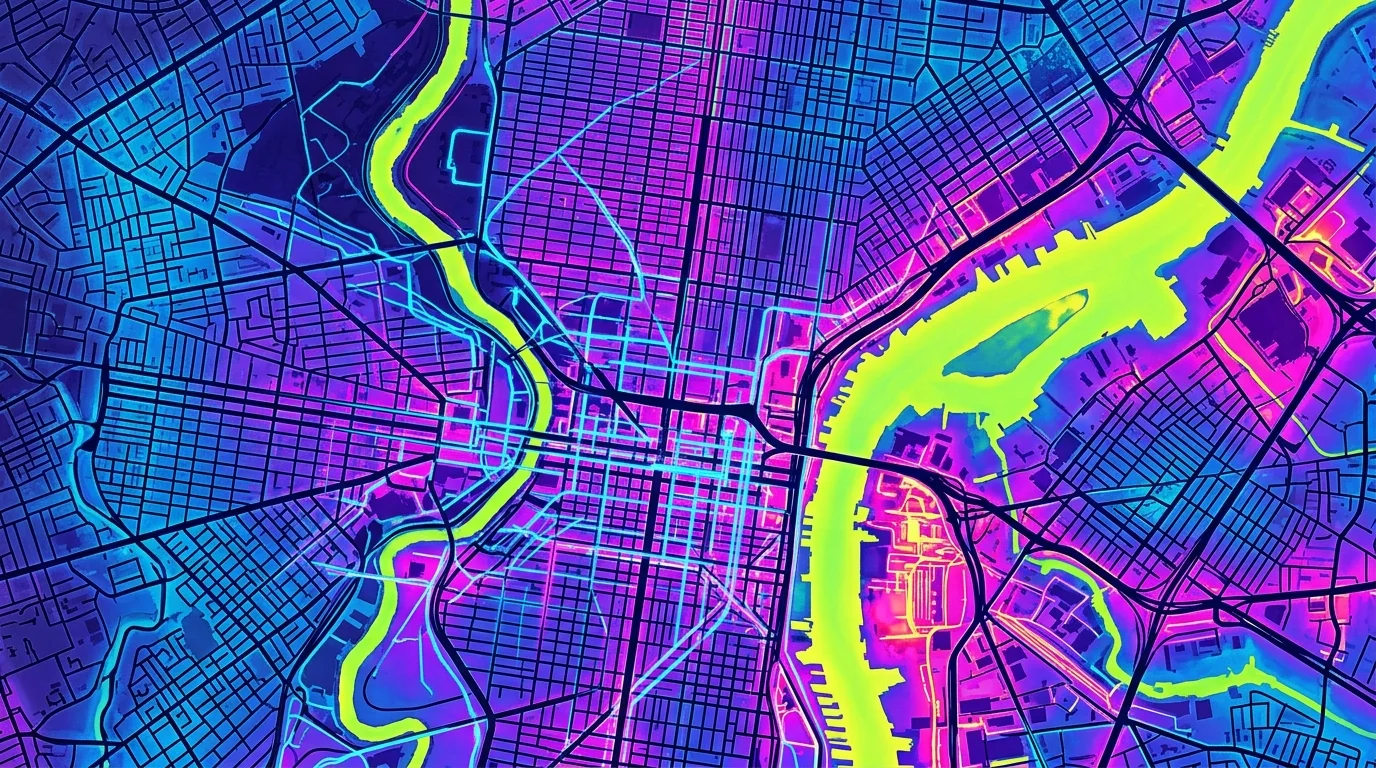
The city is looking to use Interferometric Synthetic Aperture Radar, or InSAR, a technique that measures ground surface deformation as small as a few millimeters from orbit. Subtle shifts in soil can signal a subsurface leak well before a main ruptures or a sinkhole opens. The goal is to find problems before they become emergencies.
The scale of what Philadelphia is monitoring is significant. The Philadelphia Water Department manages roughly 3,300 miles of water mains, many installed in the late 19th and early 20th centuries. Philadelphia Gas Works, the largest municipally-owned gas utility in the United States, operates around 6,000 miles of gas mains, thousands of which have known leaks at any given time, a consequence of aging cast-iron pipes that regulators and environmental groups have repeatedly flagged. At the current pace of pipe replacement, engineers estimate it would take more than a century to replace the full PGW system.
The city is also seeking satellite detection capability for chemical pipelines, a detail that points toward Philadelphia's industrial corridors along the lower Schuylkill River. The 2019 explosion and fire at the Philadelphia Energy Solutions refinery, the largest on the East Coast, released thousands of pounds of hydrofluoric acid and hydrocarbons and became a turning point for how the city thinks about industrial hazard monitoring. Multiple petroleum and chemical pipelines still run through residential neighborhoods across the city.
Satellite-based leak detection has been piloted by utilities in the United Kingdom, Israel, and several U.S. cities including Washington, D.C., and San Diego. For Philadelphia, the approach carries both environmental and financial stakes. Under EPA methane regulations finalized in late 2023, gas utilities now face escalating financial penalties for methane leaks, and PGW has among the highest leak rates of any gas utility in Pennsylvania. Finding leaks faster could reduce both emissions and costs.
The push also carries equity implications. Pipeline leaks and water main breaks in Philadelphia fall hardest on lower-income neighborhoods with the oldest infrastructure, and the city has committed to climate goals that sit in tension with continued operation of a sprawling gas distribution network.
City officials have not specified a timeline for selecting a vendor or deploying the technology. How quickly Philadelphia can move from procurement to active monitoring in the field remains to be seen.