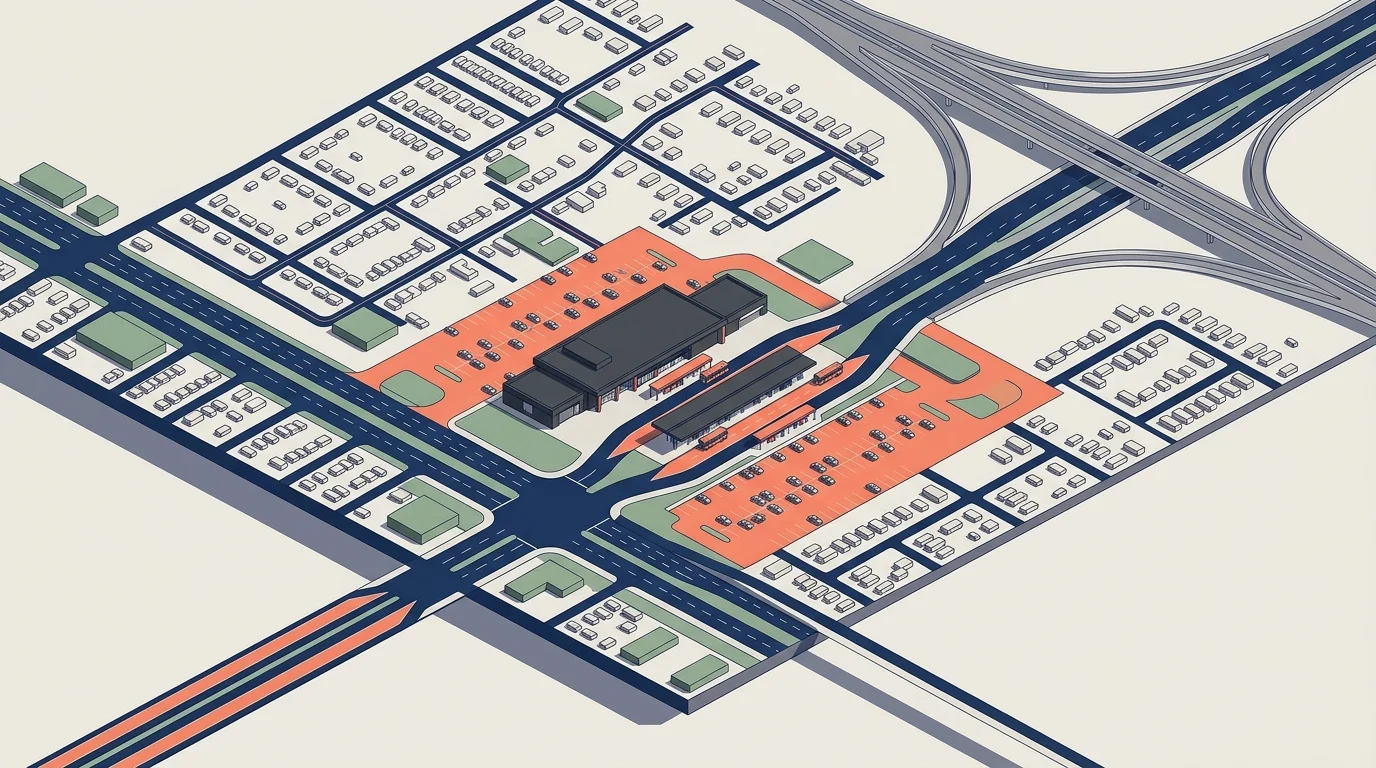
Loveland, Colorado is moving ahead with the centerpiece of its first permanent public transit hub, advancing a project that reflects how fast this Northern Colorado city is growing and how much strain that growth is putting on roads built for an earlier era.
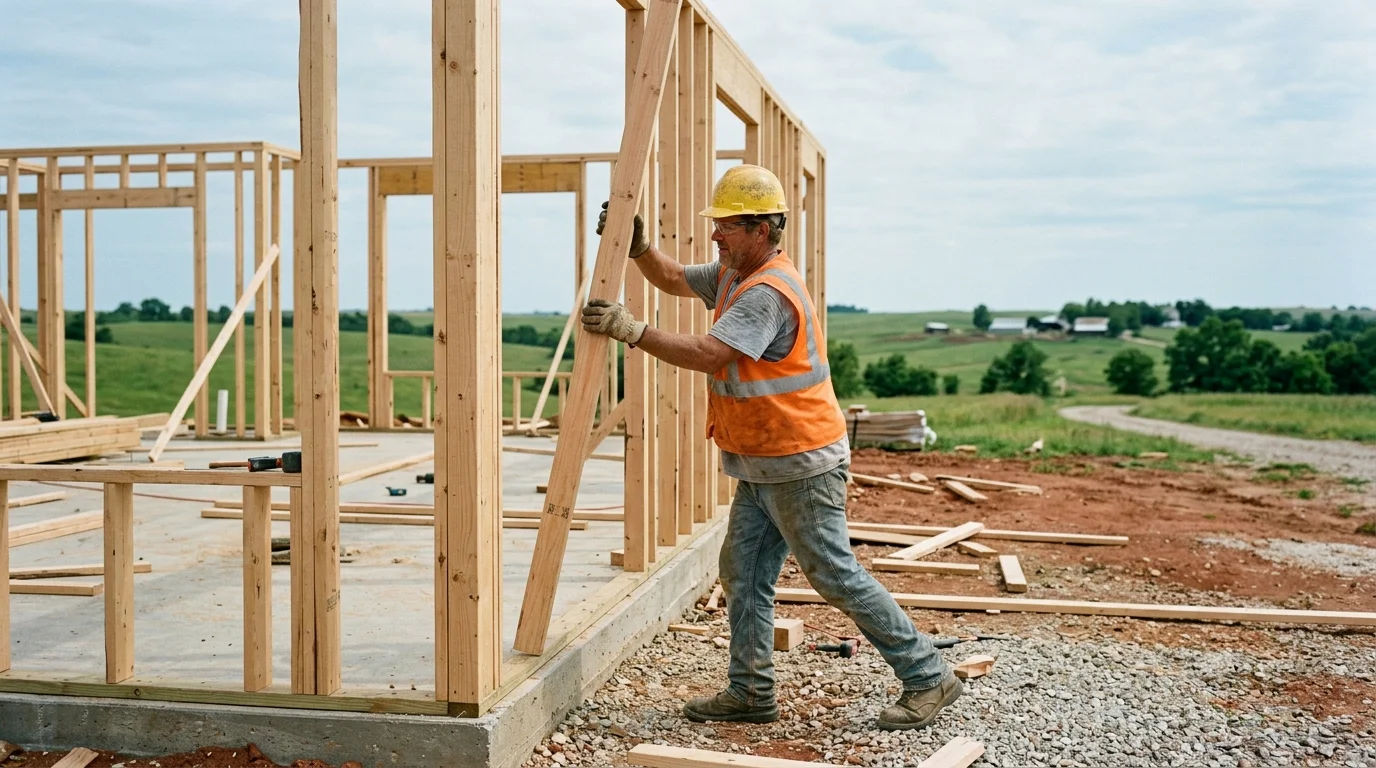
The city is now seeking a general contractor to build Phase 2 of the Loveland Transit Center, which covers the actual passenger-facing building where riders will wait, board, and connect between routes. Earlier work on the site, including utilities and foundational infrastructure, has already been completed or is underway. The solicitation is posted on the Rocky Mountain Bid System.
The transit hub matters to a city that has historically relied on informal bus stop arrangements rather than a dedicated facility. Loveland operates its own municipal transit system, COLT, and a permanent center gives that system a visible, functional anchor, something transit planners say is essential for attracting riders who might otherwise stick to their cars.
The timing is tied to broader shifts in the region. Larimer County grew roughly 15 percent between 2010 and 2020, and the I-25 corridor between Denver and Fort Collins, where Loveland sits at roughly the midpoint, has been one of the fastest-growing stretches in Colorado. CDOT's ongoing North I-25 Express Lanes project, a $750 million-plus overhaul of the corridor, has accelerated the need for transit nodes that can connect local routes to regional buses and express services.
Federal infrastructure dollars have helped make the project possible. The 2021 Bipartisan Infrastructure Law pushed an unprecedented level of capital funding toward small and mid-sized city transit projects, and Colorado has been aggressive in pursuing those grants. Because of Colorado's TABOR amendment, which requires voter approval for local tax increases, municipalities like Loveland depend heavily on outside funding for capital projects like this one.
The city is using a Construction Manager/General Contractor delivery model, which brings a contractor into the process during design rather than after plans are finalized. That approach is increasingly common in Colorado for complex public projects, particularly ones that need to be built in phases or around active operations.
How many riders will ultimately use the facility remains an open question. Small-city transit systems across the West often struggle to build ridership in communities where car ownership is near-universal and destinations are spread out. Construction cost inflation has also hit Colorado municipal projects hard in recent years, with some seeing budgets rise 20 to 40 percent over original estimates. Whether Phase 2 has stayed within its original projections has not been disclosed publicly.
Contractor selection is the next step before construction can begin.