Columbus, Ohio, the largest city in the United States without a passenger rail system, is taking its most concrete step yet toward transforming how residents move through the metro area. The Central Ohio Transit Authority is hiring a construction manager for a major Bus Rapid Transit overhaul along the East Main Street corridor, a move that signals the project is shifting from years of planning into active construction preparation.
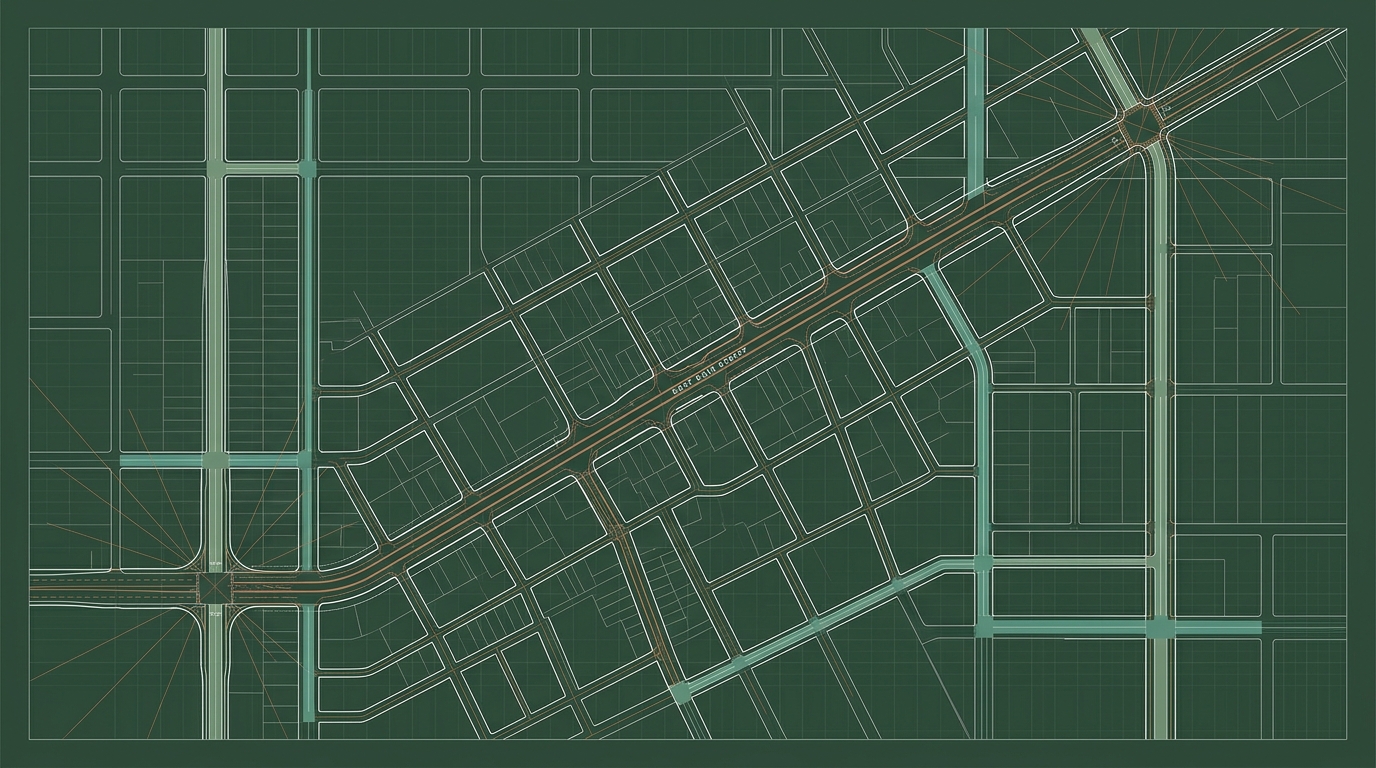
The East Main Street corridor runs eastward from downtown Columbus through the Near East Side, Whitehall, and Reynoldsburg, communities with some of the region's highest shares of transit-dependent residents. It is already one of COTA's busiest routes, and the BRT upgrade would bring dedicated bus lanes, upgraded stations, traffic signal priority, and faster, more reliable service to thousands of daily riders.
The project is a centerpiece of LinkUS, the regional mobility initiative launched in 2020 by COTA, the City of Columbus, Franklin County, and the Mid-Ohio Regional Planning Commission. The initiative got a significant financial boost from the 2021 federal Bipartisan Infrastructure Law, which expanded federal transit grants for BRT and rail projects. Then in November 2024, Franklin County voters approved a 0.5% sales tax increase specifically to fund LinkUS corridors, the first dedicated transit tax increase in the region in years and a major political victory for transit advocates.
COTA is using a Construction Manager-at-Risk delivery model, which brings the construction manager into the project early alongside designers to control costs and flag potential problems before they become expensive ones. It's an approach agencies use when they want to reduce the risk of the overruns and delays that have plagued large transit projects elsewhere.
The stakes are high. Columbus has grown by roughly 100,000 residents over the past decade, adding congestion and housing pressure across corridors like East Main Street. The Near East Side in particular is experiencing rapid gentrification, raising concerns from community groups about displacement even as new transit investment arrives. Residents further east in Whitehall have waited years for the kind of reliable, frequent service that BRT promises to deliver.
Full project costs and a construction timeline have not been publicly detailed in COTA's procurement materials. With a construction manager now being selected, those figures should come into clearer focus in the months ahead.