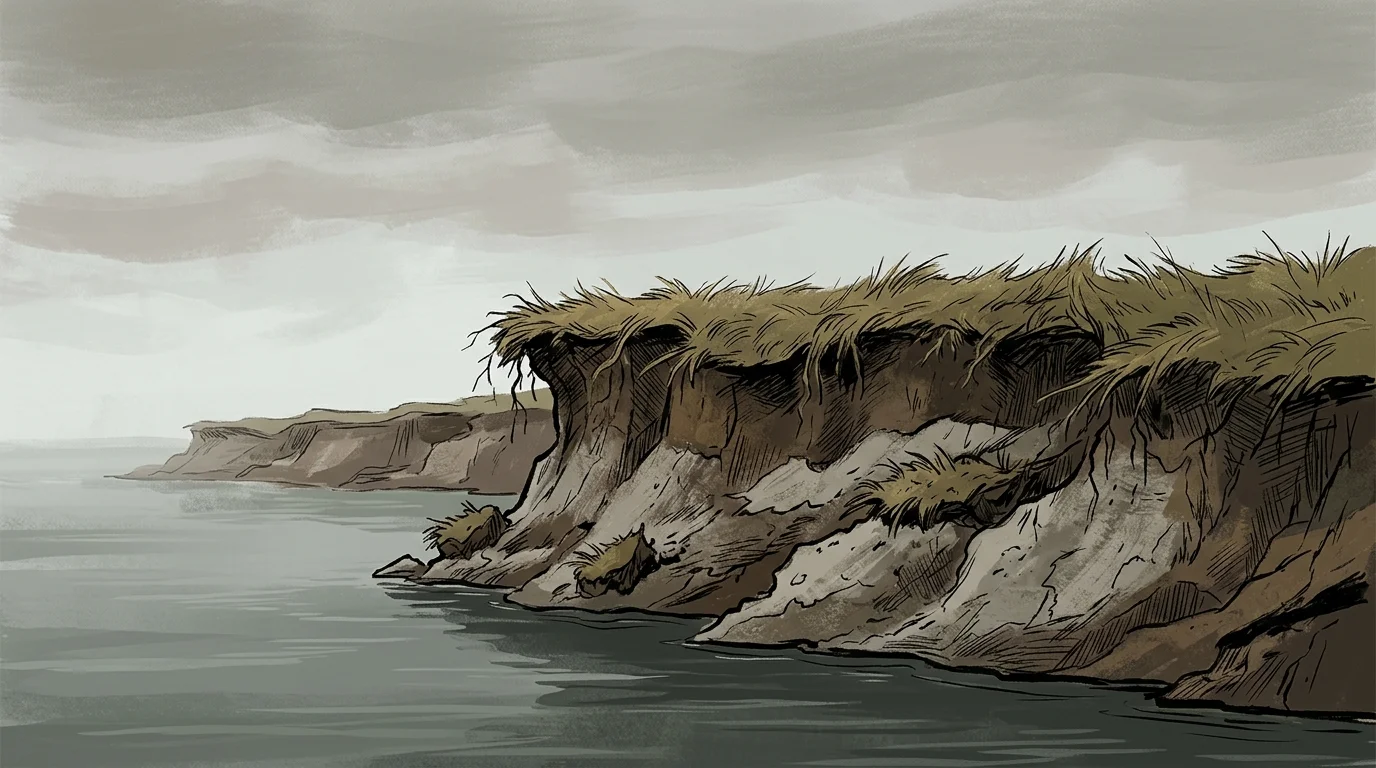
Clermont, Florida is moving to stop erosion eating away at the 12th Street shoreline near its downtown waterfront, a stretch the city has invested heavily in as a recreational and economic anchor for one of the fastest-growing communities in the state.
The city has posted the project to its procurement portal and is seeking contractors to stabilize the shoreline, which sits near Lake Minnehaha and the broader Clermont Waterfront district. The erosion threatens not just the bank itself but nearby roads, stormwater infrastructure, and utilities that serve the surrounding area. Budget and timeline details have not been made public yet.
Clermont's situation reflects a pattern playing out across Florida's inland lake communities. The city, located about 22 miles west of Orlando in Lake County, sits in the Chain of Lakes region, where freshwater lakes define property values and civic identity. Its population has roughly doubled since 2010, to around 50,000, and that growth has a direct cost to the shoreline: more rooftops, roads, and parking lots mean more stormwater rushing into the lakes after rain, which accelerates erosion. Heavier rainfall from increasingly active Atlantic hurricane seasons compounds the damage.
Florida has pushed municipalities to get ahead of these problems rather than scramble after them. The state's Resilient Florida Grant Program, launched in 2021, has channeled hundreds of millions of dollars to local governments for exactly this kind of project, and Clermont falls under the St. Johns River Water Management District, which has encouraged natural stabilization techniques over traditional concrete seawalls.
For Clermont, the stakes are practical as well as aesthetic. The city has poured resources into its downtown lakefront, including Clermont Waterfront Park and connections to the South Lake Trail, betting that waterfront access will attract residents and investment. Letting the 12th Street shoreline degrade would undercut that bet. But stabilizing it also competes with the enormous infrastructure demands that come with rapid growth: roads, sewers, and water systems all need funding at the same time.
The city is in the early stages of contractor selection, meaning design details and a construction timeline are still to come. How the project will be funded, and whether it draws on state resilience money, has not been announced.