Children born with GM1 gangliosidosis, a rare genetic disease that destroys the nervous system, currently have no treatment beyond managing their symptoms as they progressively lose the ability to hear, see, and move. California researchers are now working toward something that could change that: delivering gene therapy before a baby is born.
A $649,600 grant from the National Institutes of Health is funding the groundwork for what would be the first prenatal gene therapy clinical trial for GM1 gangliosidosis, a condition caused by mutations in a single gene called GLB1. Most affected children, particularly those with the severe infantile form, die in early childhood.
The disease begins damaging the brain before birth, which is precisely why researchers believe treating it after delivery may be too late. An ongoing postnatal gene therapy trial has shown the treatment is safe and produces some benefit, but even infants treated early still succumb to the disease because irreversible neurological damage starts in the womb.
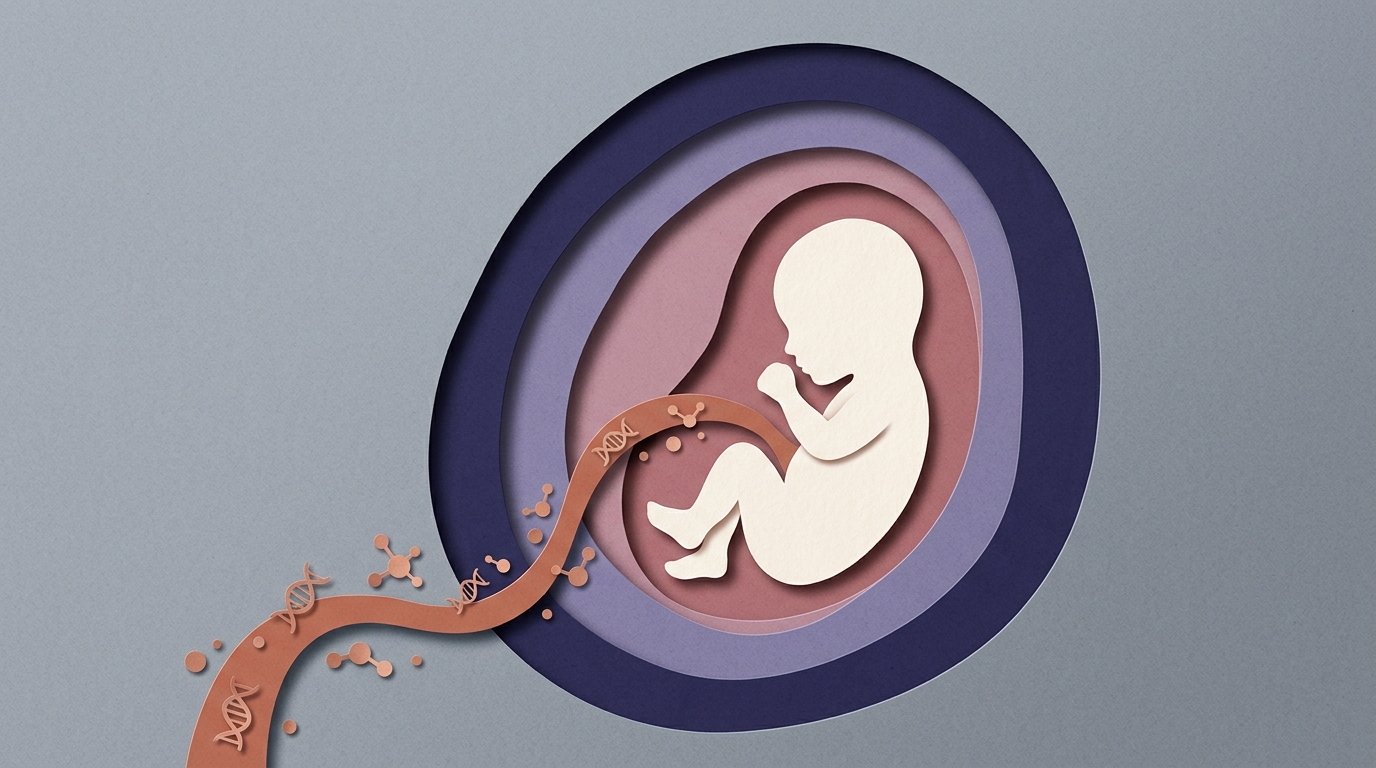
The California team's approach uses an AAV9 vector, the same delivery mechanism behind gene therapies that have transformed outcomes for children with spinal muscular atrophy, a different fatal neurological condition. The therapy would be administered directly to the fetus by infusing the gene through the umbilical vein, a technique already used safely in experimental enzyme replacement therapies for similar disorders.
The grant will fund safety and toxicology studies in a prenatal lamb model, development of tests to measure whether the therapy is working in amniotic fluid, and outreach to patients and families to understand their perspectives on the new approach. Researchers have already filed a pre-IND application with the FDA, meaning this work is aimed squarely at clearing the regulatory path to a human trial.
Whether a full clinical trial follows will depend on the results of these studies and FDA review, but the team believes the science and the ethical framework are ready to move forward.