Flowery Branch, Georgia is replacing sewer mains on two streets near its historic core, a project that reflects the hidden costs of one of metro Atlanta's fastest-growing small cities pushing decades-old pipes well past their limits.
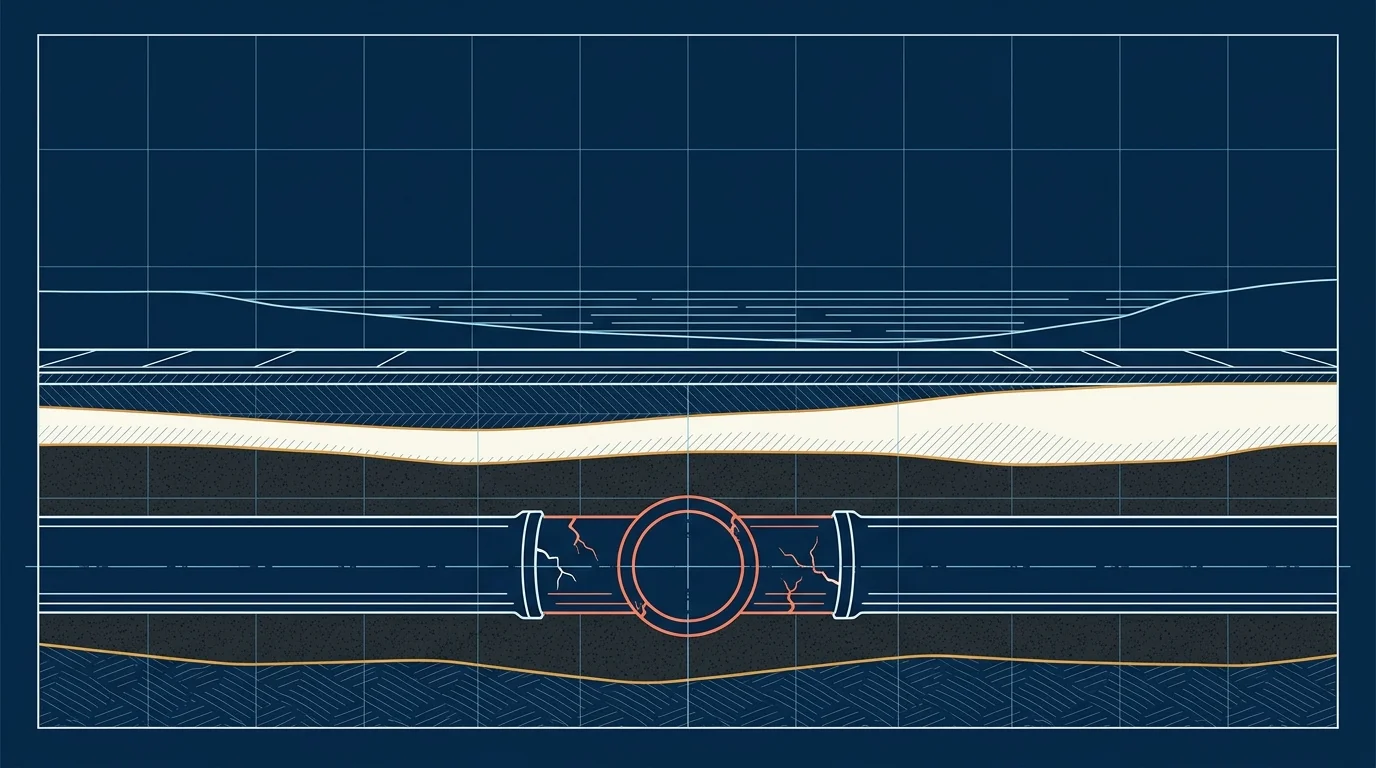
The city is seeking contractors to replace the underground sewer mains on Cove Creek Drive and Spring Street. The lines are believed to date back to the city's original sewer buildout, and sewer mains of that era typically have lifespans of 50 to 75 years. When they fail, the consequences can be severe: cracked and aging pipes allow groundwater to flood in, overwhelming treatment capacity, and can trigger sanitary sewer overflows that discharge raw sewage directly into nearby waterways.
For Flowery Branch, the stakes are particularly high. The city sits on the southern shore of Lake Lanier, about 50 miles northeast of Atlanta, and the lake is the primary drinking water source for much of metro Atlanta. Georgia's Environmental Protection Division has historically issued consent orders and fines to municipalities around the lake for sewer overflows, making proactive replacement the far better alternative.
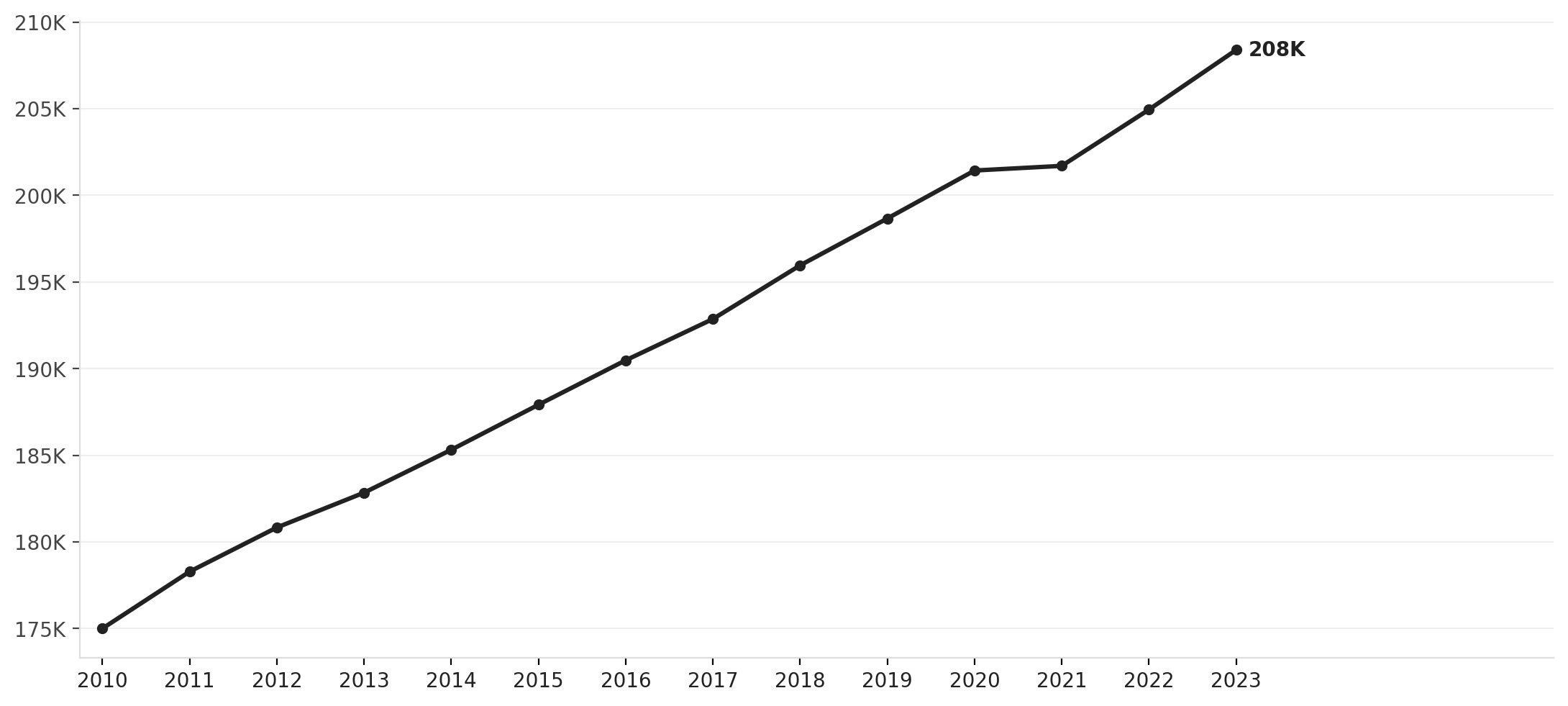
Source: U.S. Census Bureau, American Community Survey.
The pressure on Flowery Branch's sewer system is a direct consequence of its own growth. The city's population has roughly tripled since 2000 as exurban migration from Atlanta brought residents seeking affordable housing and lakeside living. Hall County as a whole grew from about 139,000 people in 2000 to over 200,000 by the early 2020s. That growth has strained infrastructure originally designed for a small lakeside town, creating what planners call a classic small-city squeeze: a tax base growing faster than before, but not fast enough to keep up with the capital demands of aging systems now serving far more users than intended.
The project cost has not been made public in the RFP posting, and it is not yet clear whether Flowery Branch is financing the work through its own budget, bonding, or state and federal programs. Georgia's Environmental Finance Authority administers low-interest loan and grant programs for exactly this kind of municipal sewer work, backed in part by the $11.7 billion the 2021 Bipartisan Infrastructure Law directed toward clean water revolving funds nationwide. For a city with an estimated annual budget in the range of $10 to $15 million, outside financing would likely be necessary for a major replacement project.
Contractor selection is underway, with the city aiming to complete the work as part of its fiscal year 2026 capital program.