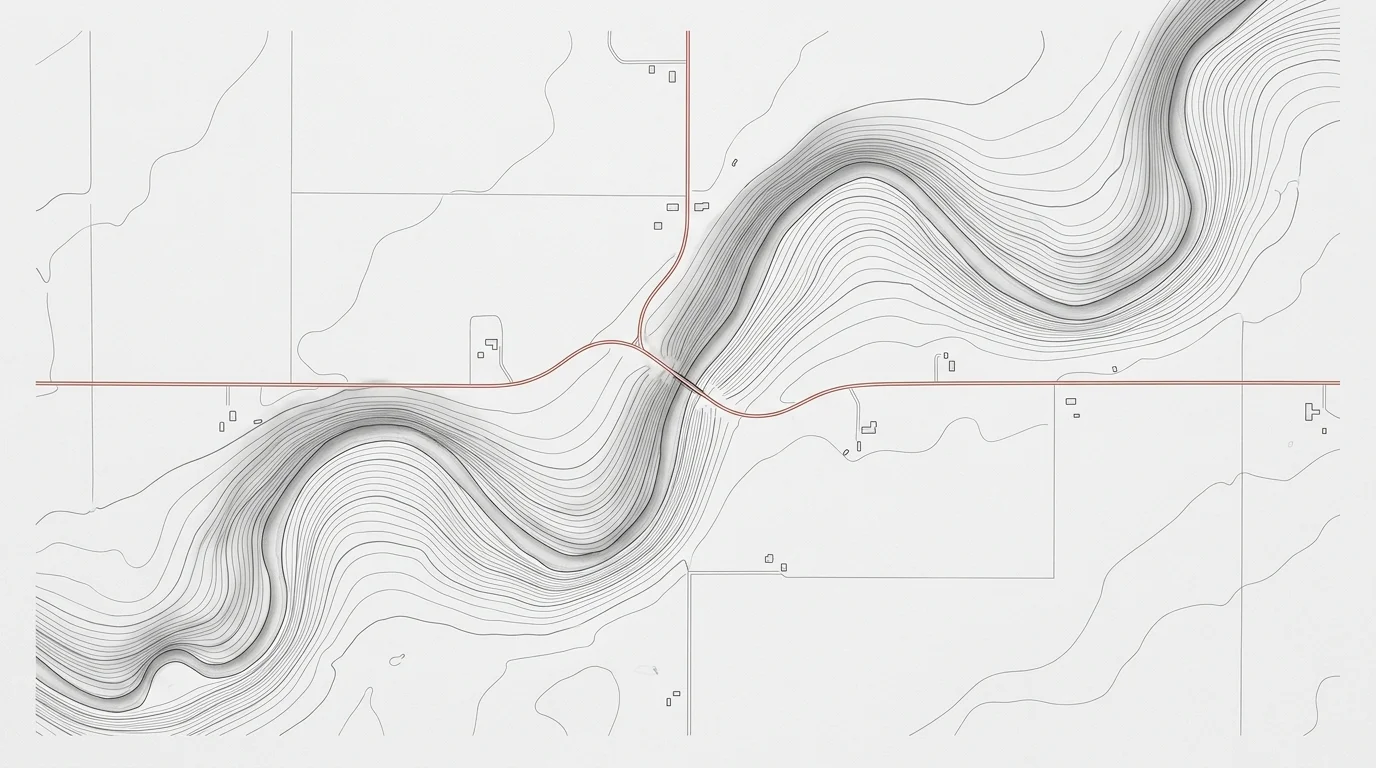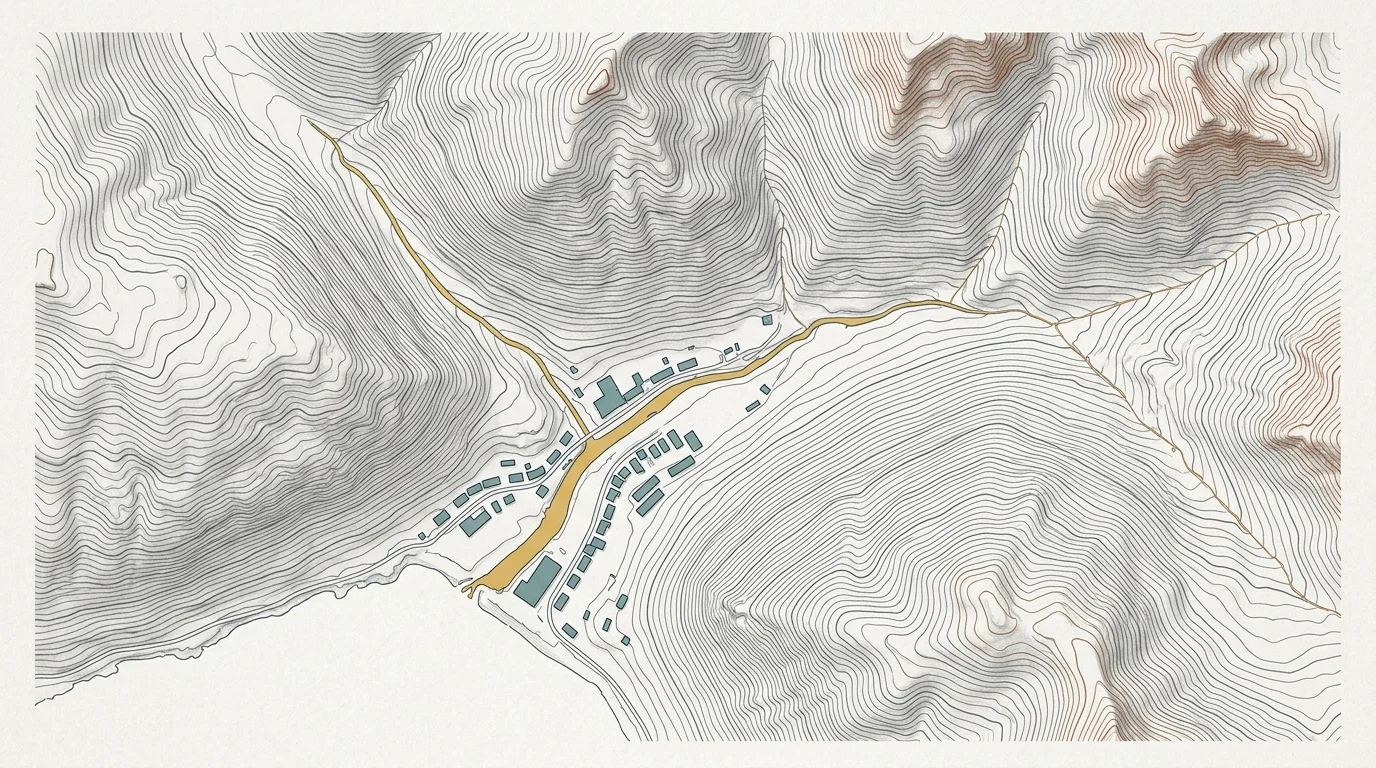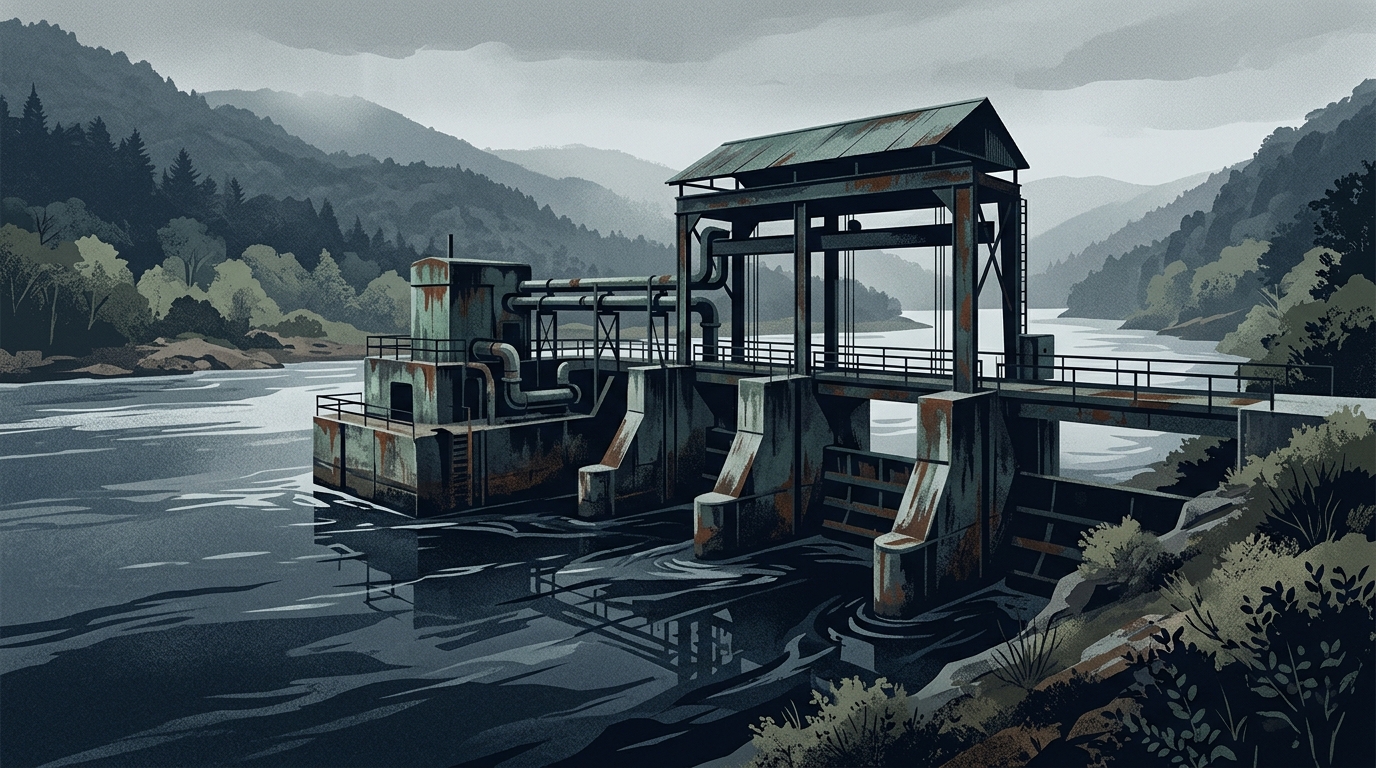
Logan, West Virginia sits along the Guyandotte River in the southern coalfields with a water system built for a region that no longer exists. The city's water department serves a shrinking, lower-income community from a single source, meaning one contamination event or service interruption could leave residents with nothing to drink.
A $500,000 EPA grant is now funding the first step toward fixing that: designing a backup water supply. The money, directed to the Logan Water Department through the FY2023 federal spending package, will pay for engineering plans, land acquisition, easements, and permits for a secondary water source. Construction funding has not been secured.
The stakes are well understood in West Virginia. In January 2014, a chemical spill into the Elk River upstream of Charleston's water intake left 300,000 people without usable water for days, a disaster that exposed just how quickly a single-source system can fail. Logan's situation shares that same structural vulnerability, with the added complication of legacy coal mining operations and impoundments that can threaten surface water quality in the region.
Logan County has lost roughly 5,000 residents since 2000, shrinking to about 32,000 people, and the county's median household income sits around $33,000 to $35,000, less than half the national figure. For a utility serving that kind of customer base, raising rates to fund major capital projects is not a realistic option. Similar funding gaps have driven federal investment in nearby Appalachian water systems, including a $3 million upgrade covering eight communities in Floyd County, Kentucky.
The grant flows through Congress's earmark process, revived in 2021 after a decade-long ban. West Virginia's delegation, particularly Sen. Shelley Moore Capito, who sits on the Senate Appropriations subcommittee that funds the EPA, has been among the most active in securing water infrastructure earmarks for the state.
What Logan receives now is a plan. Engineering design work will map out what a secondary supply would require and what it would cost. That finished plan will then need to compete for a separate, likely much larger, round of construction funding before any pipes go in the ground.