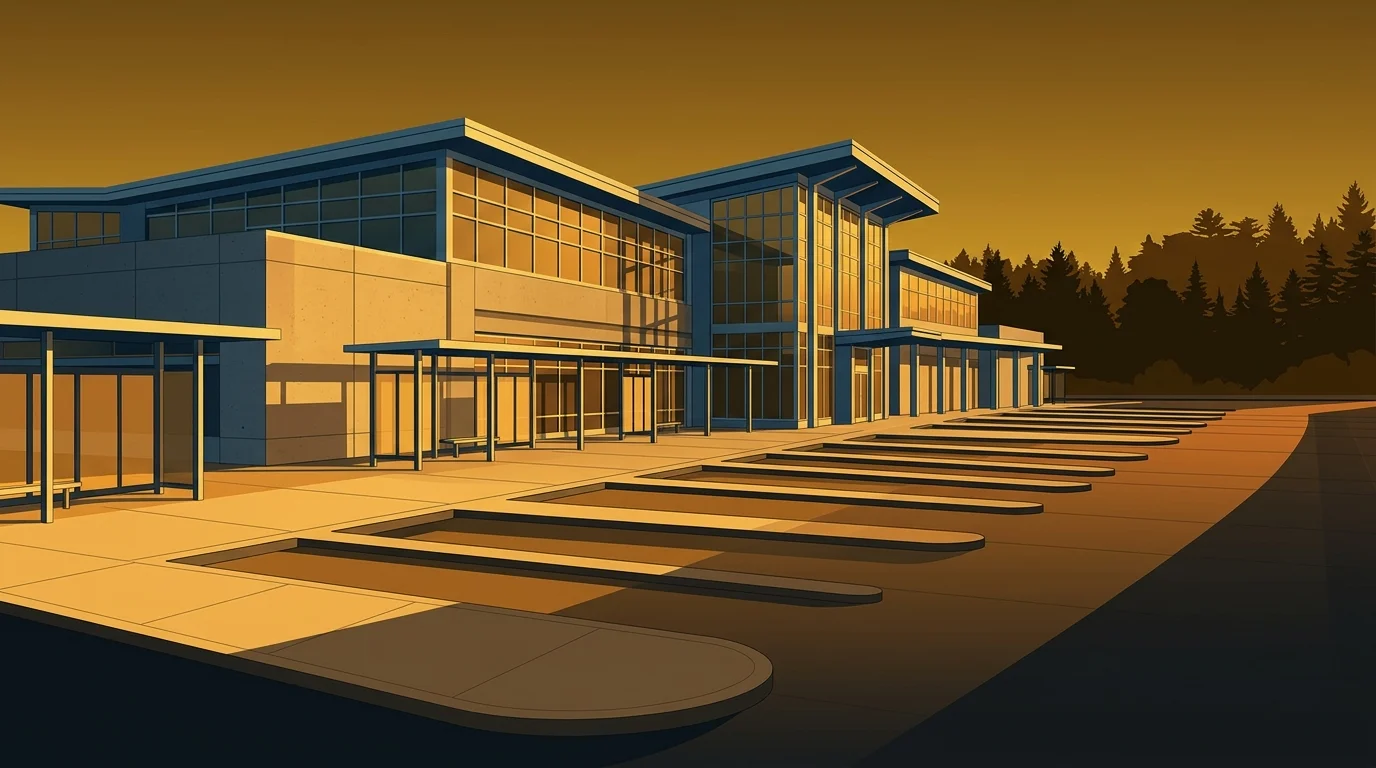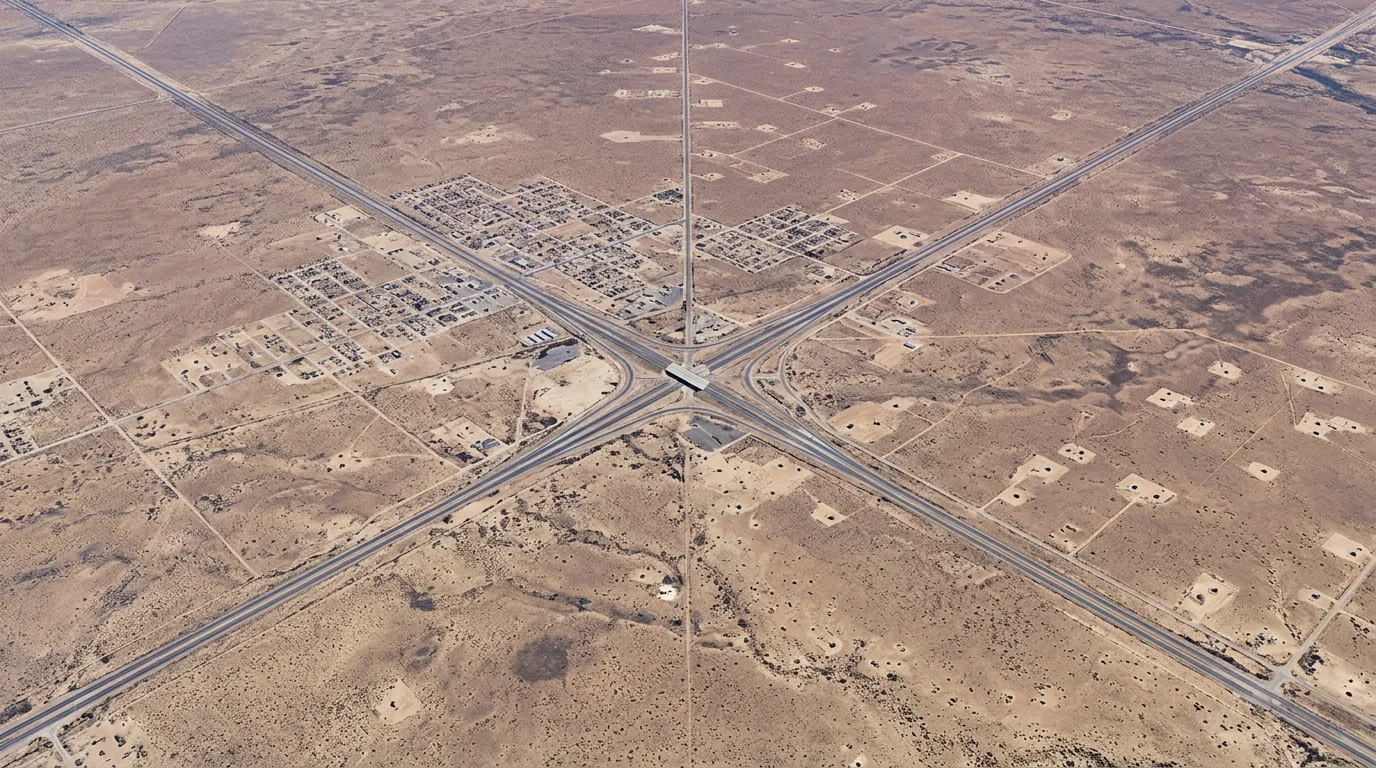
Odessa, Texas is getting a new bridge and interchange at one of the Permian Basin's most congested intersections, backed by nearly $31 million in federal highway funding, as the state races to rebuild roads being ground down by the world's most productive oilfield.
The project targets the junction of US 385 and South Loop 338, a bottleneck that has grown increasingly dangerous as oil production transformed West Texas over the past decade. US 385 is the main north-south artery through the Permian Basin, carrying tanker trucks, fracking equipment haulers, sand trucks, and tens of thousands of daily commuters between well sites and population centers. Some segments see 30,000 to 40,000 vehicles a day, with commercial trucks making up a disproportionate share. The at-grade intersection with South Loop 338, Odessa's ring road, has long been a pressure point in that system.
The $30.9 million flows through the National Highway Performance Program, the largest single program under the 2021 Bipartisan Infrastructure Law, which dedicated $148 billion nationally to upgrading the highway system. Because NHPP projects typically require a 20 percent state match, the full cost of the interchange could approach $38.7 million.
The need has been building for years. The shale boom that began around 2010 brought explosive growth to Odessa and the broader Permian region, pushing the city's population past 115,000 by 2020 and flooding its roads with industrial traffic. Fatal crash rates on Permian Basin highways spiked dramatically during the last major production surge in 2018 and 2019, drawing statewide attention and prompting the Texas Legislature to direct oil and gas severance tax revenue toward transportation. TxDOT has been systematically upgrading US 385 in phases ever since, building interchanges, widening lanes, and adding frontage roads in an effort to convert it from a two-lane highway into a limited-access, interstate-grade facility. Similar federal investments have funded corridor upgrades elsewhere in Texas, including a $39.7 million widening project on US 377 in southern Denton County.
Local officials have consistently argued that even the expanded federal pipeline cannot fully keep pace with the infrastructure demands of a region producing more than 6 million barrels of oil per day. Roads deteriorate faster under heavy truck loads than standard designs anticipate, and construction timelines stretch while traffic keeps growing.
No completion date has been announced publicly for the US 385 interchange. TxDOT's Odessa District is managing the project, and construction timelines for interchanges of this scale typically run two to three years after groundbreaking.