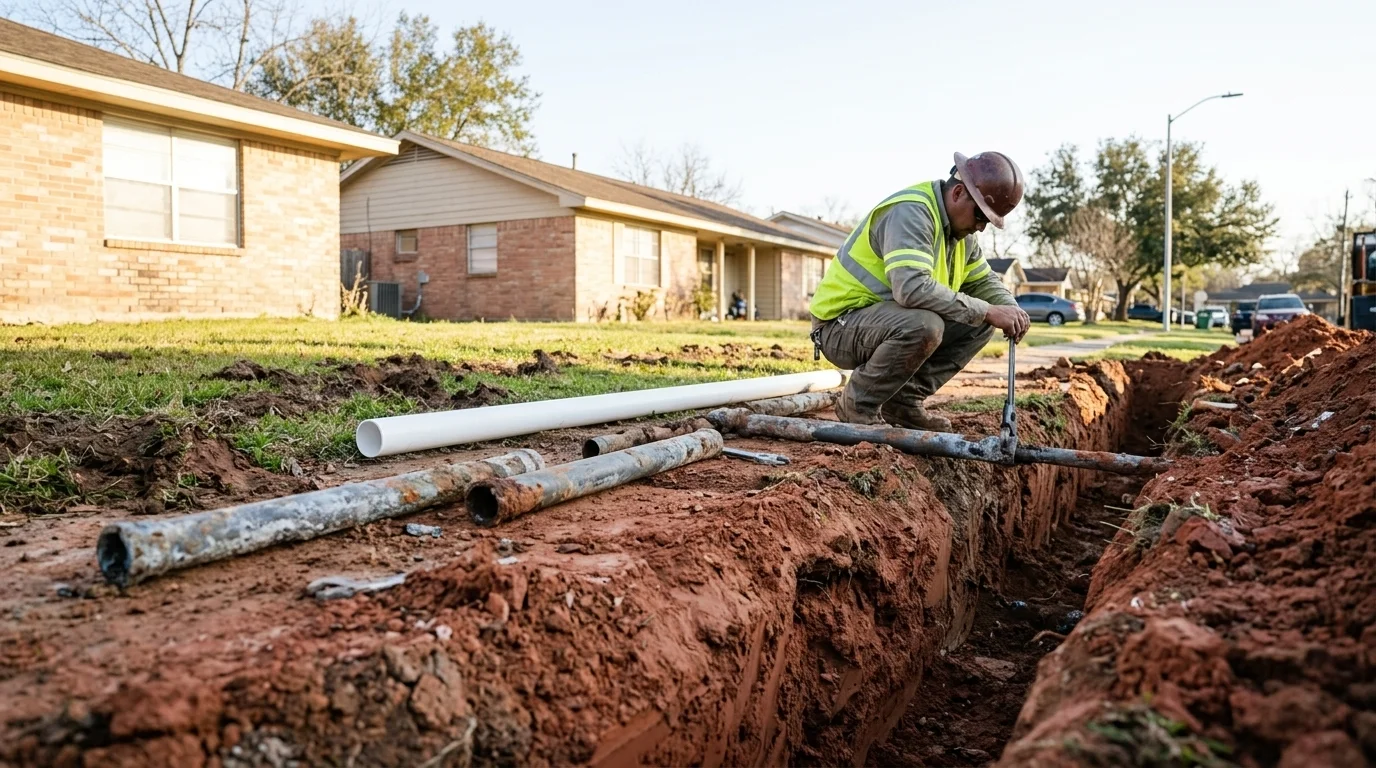
Indianapolis is moving forward with physical street redesigns aimed at reducing traffic deaths, backed by a federal grant of $1,149,120 from the U.S. Department of Transportation's Safe Streets and Roads for All program.
Marion County, which encompasses Indianapolis, has consistently ranked among Indiana's most dangerous counties for traffic fatalities. The problem mirrors a national crisis: pedestrian and cyclist deaths in the U.S. rose roughly 77% between 2010 and 2021, driven by larger vehicles, higher speeds, distracted driving, and road designs that route traffic efficiently but leave little room for anyone not in a car.
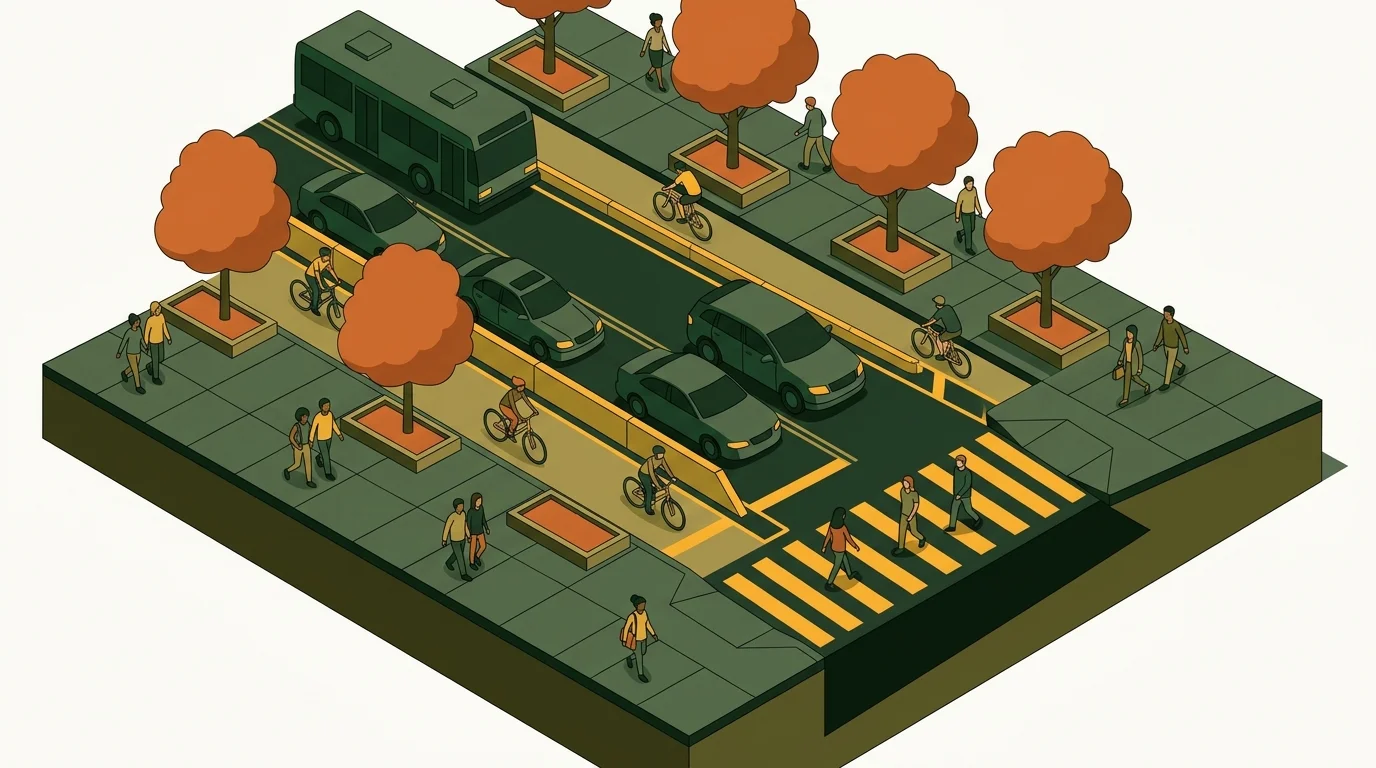
The funding will go toward Complete Street Upgrades, a design approach that reshapes roads to serve pedestrians, cyclists, transit riders, and drivers rather than prioritizing vehicle throughput alone. Indianapolis already completed the planning phase of this work using an earlier SS4A grant, developing a comprehensive Safety Action Plan. This award funds the next step: turning that plan into pavement.
Indianapolis is in some ways an unlikely candidate for a walkability overhaul. It's a famously car-dependent city, built around wide arterials and suburban sprawl under its consolidated city-county government. But demand for bikeable, walkable streets has grown alongside a boom in downtown living, and the city has pursued corridor redesigns on streets like Michigan and New York in the urban core. The celebrated Indianapolis Cultural Trail, an 8-mile urban bike and pedestrian path completed in 2013, has shown what's possible when infrastructure actually follows through on design ambitions.
The grant arrives at an uncertain moment for the program itself. SS4A was created by the 2021 Bipartisan Infrastructure Law with $5 billion authorized over five years, but the Trump administration and some congressional Republicans have questioned its priorities, raising doubts about whether the program will survive in its current form. The April 2026 award date places it among what may be the final grants issued under the program's original authorization.
Similar SS4A implementation grants have helped cities like Deerfield Beach, Florida make proven safety changes permanent, and Detroit pilot new approaches on its most dangerous corridors. Whether Indianapolis can advance its own redesigns before federal priorities shift further remains an open question.