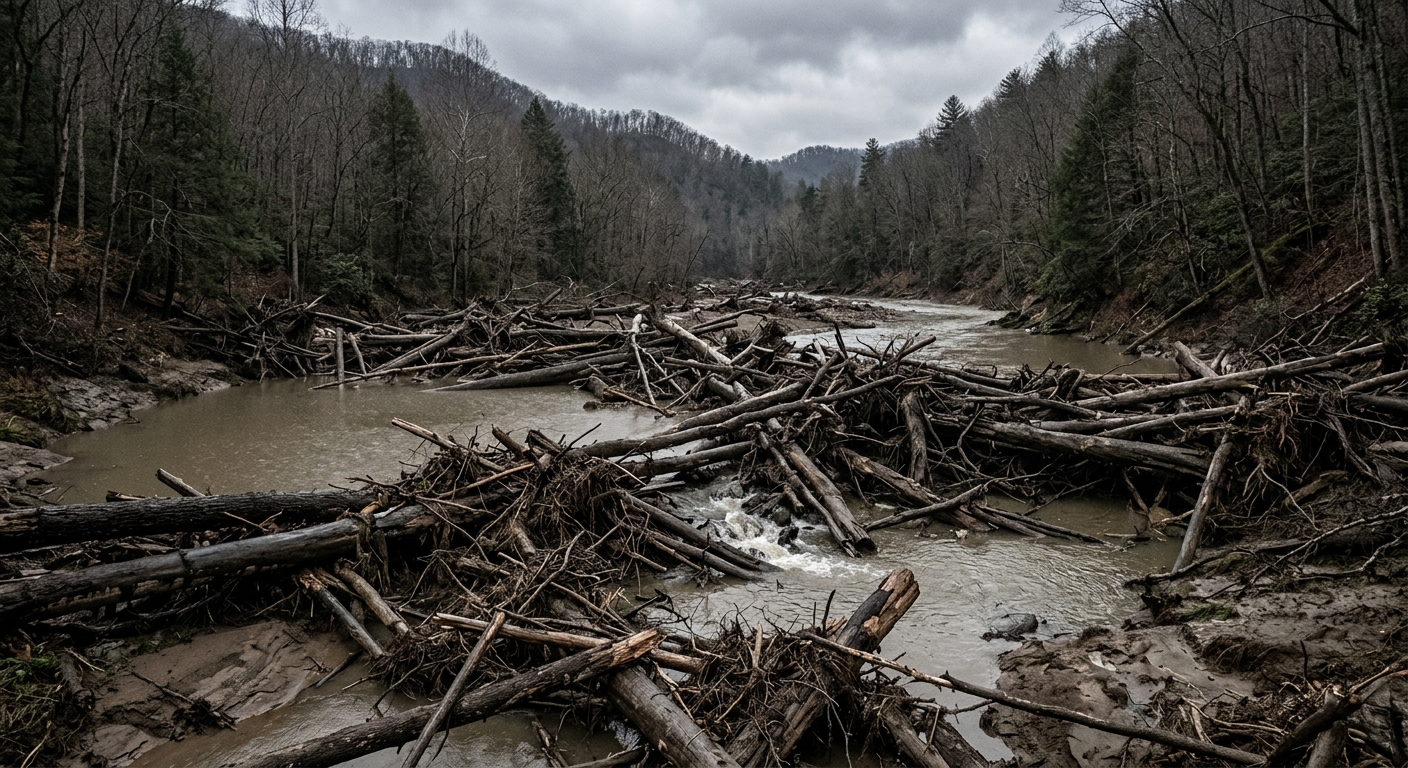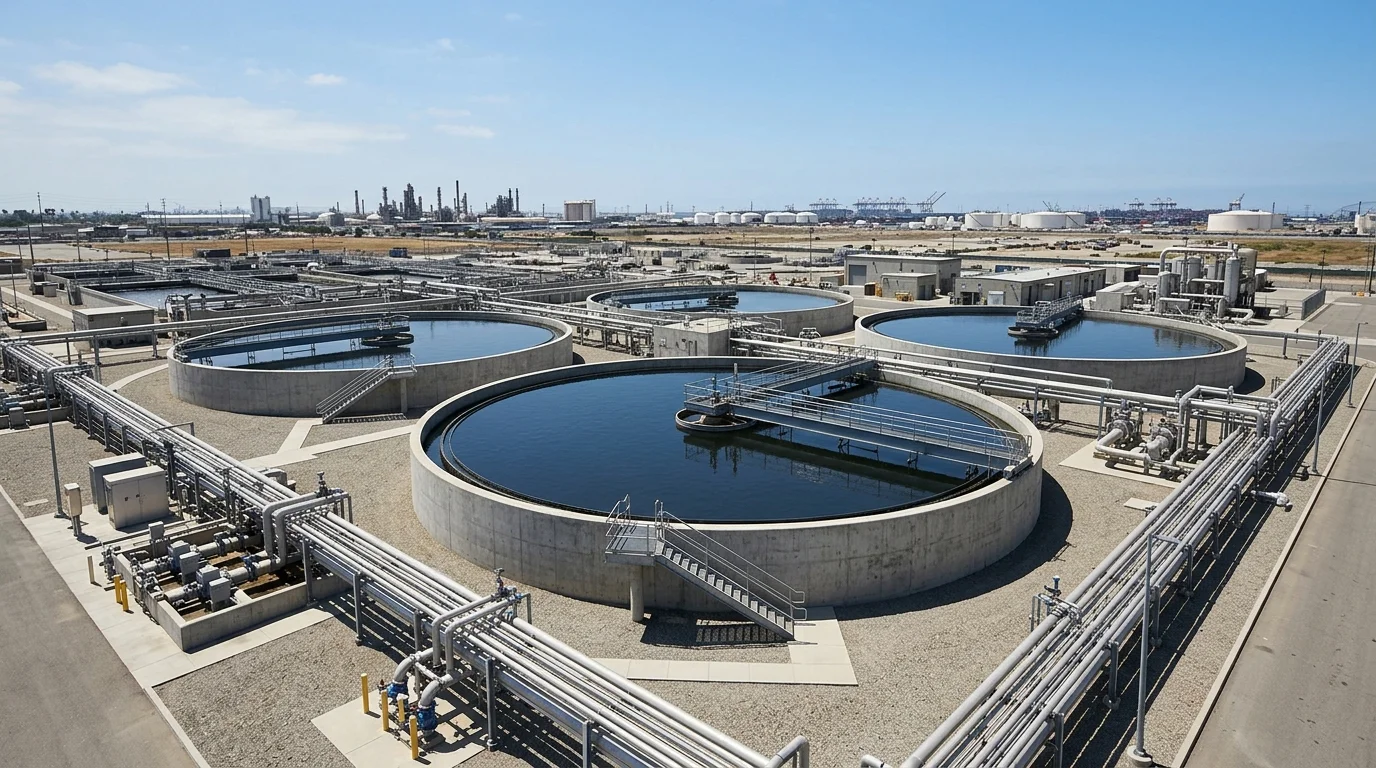
Bangor, Maine is preparing to tear up a stretch of Cumberland Street near downtown to replace pipes that have carried both sewage and stormwater in the same underground channel for well over a century, a combination that sends raw sewage into the Penobscot River every time it rains hard enough.
The project covers roughly two to three city blocks between Harlow Court and Center Street. Workers will install separate dedicated pipes for sewage and stormwater, ending a practice common in older New England cities where a single combined pipe handled both. When those systems overflow during storms, untreated sewage goes straight into local waterways. In Bangor's case, that means the Penobscot River and Kenduskeag Stream.
Bangor has been working to eliminate those overflows for more than 25 years under a consent agreement with Maine's Department of Environmental Protection, systematically separating sewers block by block across the city. Each project like this one on Cumberland Street chips away at what remains. Maine DEP's tracking shows Bangor has cut its CSO discharge volumes significantly over that period, but separation work continues.
While crews are already digging, the city and the Bangor Water District are also replacing the water main running beneath the same stretch. Much of Bangor's water distribution system dates to the late 1800s, and the Cumberland Street corridor is close to the city's oldest core. The new 24-inch main going in is a major transmission line, not just a neighborhood pipe, suggesting it serves as a primary artery feeding a broader section of the city's water system. Combining the water main work with the sewer project avoids tearing up the same street twice.
The timing aligns with a window of federal funding that may not last. The 2021 Bipartisan Infrastructure Law directed $55 billion toward water and wastewater systems nationally, much of it flowing through EPA's State Revolving Fund programs as low-interest loans or outright grants. Maine's share of that money has grown substantially, and projects like this one are exactly the kind of work those funds were designed to accelerate.
For a city of roughly 32,000 residents with a median household income well below the national average, the cost of ongoing sewer separation has been a persistent pressure on ratepayers. Bangor has few alternatives: federal law requires the work, the pipes are aging out, and Maine's freeze-thaw winters accelerate the deterioration of old cast iron and concrete infrastructure with every passing year.
The city is now seeking a contractor for the Cumberland Street work. Construction on projects of this type in Maine typically runs from late spring through fall, before winter conditions make deep excavation impractical.