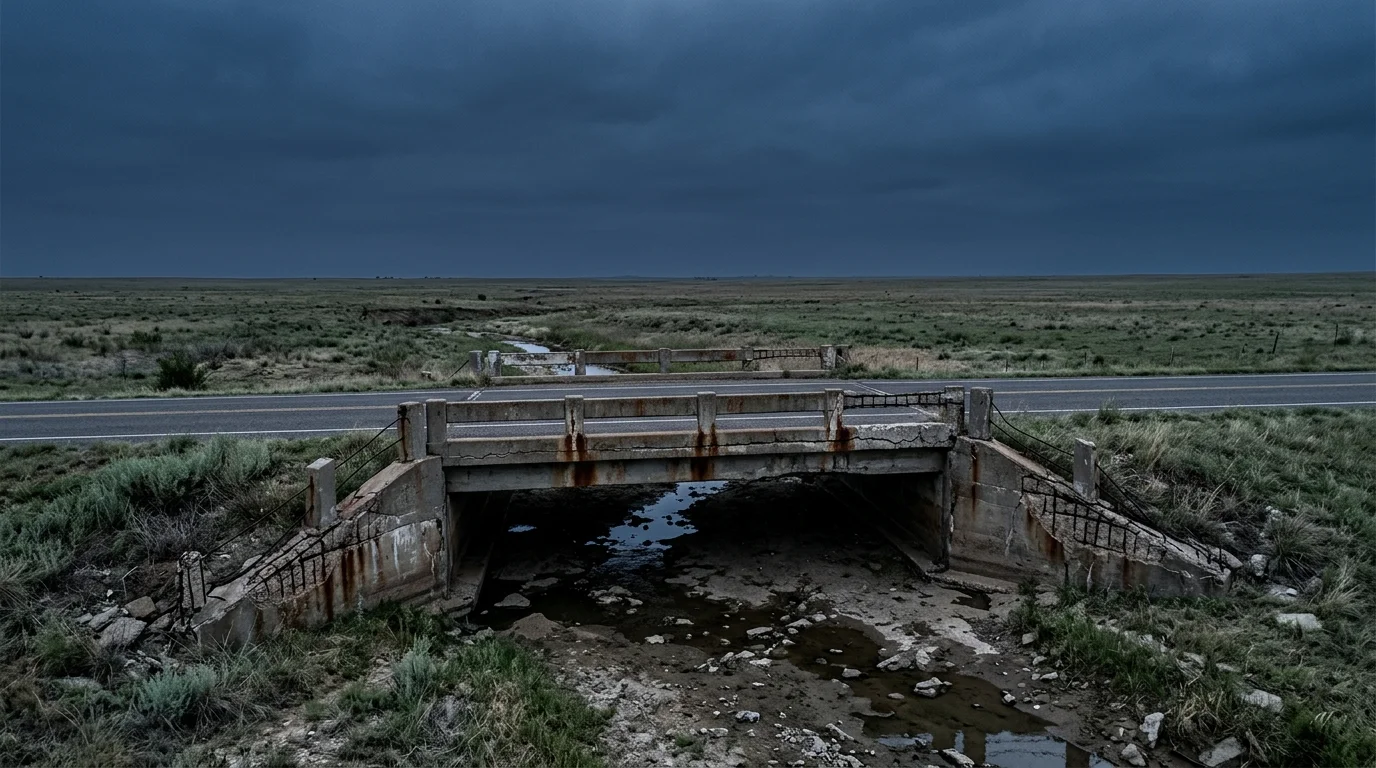
Every Chicago winter, the concrete beneath O'Hare International Airport cracks a little more. Temperatures swing above and below freezing more than 100 times a season, water seeps into hairline fractures, expands, and wedges them open. De-icing chemicals eat away at the surface. Then aircraft weighing up to a million pounds touch down and do the rest. The same story plays out at Midway, a few miles southwest on the city's lakefront.
Keeping that concrete serviceable is a continuous, unglamorous operation that sits directly beneath O'Hare's splashier $8.5 billion O'Hare 21 modernization program. While the city builds a new Global Terminal and expands concourses, the existing runways, taxiways, aprons, terminal curbs, roadways, and parking structures still have to carry 83 million O'Hare passengers and more than 20 million Midway passengers each year. The Chicago Department of Aviation is now seeking a contractor to handle that ongoing repair work across both airports.
The stakes go beyond keeping pavement smooth. The FAA requires airports to maintain minimum Pavement Condition Index scores to stay eligible for Airport Improvement Program grants, which fund a significant share of airport capital spending nationwide. Let the scores slip, and Chicago risks losing access to federal dollars that help pay for the very modernization projects the city has been touting. The FAA Reauthorization Act signed in 2024 added further emphasis on pavement condition assessments, tightening the regulatory pressure.
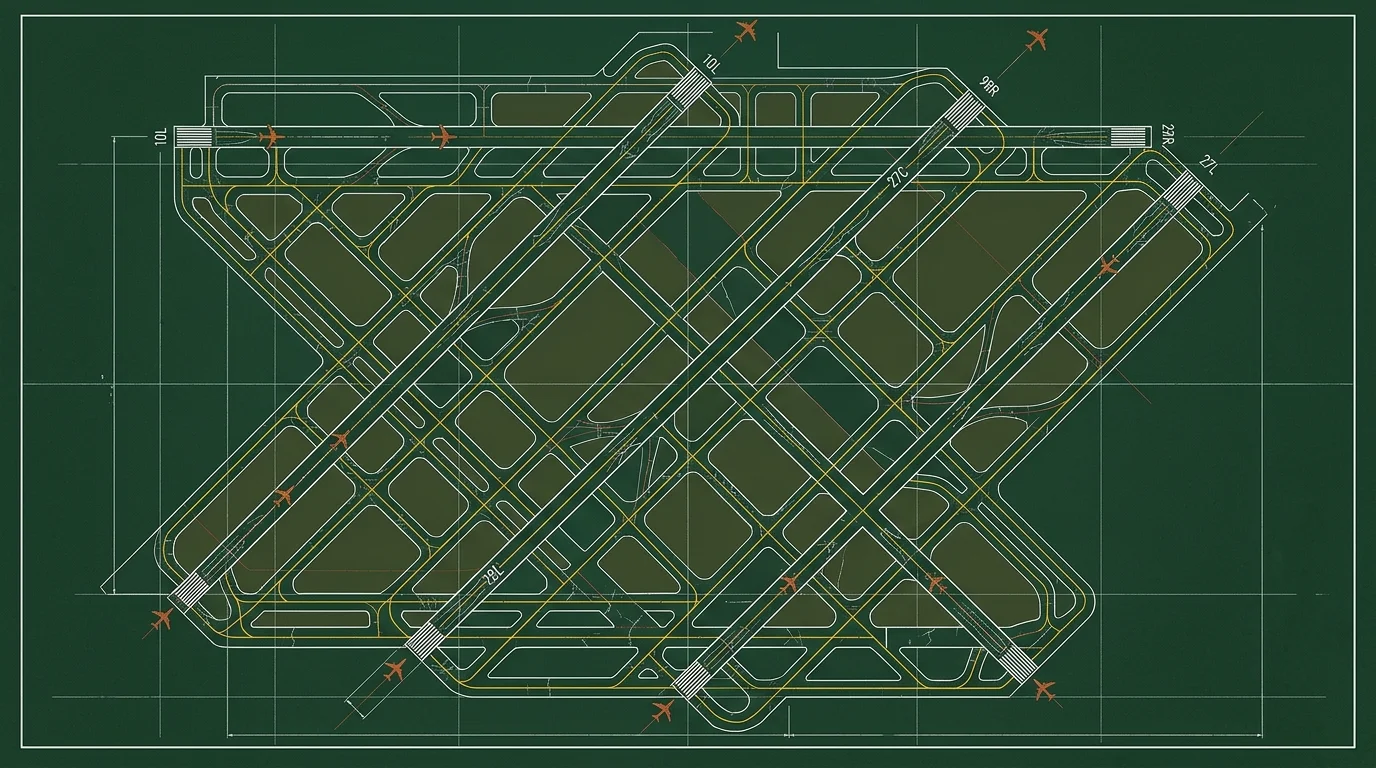
O'Hare is the kind of airport where a taxiway closure for concrete repairs ripples across the national air traffic system. It is United Airlines' largest hub and a major hub for American, and its six runways span more than 7,600 acres. Midway, far more constrained at 640 acres and five runways, is the home base of Southwest Airlines, which restructured its service there in 2023. Neither airport can afford extended downtime on any surface that aircraft or vehicles use.
The work itself demands specialized contractors. Crews must hold security clearances to operate on active airfields, coordinate repairs around flight schedules with air traffic control, and comply with FAA safety requirements that go well beyond standard road construction. Chicago's prevailing wage laws and the city's minority and women-owned business enterprise goals will also shape who ultimately wins the contract.
The airport fund operates independently of Chicago's general budget, drawing revenue from airline fees, passenger facility charges, and federal grants rather than property taxes, so the contract won't compete with the city's ongoing pension and budget pressures. The department typically structures this kind of work as an ongoing task-order arrangement, calling on the contractor as repair needs arise rather than funding a single defined project. With the solicitation posted May 14, the city is working to have a contractor in place before the next winter season begins.