Mifflinburg, Pennsylvania is moving to replace aging water infrastructure along Old Orchard Lane before it fails, in a roughly $1.8 million project that reflects a generational reckoning playing out in small towns across the country.
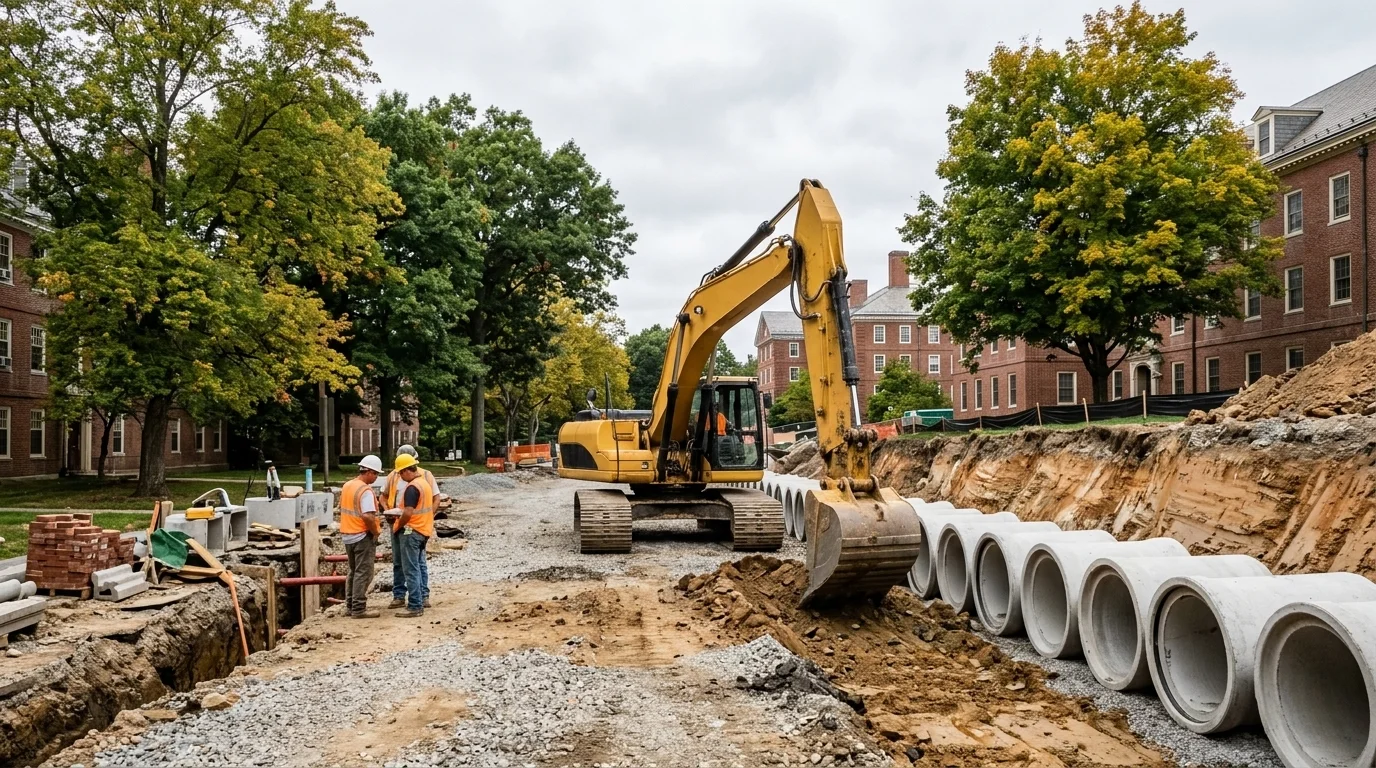
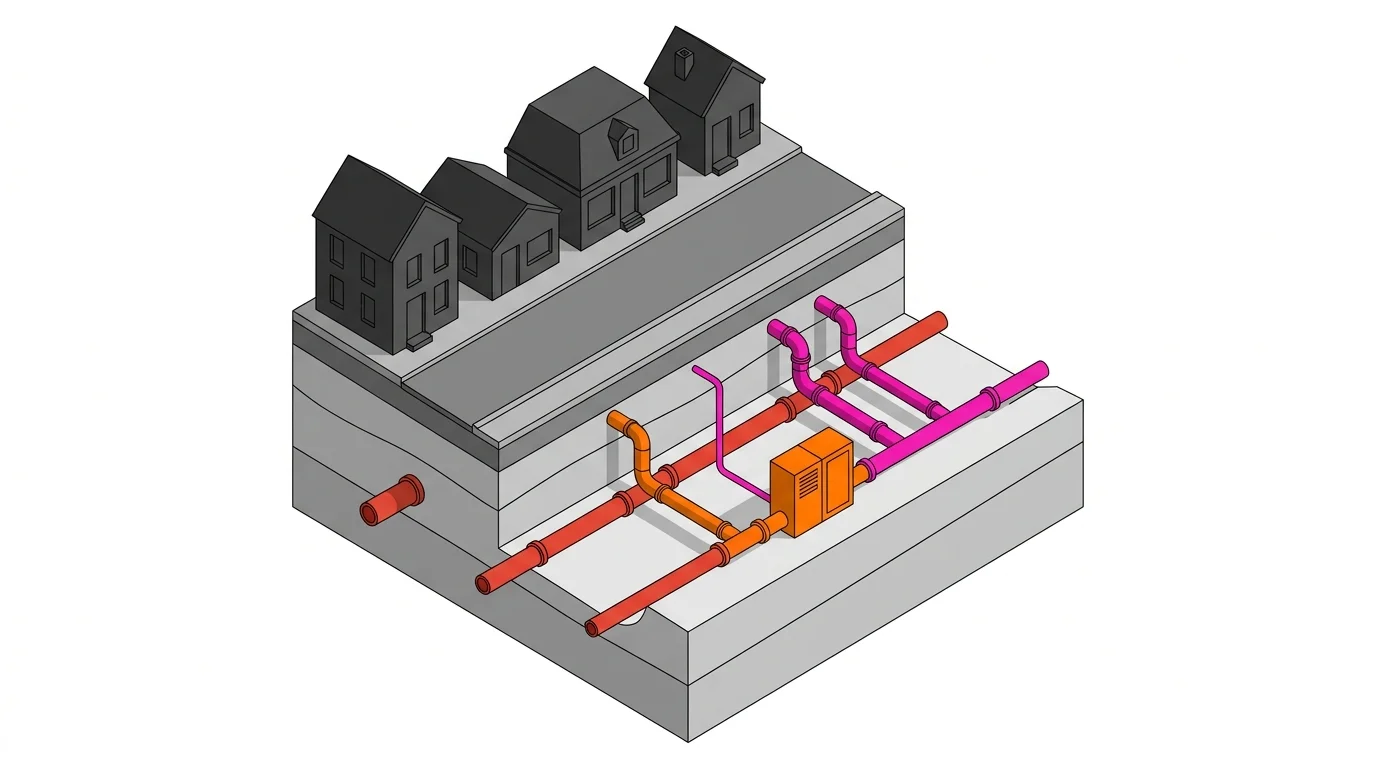
The borough, a historic community of about 3,500 in Union County's rural Susquehanna Valley, is replacing approximately 1,800 linear feet of water mains and installing a new booster pump station while tearing out the existing one. Booster stations are critical to maintaining adequate water pressure, especially in areas further from the main supply. When they fail, residents can face low pressure, backflow contamination risks, or compromised fire-fighting capacity.
Most of America's water pipes were built between the 1920s and 1970s, engineered for lifespans of 50 to 75 years. That means systems installed during the postwar boom are now well past their expected service life. The American Society of Civil Engineers has consistently graded U.S. drinking water infrastructure at C- or below, and Pennsylvania faces an estimated $23 billion in drinking water needs over the next 20 years, according to EPA assessments.
For a small borough like Mifflinburg, that math is daunting. Towns of 3,500 simply cannot generate enough water revenue to finance major capital improvements without outside help. Increased federal and state funding since the 2021 Bipartisan Infrastructure Law, which directed $55 billion toward water systems nationally, has helped communities like Mifflinburg move projects off the back burner. Pennsylvania channels much of that money through PENNVEST, the state's infrastructure financing authority, offering low-interest loans and grants to municipalities.
The borough purchased the new pump station equipment directly, rather than leaving it to a contractor, a move that likely reflects the constraints or advantages of a specific funding source. Construction will be handled by separate general and electrical contractors, as required under Pennsylvania's century-old Separations Act, which mandates that public projects split those scopes into distinct contracts.
As previously reported, this project has been in the works as the borough confronts infrastructure needs that can no longer wait. Contractors have until April 16 to submit bids through Pennsylvania's PennBid platform, after which the borough will move toward awarding the work.