Page, Arizona, a remote city of about 7,500 people on the edge of Lake Powell, is upgrading its water treatment plant with $456,000 in federal funding, a small but significant investment for a community that has watched its primary water source shrink dramatically in recent years.
The money flows from the 2023 Consolidated Appropriations Act as a congressionally directed earmark, meaning a member of Arizona's congressional delegation specifically requested the funds for Page. The EPA is administering the grant, which covers water treatment plant improvements and pump station upgrades designed to boost the system's capacity and reliability.
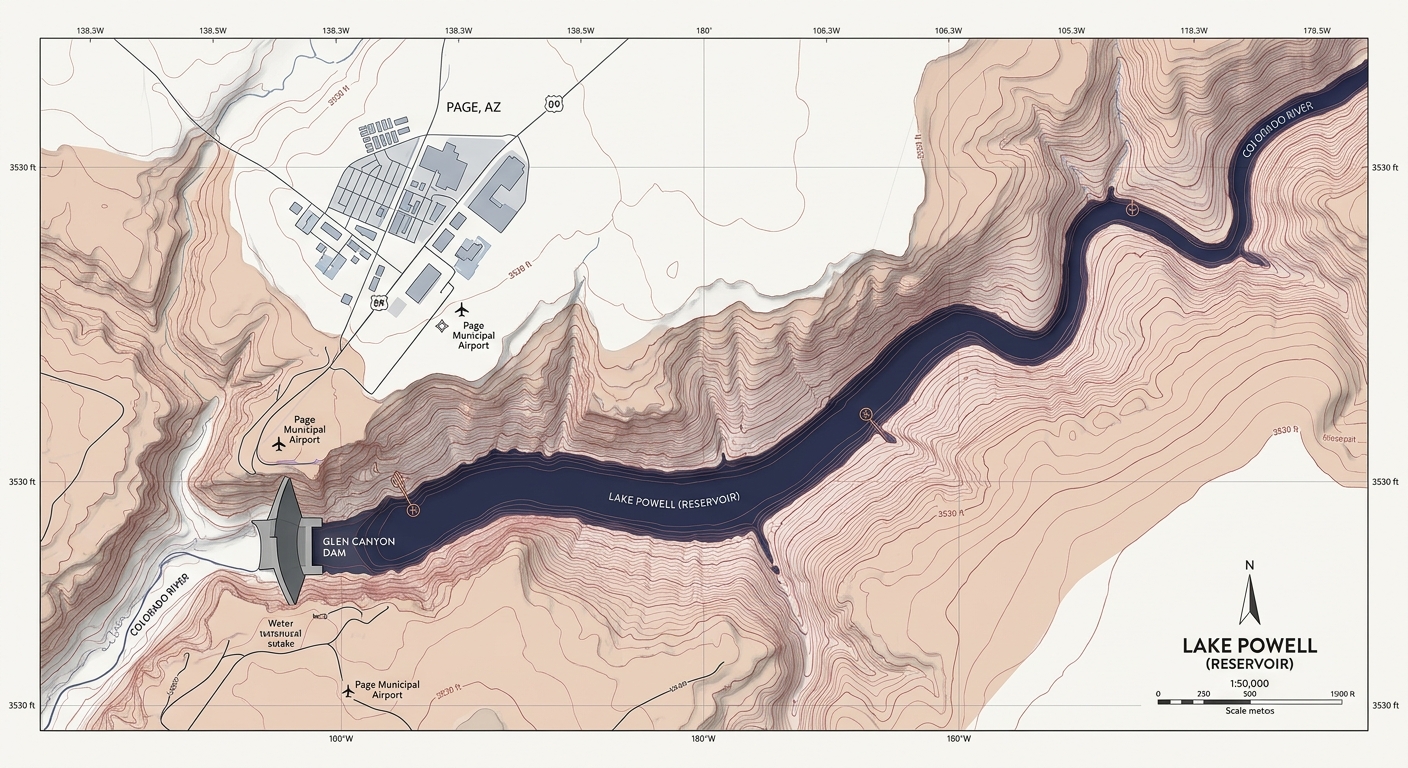
The stakes for Page are unusually high. The city, originally built in the 1950s to house workers constructing Glen Canyon Dam, draws its drinking water directly from Lake Powell, the very reservoir the dam created. By 2022, Lake Powell had dropped to roughly 24% of capacity, its lowest level since the reservoir was first filled, raising real concerns about whether the city's intake infrastructure could stay submerged. A series of wet winters has temporarily stabilized lake levels, but long-term projections for the Colorado River Basin remain uncertain.
Page's financial position makes federal help essentially unavoidable for a project like this. The 2019 closure of the Navajo Generating Station, a coal plant that anchored the local economy for decades, gutted the city's tax base. With a small population and limited revenue, Page fits a pattern common across rural America: communities that need major water infrastructure work but can't finance it without outside assistance. The EPA estimates the country needs $625 billion in water infrastructure investment over the next 20 years, and small, remote towns routinely struggle to compete for the biggest federal water programs.
The grant was posted in April 2026, more than three years after the appropriation was signed, reflecting the long administrative timeline between congressional action and construction. As work proceeds, the city will submit construction reports and final certifications to the EPA. Whether the upgrades are part of a larger, phased improvement plan for the plant has not been specified in the available records.