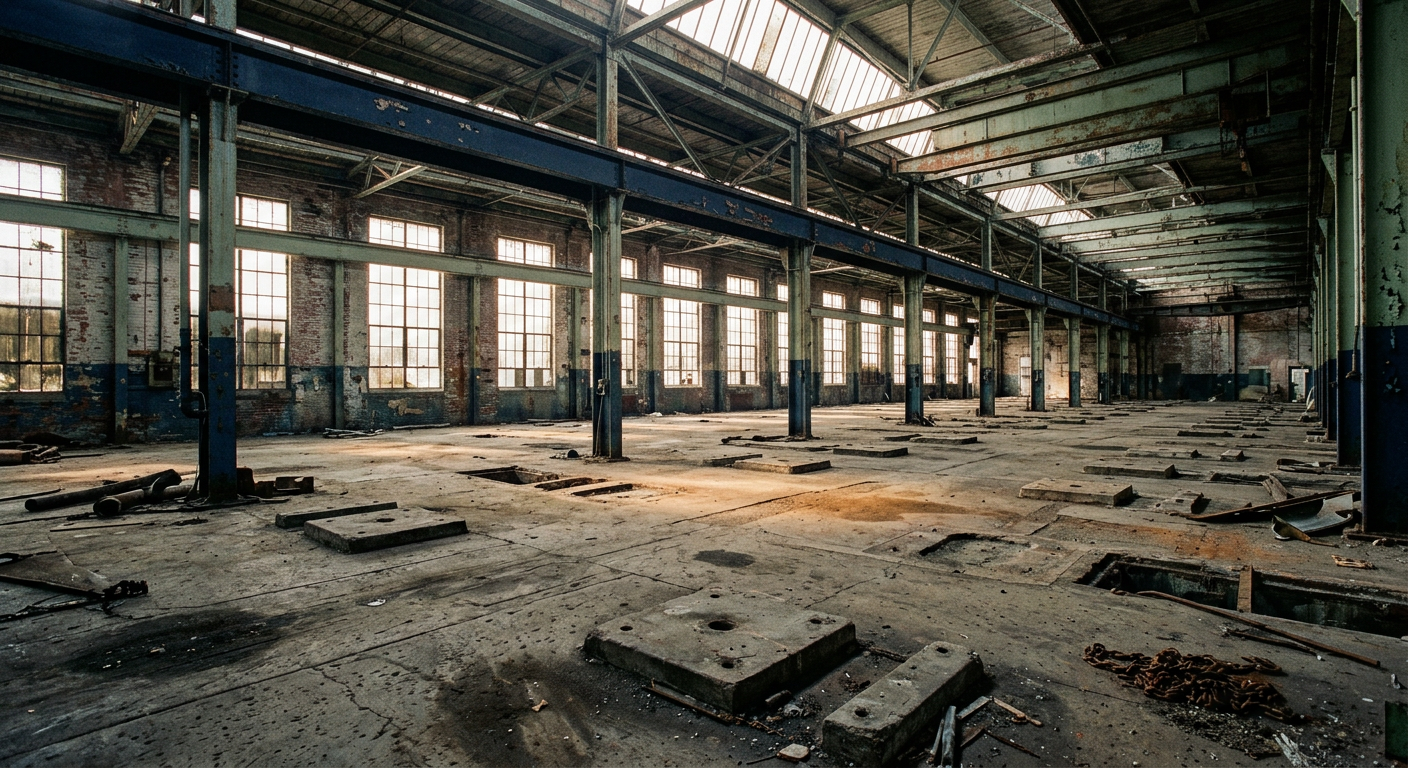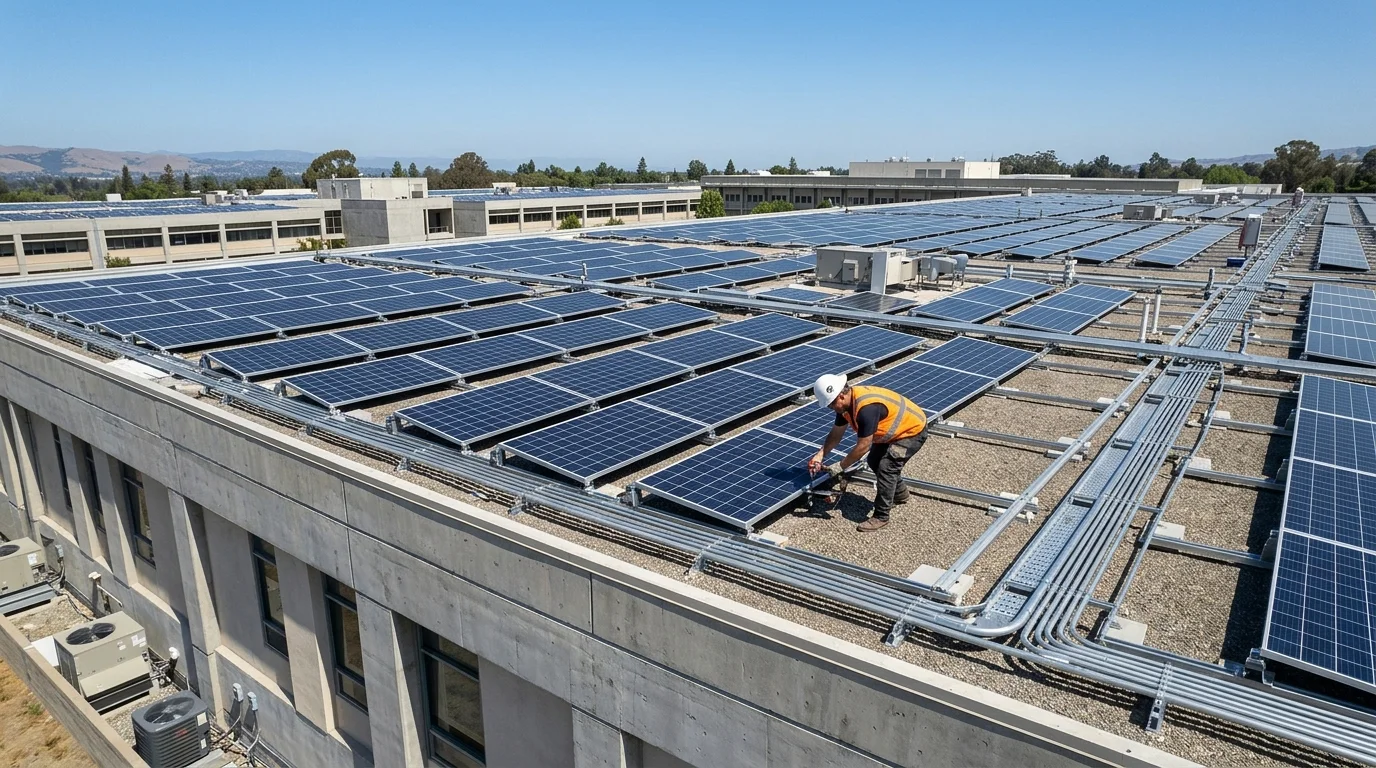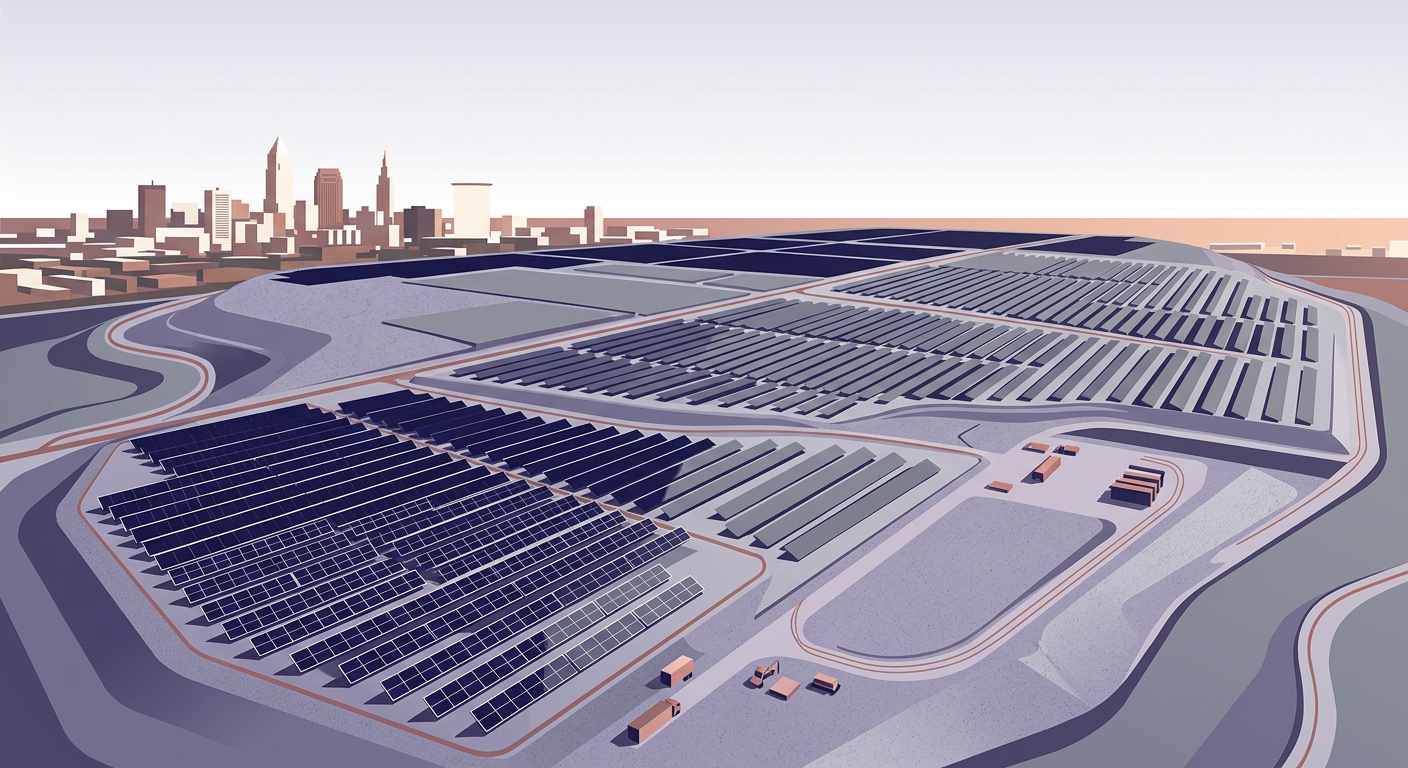
Two former landfills in Cleveland, Ohio that have sat contaminated and unusable for decades are being converted into solar farms capable of powering roughly 1,500 homes.
The city is seeking a contractor to build 10 megawatts of solar panels across the Kolthoff and Bradbury/West 11th landfill sites, both closed since the 1980s. The contaminated soil makes traditional development impossible, but solar panels don't penetrate the ground and can sit safely on top of landfill caps.
It's a strategy called brownfield-to-brightfield that has accelerated nationwide since the EPA began actively promoting renewable energy on contaminated sites in 2015. Over 350 such projects now operate across the country, turning environmental liabilities into assets. Former landfills work particularly well because they're already cleared, avoiding farmland or forest conversion, and their remote locations mean no residents to displace.
Cleveland committed to 100% renewable electricity by 2050 in its 2018 climate plan, but the city needed cheap land. These abandoned landfills solved that problem. The larger Kolthoff site will hold about 7 megawatts of capacity, with the remaining 3 megawatts at Bradbury/West 11th.
The project is locally funded rather than dependent on federal grants, though it likely benefits from federal solar tax credits that run through 2034. Cleveland completed a smaller 1.3-megawatt solar array on another contaminated site in 2023.
The city held a pre-proposal meeting in March and posted the solicitation last week. Construction timelines weren't specified in the public documents.