The Port of Oakland is looking for a private partner to redevelop a stretch of underused waterfront cargo land at Berth 24, a move that could reshape how one of the West Coast's busiest shipping hubs thinks about its own real estate.
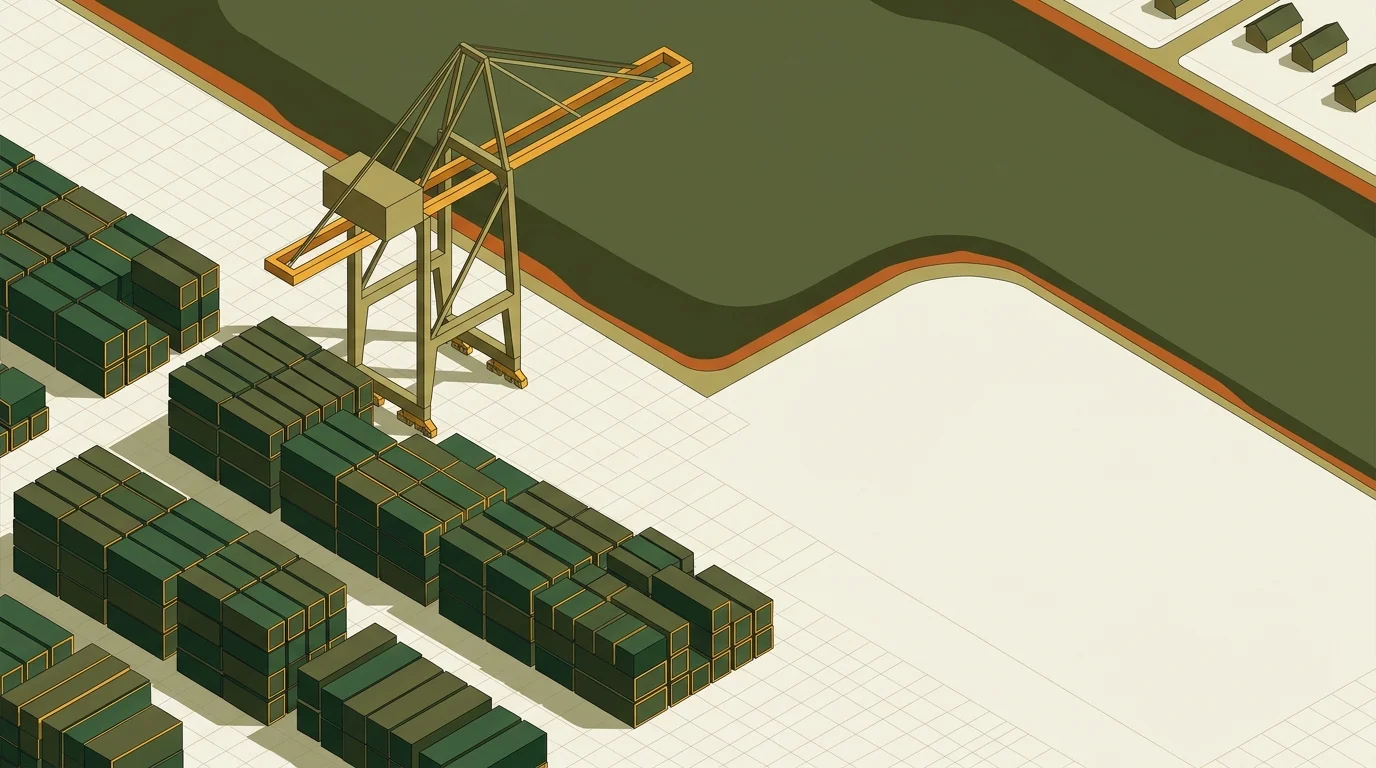
The port posted the Berth 24 Backlands Redevelopment Project solicitation on June 22, inviting developers to propose what comes next for the backlands area behind the berth. These upland zones, historically used to stage containers and store chassis, have grown less efficient as modern megaships concentrate cargo activity at fewer, deeper-water berths with newer crane infrastructure.
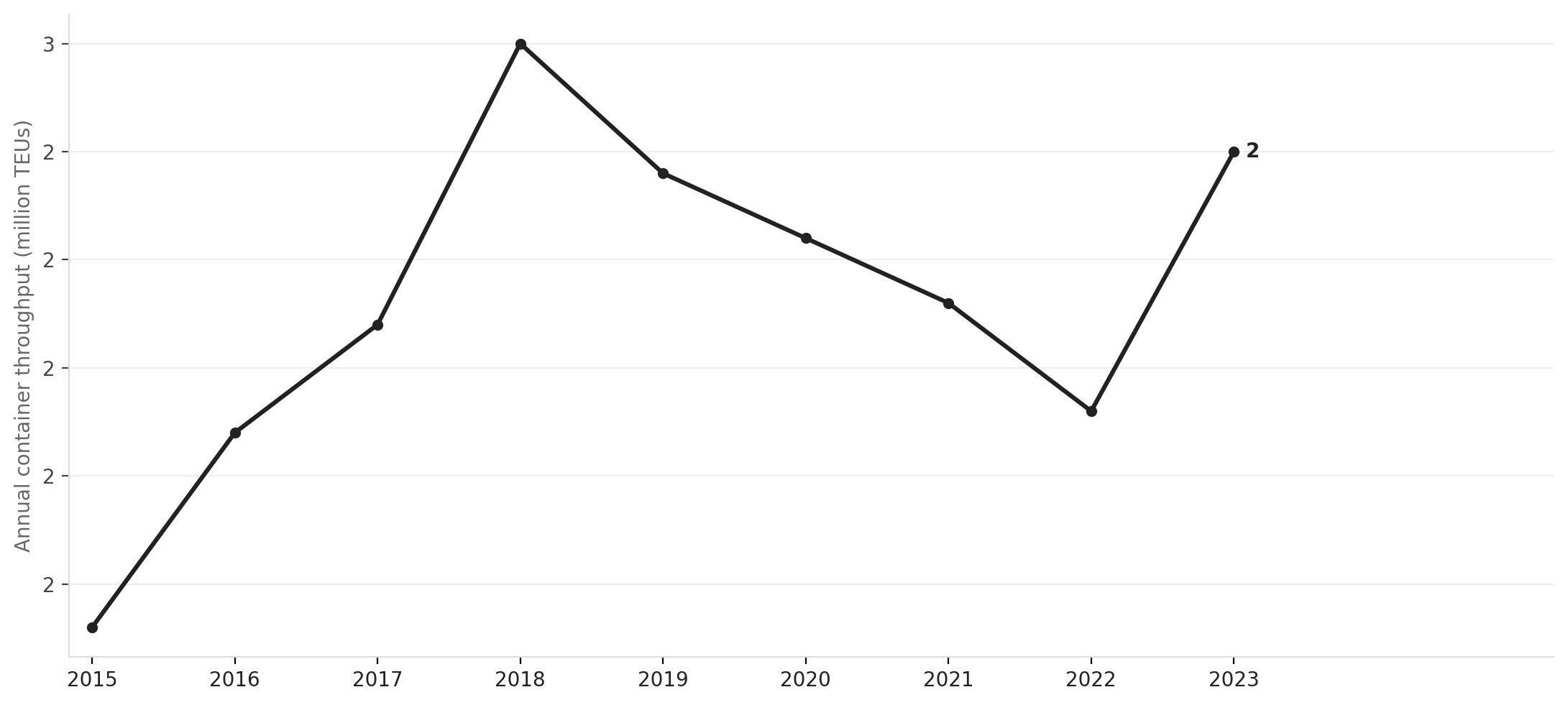
The announcement comes as the port navigates real competitive pressure. Oakland handled roughly 2.5 million TEUs in 2023, down from its peak, as some shipping lines shifted cargo to Gulf and East Coast ports following the supply chain disruptions of 2021 and 2022. Diversifying what port land is used for has become a strategy at legacy port authorities across the country, from Brooklyn to Seattle.
In Oakland, any decision about port land carries heavy political weight. The clearest illustration was the Oakland Athletics' years-long push to build a ballpark at the nearby Howard Terminal site, a proposal that fractured the city before the team ultimately left for Sacramento and then Las Vegas. The ILWU, organized labor, environmental advocates, and maritime businesses spent years debating whether port-adjacent land should serve shipping or become an entertainment district. That fight ended without resolution, and the Berth 24 project is in some ways the port's own answer: redevelopment on its terms, without waiting for an outside owner to drive the agenda.
What form that redevelopment takes is still an open question. The port's Board of Port Commissioners, appointed by the Oakland City Council, will ultimately approve any deal, which means the project will face scrutiny on multiple fronts. West Oakland residents, who live alongside diesel truck routes and shipping emissions, have long pushed the port toward cleaner operations and community benefits. Labor unions will watch closely for any sign that a project could reduce longshore work. The port's own Zero Emissions Seaport program has made clean-air commitments that any new development would need to fit within.
Oakland is a city of about 430,000 people grappling with a $200 million-plus budget deficit, making the port, which operates independently, one of the city's most significant economic assets. How the port chooses to use this particular piece of land will signal whether it sees its future as purely a working harbor or something more expansive.