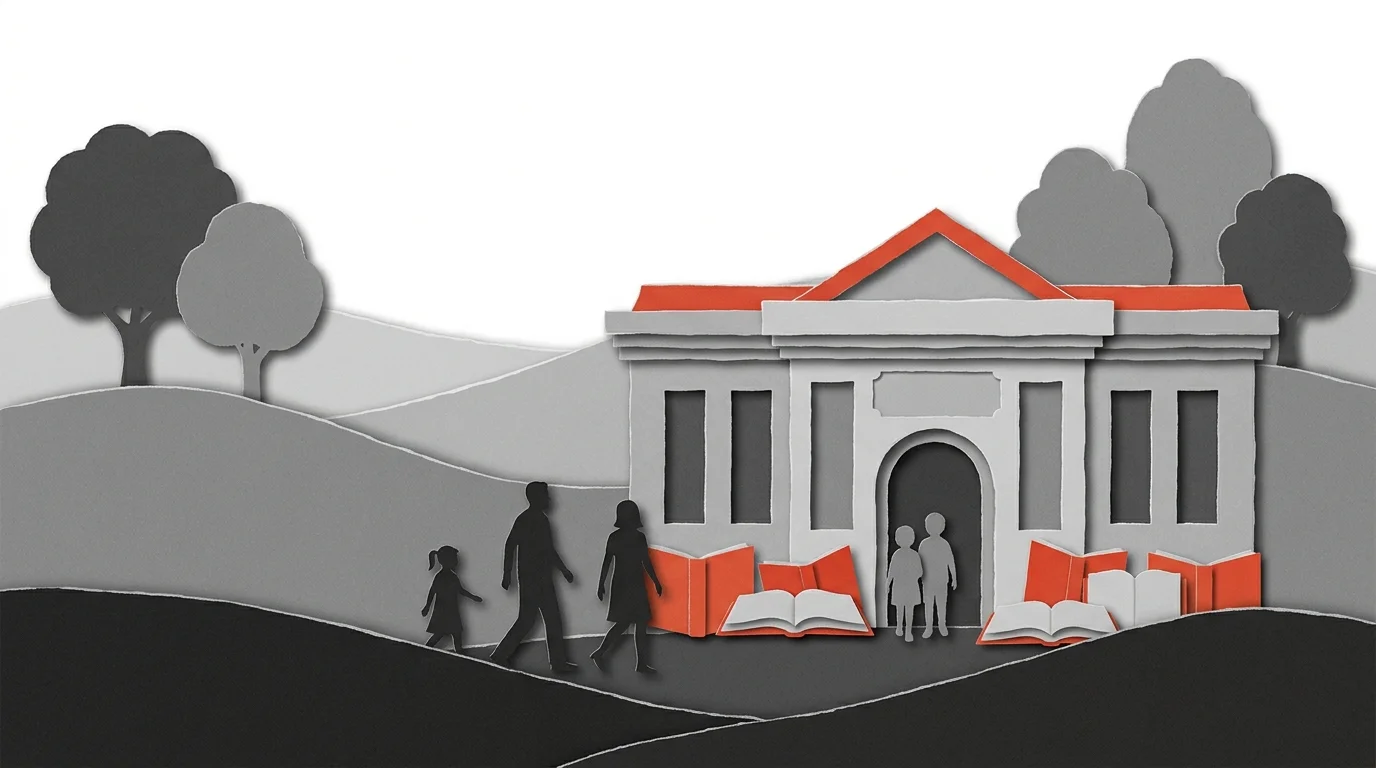
Somewhere in Georgia, a community is getting a new public library, and the name on the building tells at least part of the story.
A local government entity in Georgia is moving forward with construction of the Collins P. Lee Memorial Library, a new public facility whose name honors a figure of apparent local significance. The project, posted through Georgia's Department of Administrative Services procurement system in early May, is now entering the contractor selection phase.
The specific county or municipality behind the project isn't identified in publicly available procurement records, and key details including the total budget and construction timeline are contained in bid documents not yet publicly summarized. What is clear is that this is a ground-up construction project, not a renovation, suggesting a meaningful capital commitment by whatever local government is sponsoring it.
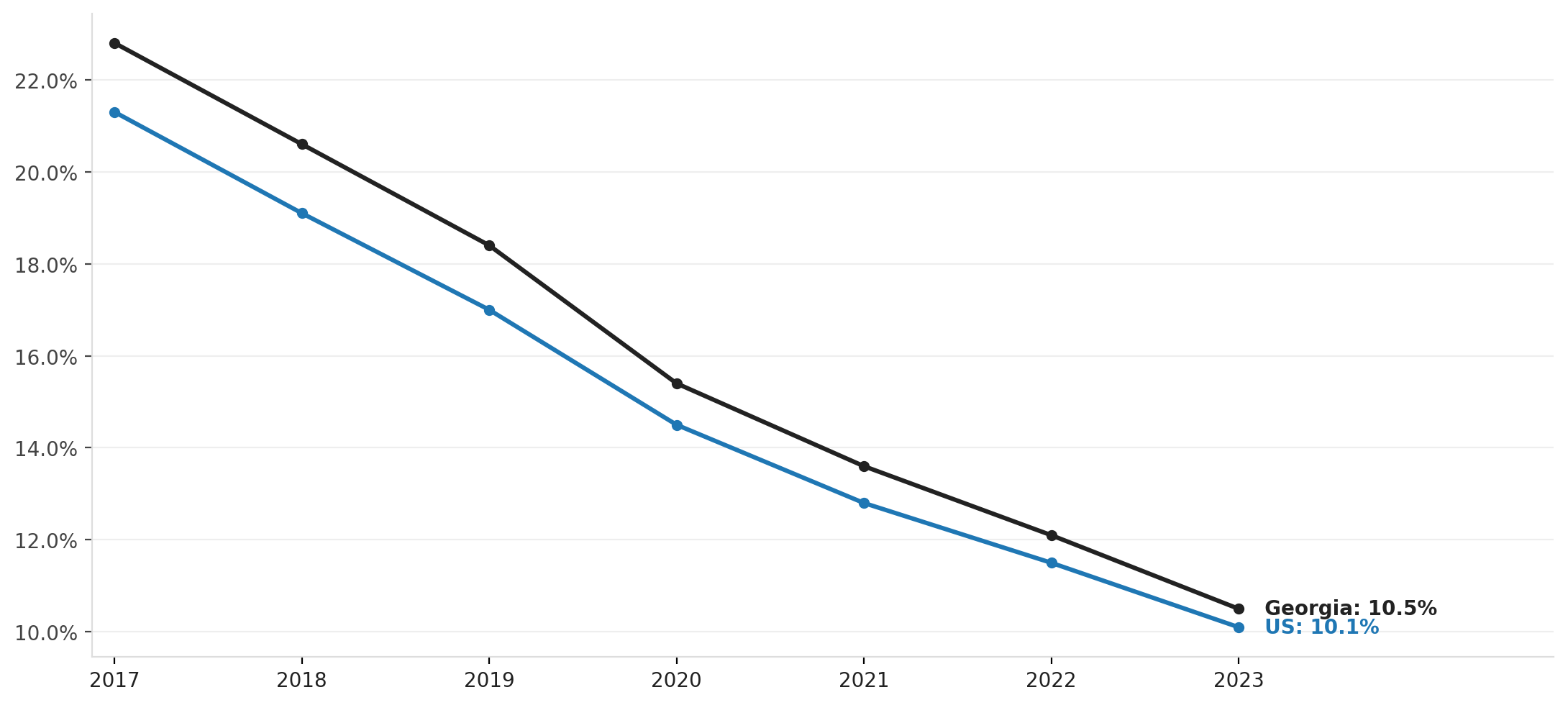
Source: U.S. Census Bureau, American Community Survey.
In rural Georgia, a new library is rarely just a library. Nearly one in five Georgia households lacked home internet access as recently as 2019, according to state and federal survey data, making public libraries among the few reliable places residents can get online for job applications, telehealth appointments, and school assignments. Georgia's 63 library systems serve all 159 counties, but funding has been a persistent legislative debate, with state formulas that advocates say haven't kept pace with population needs.
The memorial designation adds another layer to this story. Libraries named for individuals often reflect years of community organizing, private fundraising, or the legacy of a donor or civic leader whose impact the community wants to preserve in brick and mortar. Who Collins P. Lee was and why a library will carry that name remains an open question from available records, but the answer likely holds the emotional core of why this project came together.
As contractor bids are evaluated in the coming weeks, more details about the project's scope, funding sources, and timeline are expected to become public through the state procurement process.