Eugene Airport, the main air hub for Oregon's second-largest metro area, is getting $5 million in federal funding to begin expanding a terminal that has struggled to keep pace with rising passenger demand.
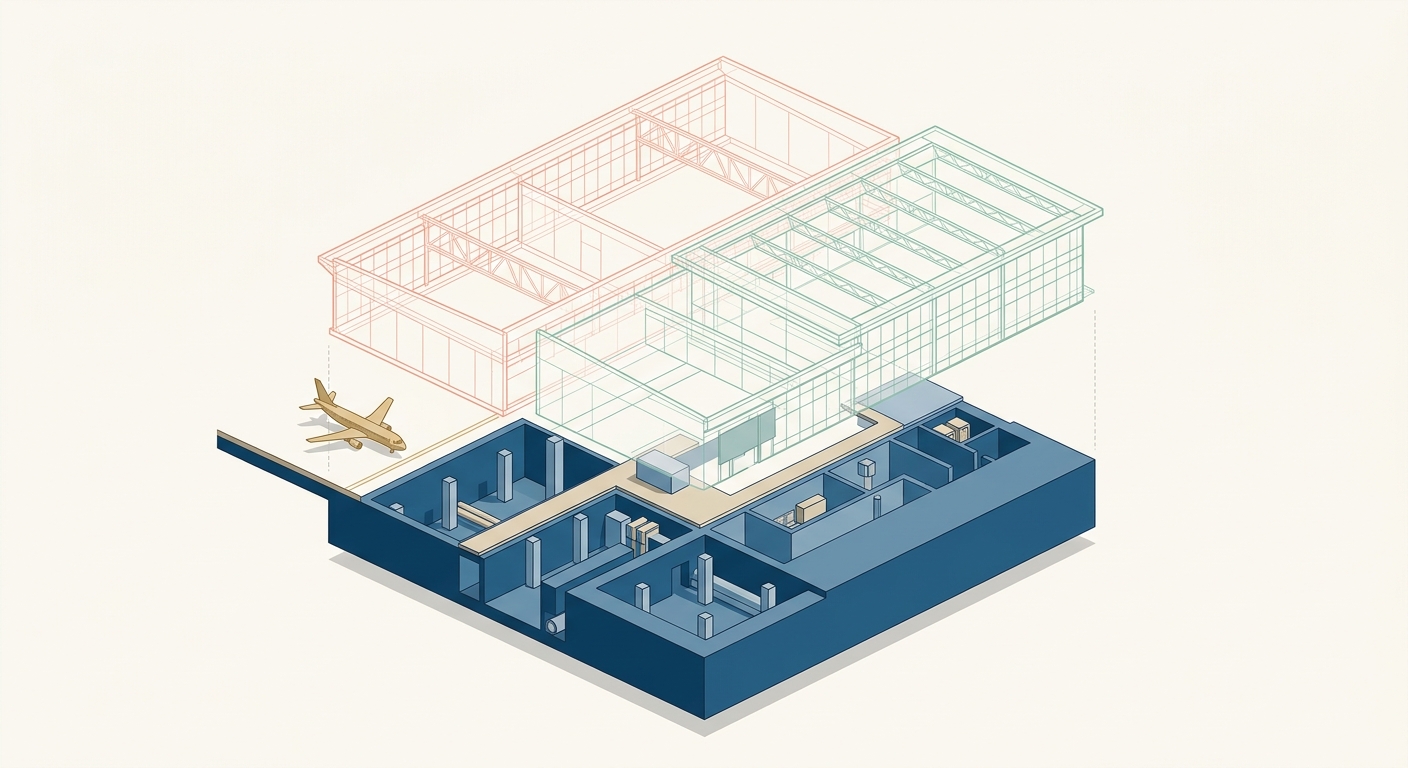
The grant, awarded through the FAA's Airport Terminal Program, will add nearly 10,000 square feet to the existing terminal at Mahlon Sweet Field, known locally as EUG. The expansion is designed to reduce crowding during peak travel periods, add gate waiting space, and allow the airport to accommodate larger aircraft — a change that could open the door to new routes and airlines that the current facility can't support.
The airport serves Lane County's roughly 380,000 residents and handles traffic from the University of Oregon, whose students, faculty, and sports programs generate steady travel demand. EUG handled close to a million passengers annually before the pandemic and has seen strong growth since, boosted by expanded service from carriers including Alaska Airlines, Allegiant, and United. New nonstop routes to Los Angeles, Phoenix, and other western cities have added to the pressure on a terminal that dates to an era of far smaller planes and far fewer travelers.
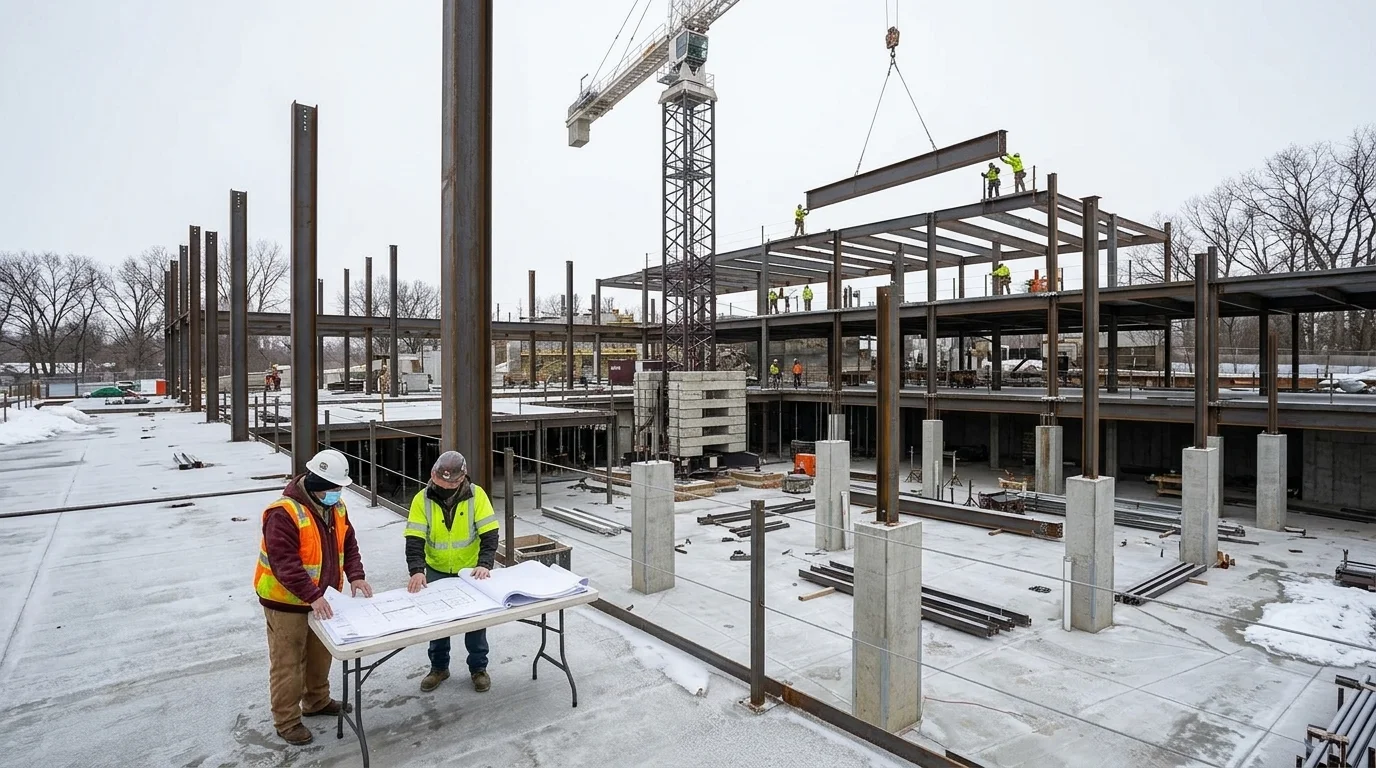
The $5 million covers Phase 1 only: the substructure, demolition, site preparation, and an ADA accessibility lift required under federal law. It's the foundation of a larger project, not the finished product. What subsequent phases look like — and how they'll be funded — remains an open question.
The funding comes from the Bipartisan Infrastructure Law, which in 2021 created the first-ever federal program dedicated exclusively to airport terminal construction. Before that, federal airport grants were largely limited to runways and safety systems, leaving terminals to be funded through local bonds and airline fees. Smaller airports like Eugene, which lack the revenue base of major hubs, benefited most from the change.
The City of Eugene owns and operates the airport. With Phase 1 now funded, the city will need to map out how — and when — the rest of the expansion gets built.