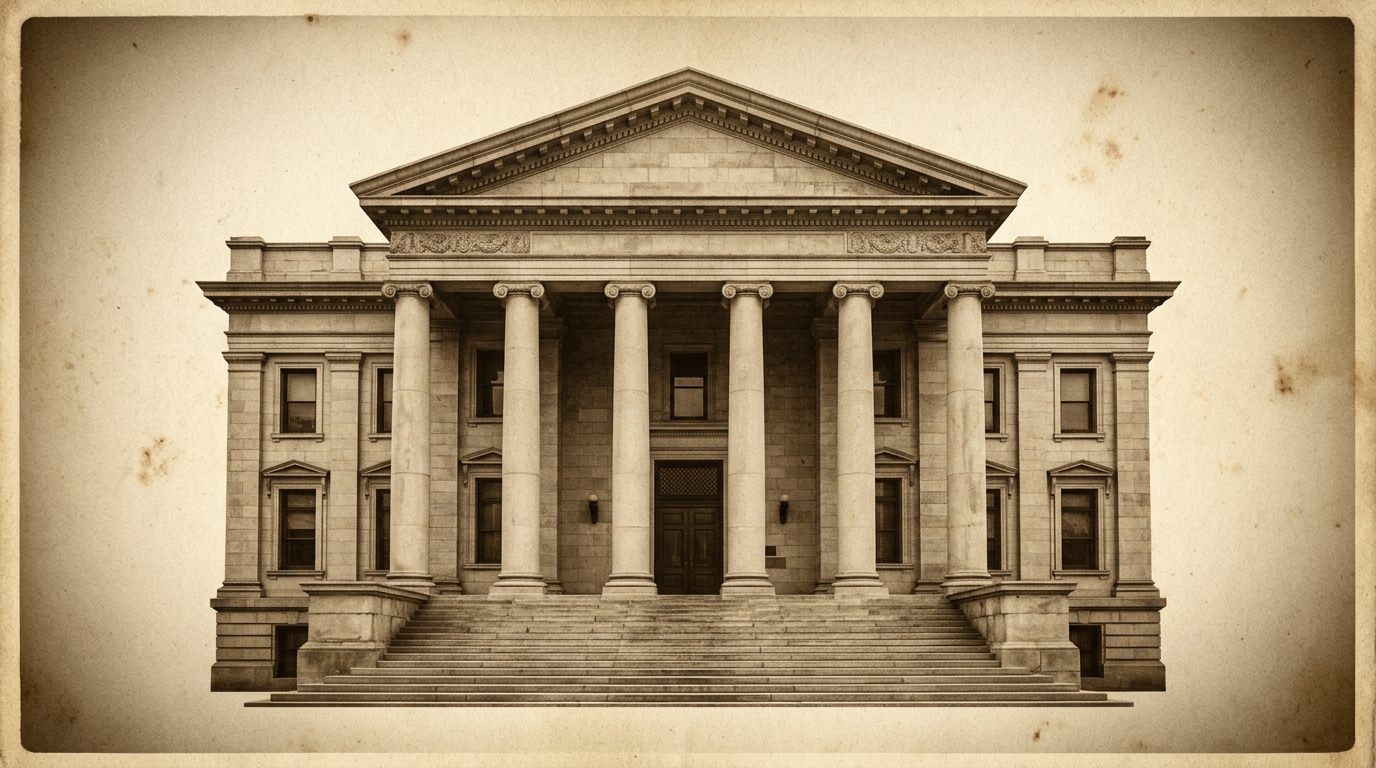
The historic courthouse in Carthage, North Carolina has anchored Moore County government for more than a century. Now the county is moving to renovate the aging building, hiring an architect to tackle a project that will require threading a needle between historic preservation and the practical demands of a modern court system.
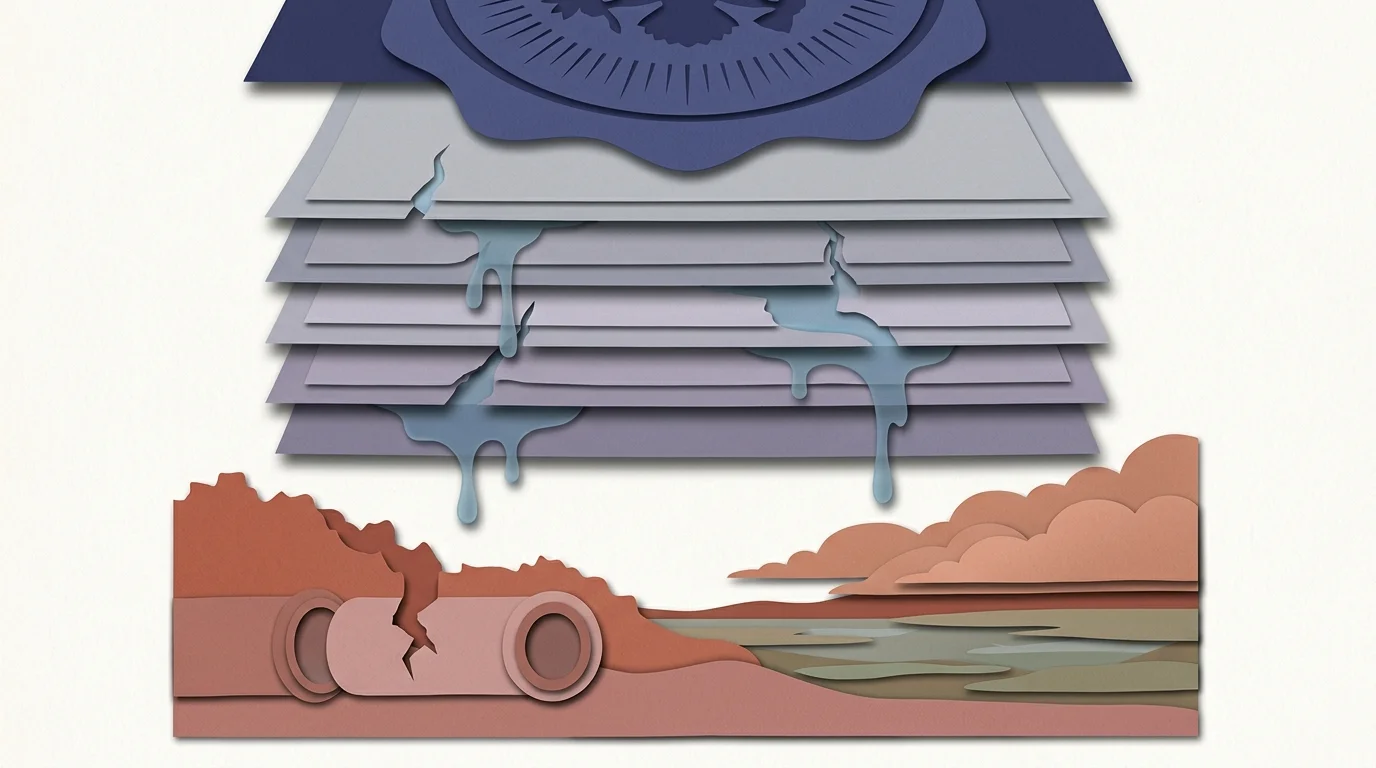
The courthouse, an early 20th-century landmark in the county seat of Carthage, faces the same compounding pressures that have pushed aging courthouses across North Carolina toward major overhauls: outdated heating and electrical systems nearing the end of their useful lives, accessibility requirements under the Americans with Disabilities Act, tighter security standards for court facilities, and growing caseloads that strain space built for a much smaller county.
Moore County has grown substantially in recent years, driven by retirees drawn to the Pinehurst golf resort area, military families connected to nearby Fort Liberty, and broader Sun Belt migration. The county's population now sits around 100,000 to 105,000, up significantly from previous decades, and that growth has put pressure on public facilities across the board, from schools to water infrastructure.
The renovation is also technically complex because of the courthouse's historic character. If the county pursues state or federal historic tax credits or preservation grants, the project will need to comply with the Secretary of the Interior's Standards for the Treatment of Historic Properties, which govern how historic buildings can be altered. That means any architect hired will need specialized preservation experience, not just general renovation expertise. The building is listed or eligible for listing on the National Register of Historic Places, which opens potential funding doors but adds regulatory layers.
One significant unknown remains: Moore County has not disclosed the renovation budget. The full scope and cost of the work are not yet public, which means residents and county taxpayers don't yet know what they're being asked to fund. Courthouse renovations in North Carolina have a history of generating debate over costs and scope, and Moore County's politically conservative electorate has traditionally scrutinized major public expenditures closely.
The county is currently seeking qualified architectural firms through a qualifications-based selection process required under North Carolina law, where firms are ranked on experience and expertise rather than price. Once a firm is chosen, the county will negotiate a fee and begin developing a fuller picture of what the renovation will actually cost.
For the roughly 2,500 residents of Carthage and the county employees and court staff who use the building daily, the timeline for construction and the scope of disruption remain open questions until an architect is on board and a design takes shape.